How to Block Knitwear: Wet Blocking vs Steam Blocking for Scarves

How to Block Knitwear: Wet Blocking vs Steam Blocking for Scarves
Blocking is the process of shaping a knitted item to its intended dimensions after washing. It corrects uneven stitches, opens lace patterns, and restores scarves that have stretched or shrunk unevenly.
1. Wet Blocking — Best for Most Knitted Scarves
- Step 1: Hand wash scarf in cool water with wool detergent.
- Step 2: Gently press out excess water (don't wring). Roll in towel.
- Step 3: Lay scarf flat on blocking mats or clean towels.
- Step 4: Pin to desired dimensions using rust-proof T-pins.
- Step 5: Allow to dry completely (12–24 hours).
2. Steam Blocking — Best for Acrylic and Synthetic Scarves
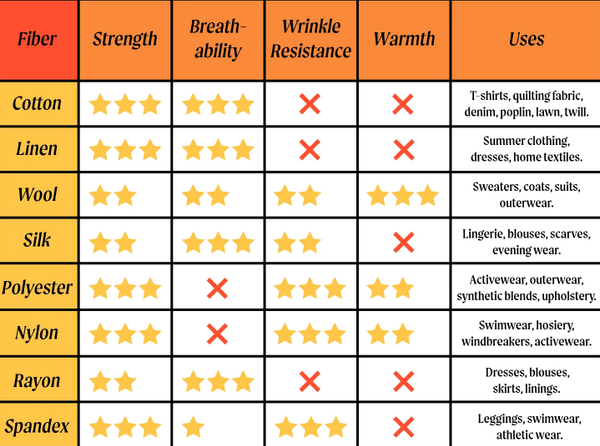
Acrylic and polyester don't respond to wet blocking. Steam blocking uses heat to relax the fibers and set the shape.
- Step 1: Pin the dry scarf to blocking mats.
- Step 2: Hold a steamer 5–10cm above the fabric.
- Step 3: Steam evenly without touching the scarf.
- Step 4: Allow to cool completely before removing pins.
3. When to Block Your Scarf
- After every wash (to restore shape)
- When scarf has stretched unevenly from hanging
- After repairing a hole or dropped stitches
- For lace scarves — wet blocking opens the pattern
4. Blocking Supplies You'll Need
- Blocking mats (interlocking foam mats)
- Rust-proof T-pins or blocking wires
- Measuring tape (to verify dimensions)
- Spray bottle (for re-wetting dry areas)
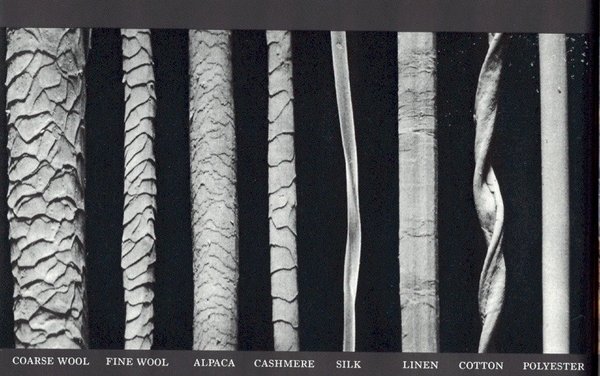
⚠️ Important: Never block cashmere or wool with heat alone — use wet blocking. Heat can felt and shrink protein fibers.
Need sourcing specs for dimensionally stable knitted scarves? → Contact Weave Essence sourcing desk