Scarf Fiber Warmth-to-Weight Ratio: Cashmere vs. Merino vs. Alpaca vs. Acrylic

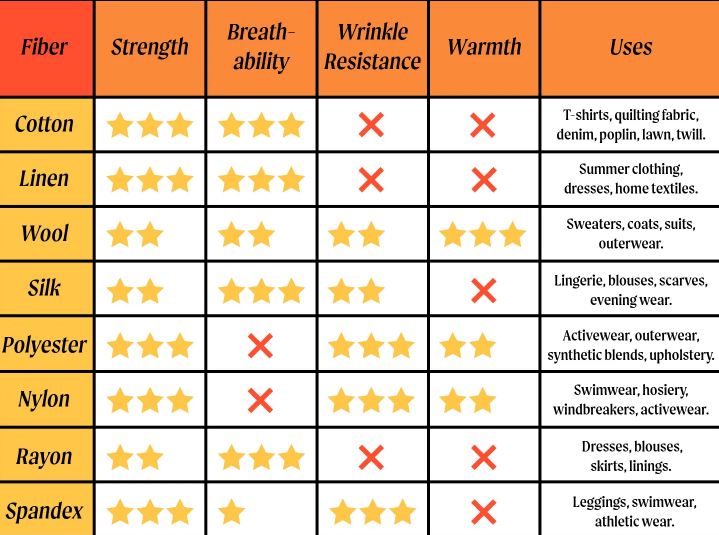
Scarf Fiber Warmth-to-Weight Ratio: Cashmere, Merino, Alpaca, and Acrylic Compared
Introduction
Warmth is the primary functional promise of any winter scarf. Yet "warmth" is rarely defined in measurable terms when fibers are compared. A scarf is not warm in the abstract. It is warm at a given weight, at a given thickness, under given environmental conditions. The fiber that generates the most insulation per gram is not necessarily the fiber that feels warmest around your neck.
This article compares six scarf fibers on a single metric: warmth-to-weight ratio. It covers the physics of why each fiber insulates the way it does, provides reference data where published measurements exist, and explains when raw insulation values diverge from real-world wearing experience.
For a broader view of how fiber properties translate into finished scarf performance, see our Knitting Basics guide, which covers yarn construction and fabric structure as mediating variables between raw fiber and final product.
What "Warmth" Means in Textile Physics
Textile insulation is measured in two primary ways. The first is thermal conductivity, expressed as the rate of heat transfer through a material. Lower conductivity means better insulation. The second, more practical for garment comparison, is the CLO value. One CLO is defined as the insulation required to keep a resting adult comfortable at 21°C with normal air movement. A business suit provides approximately 1 CLO.
For scarves, published CLO values are sparse because the metric depends heavily on fabric construction, not just fiber type. A loosely knitted cashmere scarf has a lower CLO than a densely knitted wool scarf of the same fiber, because trapped air is the primary insulator, not the fiber itself. The fiber's role is to create and hold air pockets. The metric that matters is how much air a given fiber weight can trap, and how effectively it retains that air under compression and wind.
This is why warmth comparisons must be made on a weight-equivalent basis. A 200-gram cashmere scarf will almost always be warmer than a 200-gram merino scarf of equivalent construction. A 200-gram alpaca scarf will be warmer still. But a 400-gram merino scarf can easily outperform a 200-gram cashmere scarf. Total warmth is a function of fiber type, fabric density, and total scarf weight. The warmth-to-weight ratio isolates fiber type, holding the other variables constant.

Cashmere
Fiber diameter: 14–19 microns
Relative warmth-to-weight: High (roughly 3–8x merino wool, depending on grade)
Cashmere achieves its warmth advantage through two mechanisms. First, fiber fineness: at 14–19 microns, cashmere packs more individual fibers per unit weight than coarser materials. More fibers create more surfaces to trap air. Second, the natural crimp of cashmere fiber creates a three-dimensional loft structure that resists compression, maintaining air pockets under the weight of the fabric itself.
The commonly cited claim that cashmere is "seven to eight times warmer than merino wool" originated in marketing materials and has been widely repeated. The claim is directional rather than precise. Published thermal conductivity measurements suggest cashmere is approximately 3–5x more insulative than merino on a strict weight-equivalent basis, with the multiplier increasing as fiber grade improves. Grade A cashmere (14–15.5 microns) sits at the upper end of this range. Grade C (18–19 microns) sits at the lower end.
The trade-off is durability. Cashmere's short fiber length (28–42mm) and fine diameter make it susceptible to pilling and abrasion. A cashmere scarf worn daily through a winter season will show wear faster than a merino equivalent. Our Pilling Guide details the relationship between fiber length, yarn twist, and surface degradation.
Alpaca
Fiber diameter: 18–30 microns (baby alpaca: 18–22 microns)
Relative warmth-to-weight: Highest among common scarf fibers
Alpaca fiber contains a structural feature that no other common scarf fiber shares: a partially hollow core, known in textile science as medullation. The hollow channel runs longitudinally through the fiber, creating an internal air pocket that adds insulation without adding weight. Cashmere and wool fibers are solid. An alpaca fiber of identical diameter to a cashmere fiber will be lighter, because part of its cross-section is air.
The International Alpaca Association reports that alpaca is up to 30% warmer than merino wool of comparable weight. Independent comparisons between alpaca and cashmere are less frequently published, but the hollow-core physics strongly suggests alpaca holds the warmth-to-weight crown. Baby alpaca (first shearing, under 22 microns) combines this thermal advantage with a softness approaching cashmere.
The trade-off is hand feel at the coarser end. Standard alpaca (25–30 microns) can feel rougher than cashmere of identical diameter because alpaca scale structure, while smoother than sheep's wool, is less smooth than cashmere's. For skin-contact scarves, baby alpaca or alpaca-cashmere blends offer the best compromise between insulation and comfort.

Merino Wool
Fiber diameter: 17–24 microns (superfine: under 18 microns)
Relative warmth-to-weight: Moderate (baseline for comparison)
Merino wool is the baseline against which other scarf fibers are measured, not because it is the warmest, but because it occupies the broadest middle ground of performance, price, and availability. Merino's insulation mechanism is standard for animal fibers: crimped protein fibers trap air in the spaces between them. The natural crimp creates loft, and the fiber's hydrophilic core absorbs moisture vapor without feeling wet, maintaining insulation in humid conditions.
Merino's defining advantage over cashmere is not warmth but durability and moisture management. Longer fiber length (50–120mm vs. cashmere's 28–42mm) anchors yarn structure more securely, reducing pilling. Higher tensile strength resists breakage. And merino's moisture absorption capacity buffers humidity changes that degrade the insulation of synthetic alternatives.
For scarves intended for active use in variable conditions, merino often outperforms cashmere in practice, even though cashmere wins on the strict warmth-to-weight metric. For guidance on how fabric structure interacts with fiber choice, see our Knit Structures Guide.
Mohair
Fiber diameter: 25–40 microns
Relative warmth-to-weight: Moderate-high
Mohair is the outlier in the animal fiber family. Its scale structure is flatter than wool, producing high luster. Its fiber length is extraordinary for a specialty fiber (120–150mm on average), giving mohair yarns a characteristic long, fluffy halo when brushed. This halo traps a significant volume of air, producing insulation that belies mohair's relatively coarse diameter.
The trade-off is itch. At 25–40 microns, mohair exceeds the tactile comfort threshold for most people when worn directly against skin. Mohair scarves are typically worn over collars or as outer layers, not against bare skin. Mohair is also the strongest animal fiber in this comparison, with a tensile strength that exceeds wool and dramatically exceeds cashmere.
Lambswool
Fiber diameter: 20–25 microns
Relative warmth-to-weight: Moderate
Lambswool is the first shearing from a sheep at approximately seven months of age. It is finer and softer than wool from adult sheep, falling into a category between standard wool and merino. Its warmth-to-weight ratio is comparable to merino at the fine end of its range and standard wool at the coarser end.
Lambswool is the most economical animal fiber that still provides genuine insulation and acceptable skin comfort. It is widely used in mid-tier scarves and is frequently blended with acrylic to balance cost and performance. For more on fiber blending economics, see our Acrylic vs. Wool Cost Guide.
Acrylic
Fiber diameter: Variable (engineered)
Relative warmth-to-weight: Low
Acrylic is the dominant synthetic in scarf manufacturing. It mimics wool's crimp and loft at a fraction of the cost. Its insulation mechanism is identical in principle: crimped fibers trap air in the spaces between them. But acrylic's crimp is mechanically imposed, not a biological growth pattern. This means the loft degrades under load and with washing. A new acrylic scarf may feel reasonably warm. After a season of wear and washing, its insulation performance drops measurably as the fiber crimp relaxes and the fabric compacts.
On a strict weight-equivalent basis, acrylic is the least insulative fiber in this comparison. A 200-gram acrylic scarf provides less warmth than a 200-gram scarf made from any of the animal fibers discussed here. The gap widens over time as the animal fibers maintain their loft while the acrylic degrades. Acrylic's advantage is price, not performance. For a full cost-performance analysis, including the impact of fiber choice on landed cost per scarf, see our Cost Breakdown Guide.
Comparative Summary
| Fiber | Diameter (μm) | Warmth-to-Weight | Skin Comfort | Durability | Relative Cost |
|---|---|---|---|---|---|
| Alpaca (baby) | 18–22 | Highest | High | High | High |
| Cashmere (Grade A) | 14–15.5 | Very high | Highest | Moderate | Highest |
| Mohair | 25–40 | Moderate-high | Low (itch) | Highest | Moderate |
| Merino (superfine) | 17–20 | Moderate | High | High | Moderate |
| Lambswool | 20–25 | Moderate | Moderate | High | Low |
| Acrylic | Variable | Lowest | Moderate | Low | Lowest |
Reading the Numbers in Practice
Warmth-to-weight data tells you which fiber to choose for a given scarf weight. It does not tell you which scarf will feel warmer when you wear it. That depends on three additional variables.
Total scarf weight. A 350-gram lambswool scarf will be warmer than a 150-gram cashmere scarf. The fiber advantage is overridden by total mass. When comparing scarves across fibers, always compare at equal weight.
Fabric density. A tightly knitted cashmere scarf traps less air than a loosely knitted one of identical fiber and weight. The optimal construction for warmth is a balance: dense enough to block wind but open enough to hold insulating air. Over-dense fabrics lose insulation because air is displaced by fiber mass, which conducts heat faster than still air.
Wind penetration. Of these six fibers, none is windproof on its own. A scarf's wind resistance is a function of fabric density, not fiber type. In windy conditions, a dense acrylic scarf can feel warmer than a loosely knitted cashmere scarf because it blocks convective heat loss, even though the cashmere has the higher warmth-to-weight ratio.
For the full picture of how fiber, weight, and construction interact in finished scarves, our Knitted vs. Woven Scarves guide covers structure-level variables that mediate fiber performance.
Technical references: International Alpaca Association fiber property data; Fourt & Hollies (1970) "Clothing Comfort and Function"; ISO 11092 (Thermal resistance measurement of textiles); Saville (1999) "Physical Testing of Textiles"; published CLO values from textile testing laboratories.
Looking for verified cashmere scarf suppliers? Source scarves directly from Weave Essence.
Want to see more? Explore the online showroom.
Read more
Cashmere Scarf Origin Tariffs: China vs. Mongolia vs. Italy — HS Codes and Duty Rates Compared
Cashmere Scarf Origin Tariffs: China vs. Mongolia vs. Italy Compared Introduction Two identical cashmere scarves, same fiber grade, same weight, same construction. One lands from China. One lands from Mongolia. The duty bill differs by thousands of dollars per shipment. The origin label on the box, not the fiber inside

2026 Section 301 Scarf Tariffs: Current Rates, Hearing Updates, and Supply Chain Impact
2026 Section 301 Scarf Tariffs: Current Rates, Hearing Updates, and Supply Chain Impact Introduction A scarf landed from China into the United States in May 2026 does not pay a single tariff rate. It pays three. A baseline most-favored-nation (MFN) rate, a Section 301 surcharge from the original Trump-era trade
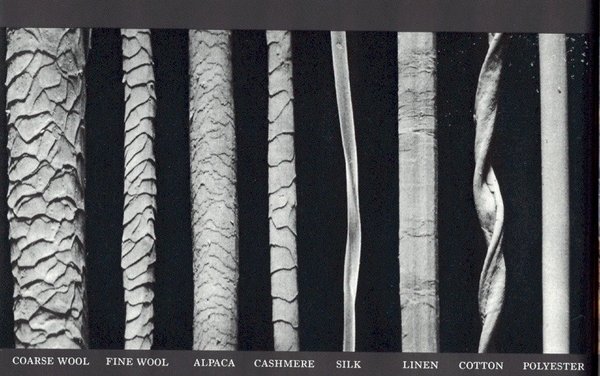
Why "100% Cashmere" Labels Lie: Blend Ratio Detection Explained
Why "100% Cashmere" Labels Lie: Blend Ratio Detection Explained Introduction A label that reads "100% Cashmere" is not a certificate. It is a claim, and claims in the cashmere supply chain are routinely false. Independent market surveys estimate that 30-60% of products sold as "100%

Lab-Grade vs. Consumer-Grade Cashmere Authentication: What Actually Works
Lab-Grade vs. Consumer-Grade Cashmere Authentication: What Actually Works Introduction Not all cashmere authentication methods are created equal. A textile laboratory equipped with scanning electron microscopy and DNA sequencing can identify cashmere with near-certainty. A consumer armed with a smartphone and a lighter faces a significantly wider margin of error. The