Knitted vs Woven Scarves: Key Differences for Buyers

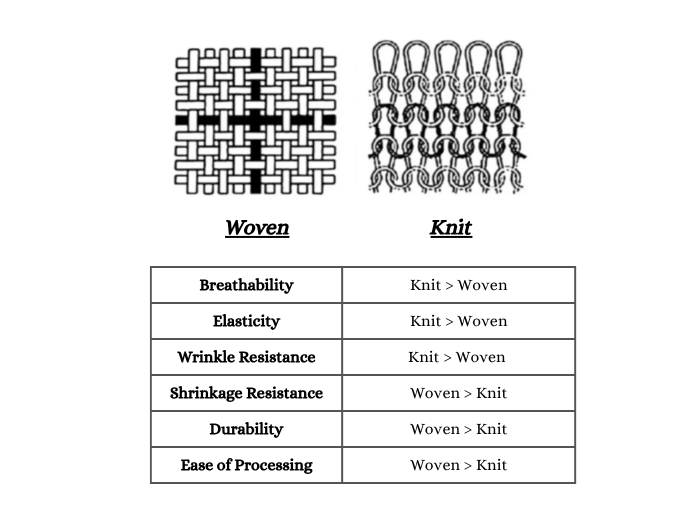
Knitted vs Woven Scarves: Key Differences for Buyers
A chunky, stretchy beanie. A crisp, printed silk scarf. One is knitted. One is woven. They look different, feel different, and are made by completely different methods. Choosing the wrong construction for your product leads to production problems and customer returns.
This guide explains the fundamental differences between knitted and woven scarves, their characteristics, and which is right for your product.
1. The Basic Difference
Knitted Fabric
Made from a single continuous yarn that loops together to form interlocking stitches. Think of it like one long thread making a series of connected loops — similar to hand knitting but done by machine.
- Stretchy: Can stretch in multiple directions
- Soft and draping: Naturally follows body contours
- Looser structure: More air between stitches
- Warm: Traps air in the loops
Woven Fabric
Made from two sets of yarns (warp and weft) that cross over and under each other at right angles — like a basket weave.
- Minimal stretch: Only stretches slightly on the bias (diagonal)
- Crisp and structured: Holds shape, less draping
- Tighter structure: Yarns packed closely together
- Cooler: Less air trapped, more breathable
2. Comparison at a Glance
| Characteristic | Knitted Scarf | Woven Scarf |
|---|---|---|
Let me provide that table clearly:
Knitted vs Woven Comparison
| Characteristic | Knitted Scarf | Woven Scarf |
|---|---|---|
I'll present the comparison as text:
Knitted vs Woven Comparison
- Stretch: Knitted = High (20-50%+), Woven = Very low (2-5% on bias only)
- Drape: Knitted = Soft, follows body, Woven = Crisp, holds shape
- Warmth: Knitted = Warmer (traps air), Woven = Cooler (more breathable)
- Durability: Knitted = Moderate (snags easier), Woven = High (more resistant)
- Edge curling: Knitted = Some structures curl, Woven = No curling, clean edges
- Production speed: Knitted = Faster, Woven = Slower
- Minimum order quantity: Knitted = Lower (300-1000 pieces), Woven = Higher (1000-5000 pieces)
- Unit cost: Knitted = Lower (for simple structures), Woven = Higher
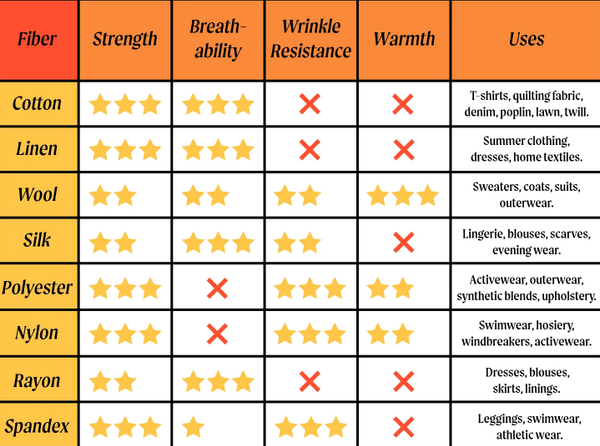
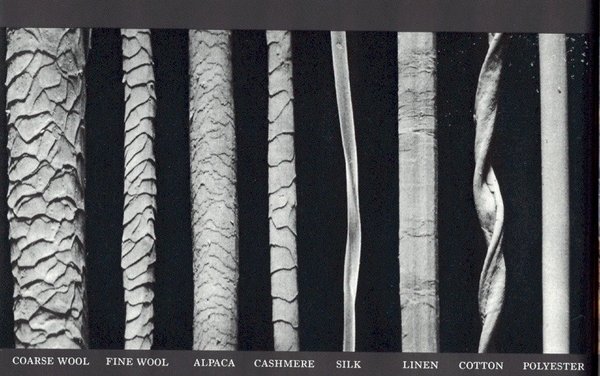
- Typical fibers: Knitted = Wool, cashmere, acrylic, cotton, Woven = Silk, cotton, linen, wool, polyester
3. Detailed Comparison by Factor
Stretch and Recovery
Knitted: High stretch — essential for beanies and snug-fit scarves. Knitted rib structures can stretch 2-3 times their relaxed width and snap back. This makes knitted products comfortable and forgiving in fit.
Woven: Very little stretch. Woven scarves rely on precise sizing. If a woven scarf is too tight, it won't stretch to fit. If too loose, it won't tighten.
Drape and Hand Feel
Knitted: Soft, fluid drape that follows the body. Feels cozy and warm. Even heavy knitted scarves have some flexibility and movement.
Woven: Crisp, structured drape. Holds shape and creases. Lightweight woven scarves (silk, cotton) have a elegant, flowing drape that knitted fabrics cannot achieve.
Warmth and Breathability
Knitted: Warmer because the loop structure traps air. The tiny air pockets between stitches act as insulation. This is why winter scarves and beanies are almost always knitted.
Woven: More breathable and cooler. The flat, tight structure allows air to pass through more easily. Better for summer scarves or lightweight shawls.
Durability
Knitted: Moderate durability. A pulled thread can create a run or hole. Snagging is a risk. However, tighter knit structures (interlock) are quite durable.
Woven: Very durable. The interlaced structure resists snags and pulls. Woven scarves generally last longer and handle abrasion better.
Printing and Patterns
Knitted: Best for jacquard (knitted-in patterns) or solid colors. Printing on knitted fabric is difficult because the surface is uneven and stretchy — prints distort when stretched.
Woven: Excellent for prints. The flat, stable surface takes digital, screen, and discharge printing perfectly. Most printed scarves (floral, geometric, artistic) are woven.
Edge Finishing
Knitted: Some structures (jersey) curl and require hemming or ribbed borders. Others (rib, interlock) lie flat naturally.
Woven: No curling. Edges can be finished with hem, fringe, or left raw (if fabric doesn't fray).
4. Which Should You Choose?
Choose Knitted If:
- ✓ You are making beanies, winter scarves, or cold-weather accessories
- ✓ You need stretch and recovery (for a snug fit or comfort)
- ✓ You want a soft, cozy, casual look and feel
- ✓ Your product needs to trap heat (warmth is a priority)
- ✓ You have lower MOQ requirements (300-1000 pieces)
- ✓ Your design uses solid colors or jacquard patterns (not prints)
Choose Woven If:
- ✓ You are making lightweight summer scarves, shawls, or fashion scarves
- ✓ You need printed designs (floral, geometric, custom artwork)
- ✓ You want a crisp, structured look (holds shape)
- ✓ Your product needs to be cool and breathable
- ✓ You can meet higher MOQ (1000-5000+ pieces)
- ✓ You are using silk, fine cotton, or linen
5. Knitted vs Woven for Specific Products
Beanies / Hats:
Only knitted. Woven fabric cannot stretch enough to fit the head comfortably. Knitted beanies stretch to fit multiple head sizes and recover their shape.
Winter Scarves:
Mostly knitted. The warmth and softness of knitted wool, cashmere, or acrylic make knitted scarves the standard choice for cold weather.
Lightweight Summer Scarves:
Either works. Knitted (fine gauge, open stitch) can be airy and light. Woven (silk, cotton, linen) offers elegant drape and print possibilities.
Printed Scarves:
Mostly woven. The stable surface of woven fabric holds prints perfectly without distortion. Knitted prints often look fuzzy or misaligned.
Luxury / Designer Scarves:
Both are common. Knitted cashmere for soft, cozy luxury. Woven silk for printed, artistic luxury. Different markets, different looks.
6. Common Misconceptions
- "Knitted is always warmer": Yes, for the same fiber and weight. But a lightweight knitted scarf is cooler than a heavy woven wool scarf.
- "Woven is always more durable": Generally true, but a tight interlock knit is very durable. Quality matters more than construction type.
- "I can print anything on knitted fabric": No. Most knitted fabrics are poor for printing. If you need prints, choose woven or test extensively.
- "Knitted is cheaper": For simple structures, yes. But complex knitted jacquard can be more expensive than simple woven.
7. Cost Comparison
For similar fiber quality and weight:
- Knitted (basic rib or jersey): $ – Lowest cost
- Knitted (interlock, jacquard): $$ – Moderate to high
- Woven (plain weave): $$ – Moderate
- Woven (twill, satin, jacquard): $$$ – Higher
Knitted MOQ: 300-1000 pieces. Woven MOQ: 1000-5000 pieces. For small orders, knitted is often the only practical choice.
8. Questions to Ask Your Supplier
- ✓ "Is this scarf knitted or woven?"
- ✓ "What are the stretch properties of this fabric?"
- ✓ "Will the edges curl?"
- ✓ "Can you print my design on this fabric?"
- ✓ "What is the MOQ for knitted vs woven?"
Related Guide from Weave Essence
📘 Knitting Basics: A Technical Guide for Buyers (L1)
Not sure if your scarf should be knitted or woven? Contact our team for advice →