SS26 Knitted Scarf Trends: Lightweight, Sheer, and Resort-Inspired

SS26 Knitted Scarf Trends: Lightweight, Sheer, and Resort-Inspired
Spring-Summer scarves are a smaller category than winter, but a smarter one. Less competition, earlier delivery windows, and buyers who understand that a summer scarf is a fashion item, not a utility item — which means higher margins. The brands that do SS scarves well treat them as accessories, not afterthoughts.
Here's what's being ordered for Spring-Summer 2026.
Why Summer Scarves Are Technically Harder
Before diving into trends, understand the production reality: a lightweight summer scarf is structurally harder to make than a winter one. At 12–16 GG on fine-gauge yarns (2/48 Nm to 2/60 Nm), the knitting tolerances are tighter. A yarn irregularity that's invisible in a chunky 7 GG winter scarf becomes a visible defect in a 14 GG summer scarf. The knitting speed is slower, the defect rate is higher, and the fabric is less forgiving of tension errors.
This is why not every winter scarf factory can produce good summer scarves. Ask about their fine-gauge capability before placing an order.
Fiber: What's Being Specified for SS26
| Fiber | Demand | Typical Blend | Why It Works for SS |
|---|---|---|---|
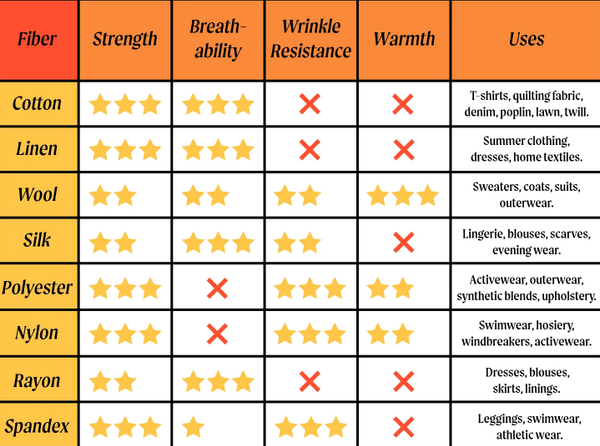
| Linen-cotton blend | High and rising | 55% linen / 45% cotton | Breathable, crisp drape, natural wrinkles add texture |
| Silk-cotton blend | Stable premium | 30% silk / 70% cotton | Subtle sheen, soft hand, higher retail price point |
| Mercerized cotton | Stable mid-tier | 100% cotton (mercerized) | Smooth, slight luster, takes dye well for bright colors |
| TENCEL™ / Lyocell | Growing | 100% or blend with cotton | Fluid drape, sustainable story, cool to the touch |
| Bamboo viscose | Niche growing | 100% or blend | Antibacterial marketing angle; soft hand feel |
Linen-cotton is the breakout fiber for SS26. Buyers like it because it looks distinctly different from a winter scarf — the texture and drape signal "summer" immediately. The cost is moderate ($10–$16/kg for linen-cotton yarn vs. $4–$6/kg for acrylic), and the retail price point comfortably sits at $35–$65, which is where SS scarf margins work.
Color: The SS26 Palette
| Color Family | Specific Shades | Demand Level |
|---|---|---|
| Soft Whites & Creams | Ecru, Ivory, Chalk White, Sand | Very High |
| Coastal Blues | Sky Blue, Aqua, Cornflower, Powder Blue | High |
| Warm Pastels | Peach, Butter Yellow, Soft Coral | High |
| Mediterranean Tones | Terracotta, Olive, Sun-Faded Clay | Rising |
| Lavender & Lilac | Pale Lavender, Wisteria, Mauve | Moderate-High |
White and ecru dominate because they photograph well and pair with everything. The challenge: white cotton and linen scarves show dirt in production and handling. The defect rate on white is typically 2–3% higher than on colored scarves because every stain, oil spot, and handling mark is visible. Budget for that additional waste.
Structure: Open Stitches and Sheer Effects
The defining visual feature of SS26 scarves is openness — knit structures that let light and air through.
| Structure | Trend | Technical Note |
|---|---|---|
| Open-stitch / ladder stitch | Strong | Creates a net-like appearance. Fragile — requires reinforced edges. Not suitable for machine washing. |
| Drop-stitch patterns | Growing | Intentional dropped stitches for a deconstructed look. Needs skilled operators on manual machines. |
| Feather-weight jersey | Stable | The default for printed summer scarves. Smooth surface, 14–16 GG, 80–120g total weight. |
| Pointelle | Rising | Small eyelet patterns. More durable than ladder stitch, still offers the open look. |
| Fine rib (1×1, 14 GG+) | Stable | The most durable open structure. Good for brands worried about returns. |
Size & Shape: The Resort Influence
Summer scarves are trending larger than winter scarves because they're worn as wraps and cover-ups, not neck warmers.
| Style | Dimensions | Use Case |
|---|---|---|
| Beach wrap / sarong style | 100–120 × 100–120 cm | Resort wear, pool cover-up |
| Large square scarf | 90 × 90 cm | Neck scarf, head wrap, bag accessory |
| Classic long scarf (lightweight) | 180–200 × 40–50 cm | Evening wrap, air-conditioned indoor wear |
| Bandana (knitted) | 50 × 50 cm | Festival accessory, niche |
SS26 Production Timeline
SS scarves ship earlier than you think. Resort and pre-spring collections start delivering in November-December. Main spring deliveries run January-February.
| Delivery Window | Order By | Production |
|---|---|---|
| Resort / Cruise (Nov–Dec) | July–August | Sep–Oct |
| Spring 1 (Jan) | September | Oct–Dec |
| Spring 2 (Feb–Mar) | October–November | Dec–Jan |
Many buyers miss the SS ordering window because they're still focused on AW deliveries in August. The SS deadline passes while they're chasing winter shipments. Mark your calendar: July is the decision point for SS26.
Sourcing Checklist for SS26
- Confirm fine-gauge capability (14 GG+). Ask for SS-specific production samples, not winter samples in summer colors.
- Linen blends require pre-washing. Linen shrinks more than cotton or wool. Spec a pre-wash or build 5–8% shrinkage allowance into the cut dimensions.
- Order white and ecru at higher quantities. They sell through reliably, and the higher MOQ offsets the higher defect rate.
- Avoid open-stitch structures unless your brand positioning (and return policy) supports them.
- Plan for July ordering. If you're reading this in August, you're already late for the Resort window.