Factory Audit Checklist for Knitted Scarves & Beanies
You found a factory on Alibaba. Prices look good. Samples are acceptable. But how do you know they can deliver 10,000 scarves on time, at consistent quality, without cutting corners?
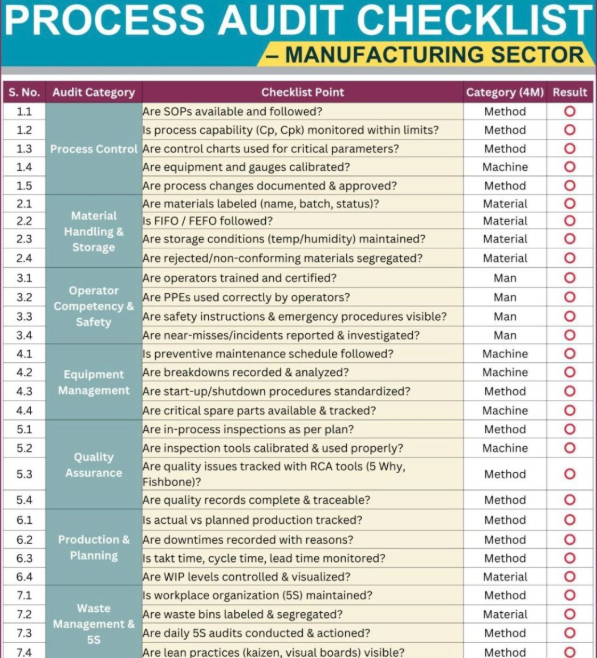
A factory audit answers these questions. This checklist covers five key areas: technical capability, quality systems, compliance, commercial reliability, and communication. Use it to evaluate potential suppliers for knitted scarves and beanies.
1. Technical Capability
Can the factory actually make your product to your specifications?
☐ Knitting machines: What machine types and gauges do they have (e.g., 7GG, 12GG flat bed)? Do they match your product requirements?
☐ Machine quantity: How many machines of each type? More machines = higher capacity and lower risk of delays.
☐ Machine age and condition: Newer machines produce more consistent quality. Ask when machines were purchased.
☐ In-house vs outsourced processes: Do they do dyeing, finishing, and printing in-house or subcontract? Subcontracting adds risk.
☐ Monthly production capacity: How many scarves or beanies can they produce per month? Is this realistic for your order size?
☐ Minimum Order Quantity (MOQ): What is their MOQ per color and per design? Does this match your needs?
☐ Lead time for sampling: How many days for initial sample? Development sample? PP sample?
☐ Lead time for bulk production: How many weeks from deposit to shipment for your quantity?
☐ Similar product experience: Have they produced scarves or beanies for other buyers? Ask for examples or references.
2. Quality Systems
Does the factory have processes to ensure consistent quality?
☐ In-process quality checks: Do they inspect during knitting, finishing, and packing? At what frequency?
☐ Final inspection before packing: Does every piece get checked, or do they use random sampling (AQL)?
☐ AQL standard: What AQL level do they use (e.g., 2.5 major / 4.0 minor)? This should be specified in your contract.
☐ In-house testing capability: Can they test color fastness, dimensional stability, pilling, and seam strength? Or do they send to third-party labs?
☐ Quality certifications: Do they have ISO 9001 (quality management), OEKO-TEX, BSCI, or other relevant certifications?
☐ Defect tracking: Do they record and analyze defect types? This shows continuous improvement.
☐ Sample retention: Do they keep samples from each production batch for future reference?
☐ Third-party inspection acceptance: Do they allow SGS, Bureau Veritas, or TÜV to inspect before shipment?
3. Compliance & Social Responsibility
Does the factory meet legal and ethical standards? Important for brands and European/US buyers.
☐ OEKO-TEX certification: Standard 100 certification proves products are free from harmful substances. Required for many markets.
☐ BSCI or Sedex audit: Social compliance audit covering worker rights, safety, and wages. Expected by most European buyers.
☐ ISO 9001 certification: Quality management system certification.
☐ GRS certification: If using recycled materials, GRS certification is required to make claims.
☐ GOTS certification: If using organic cotton or other organic fibers.
☐ Factory license and registration: Verify the factory is legally registered to operate and export.
☐ Worker safety: Are fire extinguishers visible? Are exits clear? Are workers provided with safety equipment?
☐ Child labor policy: Does the factory have a written policy against child labor?
☐ Working hours and overtime: Do they comply with local labor laws (typically 60-72 hours max per week)?
4. Commercial Reliability
Is the factory financially stable and trustworthy?
☐ Years in business: Longer history generally indicates stability. Be cautious of factories operating less than 3 years.
☐ Ownership structure: Direct factory or trading company? If trading, who is the actual manufacturer?
☐ Business license verification: Check registration with local authorities (can be done through third-party services).
☐ Customer references: Contact 2-3 current or past buyers. Ask about quality, on-time delivery, and problem resolution.
☐ Bank reference: For large orders, request a bank reference to verify financial stability.
☐ Payment terms offered: Standard is 30% deposit, 70% balance before shipment or against documents. Be cautious if they demand 100% upfront.
☐ Export experience: Have they exported to your country before? Familiarity with your market's requirements is valuable.
☐ Trade assurance: Does the factory have Alibaba Trade Assurance or similar buyer protection?
5. Communication & Transparency
How easy is it to work with this factory?
☐ English proficiency: Can they communicate clearly about technical specifications, problems, and timelines?
☐ Response time: Do they reply within 24-48 hours? Slow communication before ordering becomes slower after ordering.
☐ Willingness to share information: Do they provide factory photos, video tours, and production updates without hesitation?
☐ Sample policy: Reasonable sample fees ($50-200) that are refundable with order.
☐ Production reporting: Do they provide regular production updates with photos or videos?
☐ Problem resolution approach: How do they handle quality issues or delays? Ask for examples.
6. Audit Scoring System
Score each section to compare factories:
| Section | Max Score | Your Score |
|---|
Let me provide the scoring table clearly:
Audit Scoring
| Section | Max Score | Scoring Guide |
|---|
I'll present the scoring as text:
Audit Scoring System
- Technical Capability (25 points): 20-25 = Excellent, 15-19 = Good, under 15 = Weak
- Quality Systems (25 points): 20-25 = Excellent, 15-19 = Good, under 15 = Weak
- Compliance (20 points): 16-20 = Excellent, 12-15 = Good, under 12 = Weak
- Commercial Reliability (15 points): 12-15 = Excellent, 9-11 = Good, under 9 = Weak
- Communication (15 points): 12-15 = Excellent, 9-11 = Good, under 9 = Weak
📊 Interpretation:
85-100 points = Low risk — proceed with confidence
70-84 points = Medium risk — verify weak areas before ordering
55-69 points = High risk — require improvements or find alternative
Below 55 points = Very high risk — do not use this factory
7. Remote Audit Options
If you cannot visit the factory in person:
- Video call factory tour: Request a live walkthrough of production floor, finishing area, and quality lab.
- Third-party audit service: Hire SGS, Bureau Veritas, TÜV, or QIMA to conduct an audit ($800-2500 depending on scope).
- Alibaba factory inspection: Alibaba offers inspection services through third-party partners (starting around $300).
- Request detailed photos and videos: Ask for specific photos (e.g., "show me your knitting machines with a dated sign").
- Check online databases: Some compliance databases (e.g., Sedex, amfori BSCI) have factory audit reports available.
8. Red Flags That Should Stop You
- 🚩 Factory refuses to show production floor on video
- 🚩 No quality certifications and unwilling to provide test reports
- 🚩 Cannot provide references or all references sound scripted
- 🚩 Business license shows different address than claimed factory location
- 🚩 Extremely low prices compared to market (20-30% below others)
- 🚩 Demands 100% payment before shipment for first order
- 🚩 Multiple negative reviews or complaints found online
9. Questions to Ask Before Audit
- ✓ "Do you accept factory audits (in-person or third-party)?"
- ✓ "Can you provide your OEKO-TEX certificate and other certifications?"
- ✓ "What is your monthly production capacity for scarves / beanies?"
- ✓ "Can you provide references from buyers in my market (e.g., USA, Europe)?"
- ✓ "What is your typical lead time from deposit to shipment?"
Related Guide from Weave Essence
📘 Complete Sourcing Guide for Knitted Scarves & Beanies (L1)
Need help auditing a factory for your scarf or beanie order? Contact our team →