Textile Labeling Regulations Guide for Knitted Scarves & Beanies

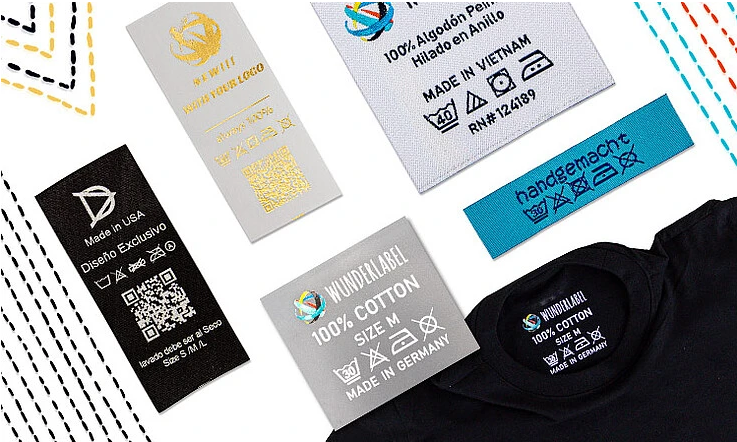
Textile Labeling Regulations Guide for Knitted Scarves & Beanies
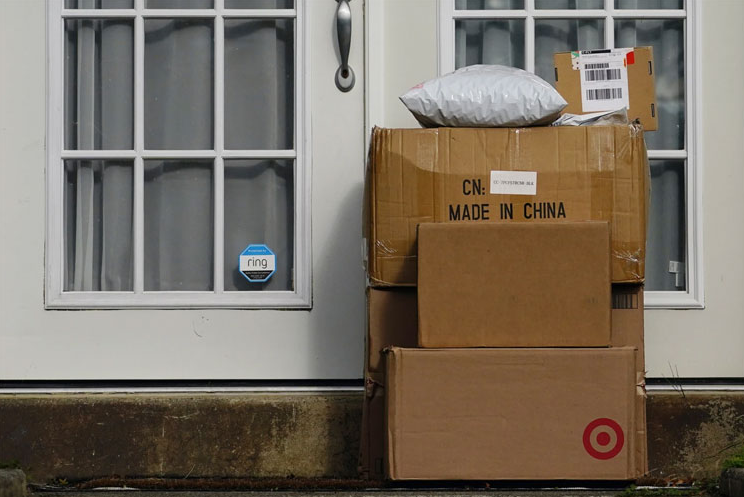
A scarf without a fiber content label. A beanie with care instructions in the wrong language. A product marked "Made in China" but actually assembled elsewhere. These labeling mistakes can get your products seized, fined, or pulled from shelves.
This guide covers textile labeling regulations for the US (FTC) and EU — fiber content, care instructions, country of origin, and size labeling for knitted scarves and beanies.
1. Why Labeling Matters
Labeling is not optional. Both the US and EU have mandatory textile labeling laws. Non-compliance can result in:
- Detention at customs: Products held until compliant labels are applied
- Fines and penalties: Up to $20,000+ per violation in the US
- Product recalls: For safety labeling violations
- Import bans: Repeated violations can lead to being banned from importing
2. US Labeling Requirements (FTC)
The Federal Trade Commission (FTC) enforces textile labeling under the Textile Fiber Products Identification Act (16 CFR Part 303) and the Care Labeling Rule (16 CFR Part 423).
Required Label Components (US)
| Component | Requirement | Legal Basis |
|---|---|---|
Let me provide that table properly:
US Label Requirements for Textiles
| Component | What Must Appear | Legal Basis |
|---|---|---|
I'll present the US requirements as text:
US Label Requirements for Scarves & Beanies
- Fiber content: Generic fiber names (e.g., "Cotton," "Wool," "Acrylic") with percentages (e.g., "100% Cotton"). Tolerance ±3% for fibers over 5%.
- Country of origin: "Made in [Country]" — must be in English, conspicuous, and legible. For imports, must appear on the product or its packaging.
- Manufacturer identification: RN number (Registered Identification Number) from FTC, or full company name and address.
- Care instructions: Required for products that can be washed. Written instructions (e.g., "Machine wash warm, tumble dry low") or standard symbols.
FTC Fiber Content Label Examples
FTC Care Label Requirements
The Care Labeling Rule requires:
- Regular washing instructions (water temperature and cycle)
- Drying instructions (tumble dry or line dry)
- Ironing instructions (if applicable)
- Warnings (e.g., "Do not bleach")
RN numbers are free to obtain from the FTC. They allow you to put a number (e.g., "RN 12345") instead of your full company name and address on labels. Apply at FTC.gov.
FTC Label Placement
- Scarves: Label can be on a sewn-in tag, heat transfer, or printed directly on fabric. Must be accessible without damaging product.
- Beanies: Label typically sewn into side seam or back. Must be legible and durable.
3. EU Labeling Requirements
The EU has different labeling requirements under the Textile Labeling Regulation (EU 1007/2011) and the CLP Regulation for care symbols.
Required Label Components (EU)
- Fiber content: Generic fiber names in the official EU language of the country of sale. Percentages required (tolerance ±3%).
- Country of origin: "Made in [Country]" required for imports. Must be conspicuous and legible.
- Care symbols: Required. Must use standardized GINETEX symbols (international symbols for care). Written instructions optional.
- Size: Must be indicated in standard EU sizes or centimeter measurements.
- Manufacturer information: Importer or manufacturer name and address required.
EU Fiber Names vs US Fiber Names
| Actual Fiber | US Label | EU Label |
|---|---|---|
Let me provide that table:
Fiber Name Differences
| US Name | EU Name |
|---|---|
I'll present fiber name differences as text:
Fiber Name Differences (US vs EU)
- Cashmere: Same in both
- Angora: Same in both (from angora rabbit)
- Modal: Modal in US; Modal in EU
- Tencel / Lyocell: Tencel is brand name; Lyocell is generic in both
- Polyester: Same
- Polyamide / Nylon: Nylon (US) / Polyamide (EU)
- Elastane / Spandex / Lycra: Spandex (US) / Elastane (EU)
EU Care Symbols (GINETEX)
EU labeling requires standardized symbols, not written instructions. Key symbols for scarves and beanies:
- Washing: Washtub symbol with temperature (e.g., 30°, 40°)
- Bleaching: Triangle (empty = any bleach; cross = no bleach)
- Drying: Square with circle (tumble dry); square with lines (line dry)
- Ironing: Iron symbol with dots (1 dot = low, 2 dots = medium, 3 dots = high)
- Professional care: Circle (dry clean) with letters (P = perchloroethylene; F = hydrocarbon)
EU Language Requirements
Labels must be in the official language(s) of the country where the product is sold. For example:
- France: French required
- Germany: German required
- Italy: Italian required
- Spain: Spanish required
- Multi-country sales: Multiple languages recommended (e.g., French + German + English)
4. Comparison: US vs EU Labeling
| Component | United States (FTC) | European Union (EU 1007/2011) |
|---|---|---|
Let me provide the comparison table clearly:
US vs EU Labeling Comparison
| Aspect | US (FTC) | EU |
|---|---|---|
I'll present the comparison as text:
US vs EU Labeling Requirements
- Fiber content: US = Percentages required, RN number optional. EU = Percentages required, must be in local language.
- Care instructions: US = Written words required (or symbols optional). EU = Symbols required (written optional).
- Country of origin: US = "Made in [Country]" required. EU = "Made in [Country]" required for imports.
- Manufacturer ID: US = RN number or company name. EU = Importer or manufacturer name and address required.
- Size: US = Not required but common. EU = Required (EU sizing or cm).
- Language: US = English only. EU = Local language(s) of country of sale.
- Symbols: US = Optional (written instructions required). EU = Required (GINETEX symbols).
5. Labeling for Children's Products
Children's scarves and beanies (US: age 12 and under) have additional labeling requirements under CPSIA:
- Tracking label: Must include manufacturer name, production date, batch/run number, and any other identifying information
- Location: Must be permanently affixed to product or packaging
- Additional warnings: For strangulation hazard on drawstrings or long cords
6. Sample Label Formats
US Label Example (Scarf)
US Label Example (Beanie)
EU Label Example (Scarf — for German market)
EU Label Example (Beanie — multi-language)
7. Common Labeling Mistakes
- Missing country of origin: "Made in China" must appear on every product and packaging
- Incorrect fiber percentages: Off by more than 3% violates FTC rule
- Fiber names not generic: "Fleece" (not a generic name — must list actual fiber)
- Missing RN number or manufacturer ID: Required for US market
- Wrong language for EU market: Selling in Germany without German label
- Missing care symbols (EU): Symbols required, not optional
- Care instructions too vague: "Wash with care" not specific enough for FTC
8. Label Durability Requirements
Labels must be durable and remain legible for the life of the product. For scarves and beanies:
- Sewn-in labels: Most durable, recommended for woven labels
- Heat transfer labels: Acceptable if tested for wash durability (at least 50 washes recommended)
- Printed-on labels: Acceptable only for fiber content and country of origin; must be legible after repeated washing
9. Buyer's Checklist
- ☐ Determine target market (US, EU, or both)
- ☐ Verify fiber content percentages match actual product (tolerance ±3%)
- ☐ Ensure country of origin ("Made in [Country]") is on product
- ☐ For US: RN number or manufacturer name on label
- ☐ For US: Written care instructions in English
- ☐ For EU: Care symbols (GINETEX) instead of or in addition to written instructions
- ☐ For EU: Labels in correct local language(s)
- ☐ For children's products: Tracking label affixed (US)
- ☐ Confirm label durability (sewn-in recommended)
10. Questions to Ask Your Supplier
- ✓ "What labeling will you provide (sewn-in, heat transfer, printed)?"
- ✓ "Will labels be in English for US market? Local language for EU market?"
- ✓ "Can you provide the exact fiber content percentages and care instructions for approval?"
- ✓ "Do you have an RN number or will you use our RN number?"
- ✓ "Can you provide a pre-production label sample before bulk production?"
Related Guide from Weave Essence
📘 Complete Compliance Guide for Knitted Scarves & Beanies (L1)
Need help with textile labeling for your scarf or beanie order? Contact our team →