Organic Cotton Guide for Knitted Scarves & Beanies

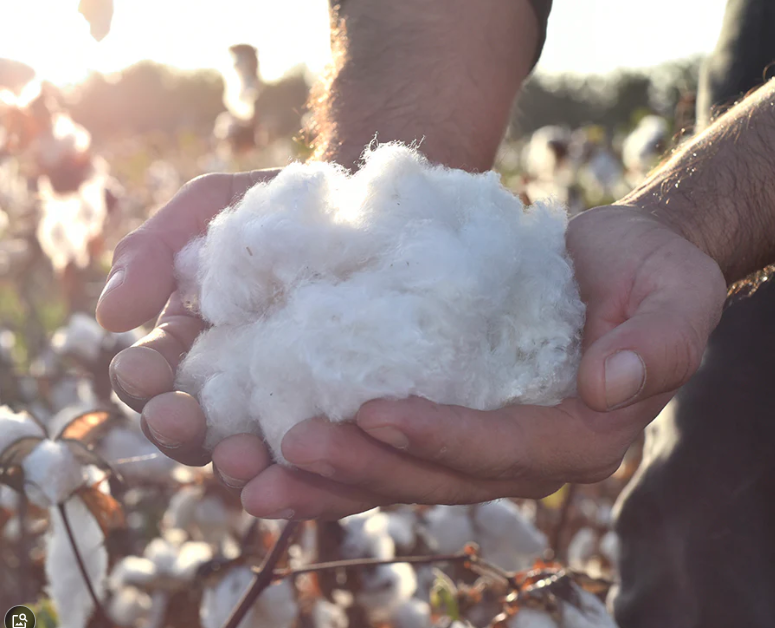
Organic Cotton Guide for Knitted Scarves & Beanies
Organic cotton is one of the most requested sustainable materials for knitted scarves and beanies. But certification requirements, supply chain verification, and cost premiums create confusion for buyers.
This guide explains organic cotton standards, GOTS certification, organic vs conventional cotton differences, and how to source verified organic cotton for your knitwear production.

1. What is Organic Cotton?
Organic cotton is cotton grown without synthetic pesticides, synthetic fertilizers, or genetically modified (GMO) seeds. It relies on natural farming methods: crop rotation, beneficial insects, compost, and manual weeding.
"Organic" refers to farming methods only. It does not automatically guarantee fair labor, low water usage, or sustainable dyeing — those require additional certifications like GOTS or Fair Trade.
What Organic Cotton Is NOT:
- Not recycled cotton — recycled cotton comes from post-industrial or post-consumer waste
- Not BCI cotton — Better Cotton Initiative allows synthetic pesticides (reduced use, not eliminated)
- Not naturally colored cotton — color is unrelated to organic certification
- Not automatically fair trade — organic and fair trade are separate certifications
2. Organic vs Conventional Cotton: Key Differences
| Metric | Organic Cotton | Conventional Cotton |
|---|---|---|
| Water consumption (liters/kg) | ~10,000-15,000 (rain-fed or efficient irrigation) | ~20,000-25,000 (heavy irrigation) |
| Synthetic pesticides (kg/kg) | Zero | ~0.3-0.5 kg |
| Synthetic fertilizer (kg/kg) | Zero | ~0.5-0.8 kg nitrogen |
| GMO seeds | Prohibited | Common (Bt cotton) |
| Soil health impact | Improves over time | Degrades, requires rotation |
| Yield (kg/hectare) | ~400-600 (lower) | ~800-1,200 (higher) |
| Production cost premium | +20-40% | Baseline |
Organic cotton yields are typically lower than conventional, which drives the price premium. This is not "inefficiency" — it reflects the absence of synthetic inputs and the focus on long-term soil health.
3. Organic Cotton Certifications for Textiles
Not all "organic cotton" claims are equal. For knitted scarves and beanies sold in regulated markets (EU, US, UK), you need credible third-party certification.
Primary Certifications by Market:
| Certification | Markets | Covers | Key Requirements |
|---|---|---|---|
| GOTS (Global Organic Textile Standard) | Global (EU, US, UK, Japan, China) | Farming + processing + labor + chemistry | ≥95% organic fibers; no toxic chemicals; social compliance |
| USDA Organic / NOP | United States | Farming only | USDA NOP farming standard; textile processing not covered |
| EU Organic Regulation (2018/848) | European Union | Farming only | EU organic farming rules; textile processing not covered |
| OCS (Organic Content Standard) | Global | Chain of custody only | No environmental or social criteria — just material tracking |
| India Organic / NPOP | India, EU (equivalent) | Farming | Indian national organic program |
Use GOTS for finished scarves and beanies. It covers the entire supply chain — farming, spinning, knitting, dyeing, finishing, and labeling. OCS alone is insufficient for credible sustainability claims.
4. GOTS Certification Explained
GOTS is the most comprehensive organic textile standard. For knitted accessories, GOTS certification requires:
For GOTS "Organic" Label (≥95% organic fibers):
- Minimum 95% certified organic fibers (cotton, wool, etc.)
- Up to 5% non-organic natural fibers allowed (no synthetics, no GMOs)
- Prohibited substances list — no toxic heavy metals, formaldehyde, aromatic solvents
- Wastewater treatment mandatory for all wet processing units
- Social compliance (ILO standards, no child labor, living wages)
- Chain of custody documentation from farm to finished product
For GOTS "Made with Organic" Label (≥70% organic fibers):
- Minimum 70% certified organic fibers
- Up to 30% non-organic fibers (including synthetics like recycled polyester)
- Same chemical, wastewater, and social requirements as full GOTS
- Using OCS-certified cotton but claiming "GOTS" (different standard)
- Dyeing with prohibited azo dyes or heavy metals
- Blending organic with conventional cotton without certification
- Missing transaction certificates for each supply chain step
5. Organic Cotton Supply Chain for Knitwear
Traceability is the hardest part of organic cotton sourcing. A typical knitwear supply chain has 5-7 steps, each requiring certification and transaction certificates.
Complete Supply Chain (Scarf/Beanie Example):
- Farm — Organic cotton bales (GOTS or equivalent certified)
- Ginner — Separates cotton fiber from seeds (must handle organic separately)
- Spinner — Converts fiber to yarn (GOTS-certified spinning mill)
- Dyer — Yarn dyeing (GOTS-certified, wastewater treatment required)
- Knitter — Knits scarf or beanie (GOTS-certified facility)
- Finisher — Washing, softening, pressing (GOTS-compliant chemistry)
- Cutter/Sewer/Packager — Final assembly and labeling (GOTS-certified)
Each step must issue a Transaction Certificate (TC) proving that certified organic material moved to the next facility. If any step lacks a TC, the final product cannot be sold as GOTS-certified.
6. Organic Cotton Cost Breakdown for Scarves & Beanies
Organic cotton yarn costs 20-40% more than conventional cotton yarn. The final product premium may be lower (15-30%) because other costs (knitting, finishing, packaging) are similar.
| Cost Component | Conventional Cotton | Organic Cotton | Premium |
|---|---|---|---|
| Raw cotton fiber (USD/kg) | $1.80-2.50 | $2.80-4.20 | +40-70% |
| Yarn (Nm 2/24, combed, ring-spun, USD/kg) | $5.50-7.00 | $7.50-10.00 | +30-45% |
| Knitting labor (scarf, per piece) | $0.80-1.50 | $0.80-1.50 | 0% (same) |
| Dyeing & finishing (USD/kg) | $2.00-4.00 | $2.50-5.00 | +20-30% (GOTS chemistry) |
| Certification & TC fees (annual, factory) | $0 | $2,000-8,000 | Fixed cost |
| Final scarf (150g, organic cotton) | $3.00-4.50 | $3.80-6.00 | +20-35% |
Organic cotton prices fluctuate with conventional cotton markets. In 2022-2023, organic premiums exceeded 80% due to supply chain disruptions. Always request current pricing with your tech pack.
7. Sourcing Verified Organic Cotton
Step 1: Choose Your Certification Path
- GOTS — Recommended for EU/US/UK markets. Highest credibility.
- OCS — For basic material claim only (not recommended for sustainability marketing).
- Organic Cotton Blend — GOTS "Made with Organic" (70% organic minimum).
Step 2: Find Certified Suppliers
- GOTS public database — global-standard.org
- Textile Exchange — Organic cotton market reports and supplier lists
- Request transaction certificates (TCs) for every batch
- Visit or audit spinning mills — contamination with conventional cotton is common
Step 3: Include Requirements in Your Tech Pack
- Specify "GOTS-certified organic cotton" not just "organic cotton"
- Require scope certificate and batch-level transaction certificates
- Request segregated production (organic cotton processed separately from conventional)
- Include testing for prohibited substances (pesticide residue testing)
Step 4: Verify Before Production
- Request the factory's GOTS scope certificate (valid dates, product categories)
- Review transaction certificate from spinner to factory
- If possible, request pesticide residue testing on raw fiber or yarn
- Confirm that trims, threads, and labels are also GOTS-compliant
8. Common Organic Cotton Claims and Problems
Valid Claims (with correct certification):
- ✓ "Made with 100% GOTS-certified organic cotton"
- ✓ "Organic cotton, certified by [certifier name] to GOTS standard"
- ✓ "70% organic cotton, 30% recycled polyester — GOTS 'Made with Organic' certified"
Invalid or Problematic Claims (greenwashing):
- ✗ "Organic cotton" without certification name or number
- ✗ "Made with organic cotton" (no GOTS or OCS certification)
- ✗ "BCI cotton" marketed as organic (BCI allows pesticides)
- ✗ "Naturally grown cotton" with no organic certification
- ✗ GOTS label on product made from OCS-certified material (different standard)
From 2026, environmental claims (including "organic cotton") without third-party certification will be banned in the EU. GOTS or equivalent certification will be legally required.
9. Buyer's Checklist for Organic Cotton Knitwear
- ☐ Decide on GOTS "Organic" (≥95%) vs "Made with Organic" (70-95%)
- ☐ Verify factory's GOTS scope certificate before sampling
- ☐ Request transaction certificates for each batch
- ☐ Confirm dyeing and finishing are GOTS-compliant (no prohibited chemicals)
- ☐ Request pesticide residue testing if risk is high
- ☐ Ensure labels and packaging are also GOTS-compliant
- ☐ Budget for 20-40% material cost premium over conventional cotton
- ☐ Monitor organic cotton price trends (Textile Exchange annual report)
10. Questions to Ask Your Organic Cotton Supplier
- ✓ "What certification does your organic cotton hold? GOTS, OCS, or other?"
- ✓ "Can you provide your current GOTS scope certificate and transaction certificates for this batch?"
- ✓ "Is your organic cotton segregated or processed on shared equipment?"
- ✓ "What is the percentage of organic fiber in this yarn?"
- ✓ "Are your dyes and auxiliaries GOTS-approved?"
- ✓ "Can you provide pesticide residue test results for this lot?"
- ✓ "What is your organic cotton price premium over conventional today?"
Related Guides from Weave Essence
📘 Complete Sustainable Materials Guide
📘 GOTS, GRS & RWS Certification Guide