Supply Chain Mapping Guide for Knitwear Buyers

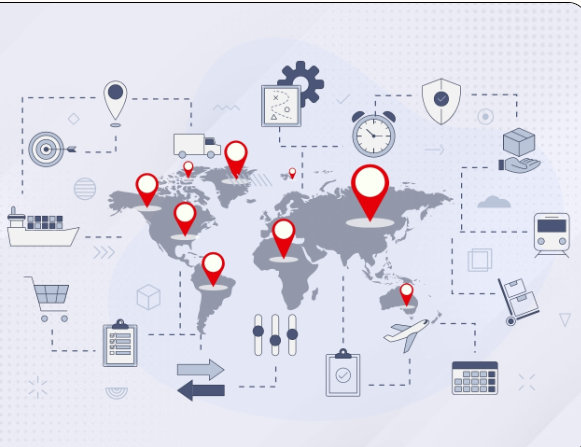
Supply Chain Mapping Guide for Knitwear Buyers
You know your factory. But who supplies their yarn? Where does that yarn come from? Who spins it? Who dyes it? Who grows the fiber?
Supply chain transparency is no longer optional. New EU regulations (CS3D, ESPR), brand requirements, and consumer expectations demand that buyers know where their products come from — from fiber to finished goods. This guide explains supply chain mapping for knitted scarves and beanies.
1. What is Supply Chain Mapping?
Supply chain mapping is the process of identifying and documenting every entity involved in producing your product — from raw material suppliers to finished goods manufacturers.
Tier 1: Finished goods factory (your direct supplier)
Tier 2: Yarn supplier (spinner, dyer)
Tier 3: Fiber supplier (farm, raw material producer)
Tier 4: Raw material origin (country/region of fiber production)
Complete mapping answers: Who made it? Where was it made? From what? Under what conditions?
2. Why Supply Chain Mapping Matters
2.1 Regulatory Compliance (EU)
- CS3D (Corporate Sustainability Due Diligence Directive): Requires companies to identify and address human rights and environmental risks in their supply chain.
- ESPR (Ecodesign for Sustainable Products Regulation): Requires Digital Product Passports (DPP) with supply chain information for textiles by 2028.
- EU Deforestation Regulation: Requires proof that products (including textiles) do not come from deforested land.
2.2 Brand Requirements
- Many brands now require full supply chain disclosure from suppliers
- Transparency is increasingly required for B2B contracts
2.3 Risk Management
- Identify bottlenecks (single sources of supply)
- Verify ethical and environmental claims
- Respond quickly to supply disruptions
3. Supply Chain Tiers Explained
Tier 1: Finished Goods Factory (Your Supplier)
This is the factory that produces your finished scarves or beanies. You already have this information.
What to document: Factory name, address, certifications (ISO, BSCI, OEKO-TEX), number of workers, machine types.
Tier 2: Yarn Supplier (Spinner / Dyer)
Where does your factory buy yarn? Who spins the fiber into yarn? Who dyes the yarn?
What to document: Yarn mill name, location, certifications (OEKO-TEX, GRS, GOTS), spinning process, dyeing method.
Tier 3: Fiber Supplier
Where does the raw fiber come from? Who produces the wool, cotton, acrylic, or other fibers?
What to document: Fiber type, supplier name, origin country, certifications (RWS for wool, BCI for cotton, GOTS for organic).
Tier 4: Raw Material Origin
The farm or region where fiber is produced.
What to document: Country/region of origin, farm certification if applicable (RWS, organic).
4. Knitwear Supply Chain Example
A typical supply chain for a wool scarf:
- Tier 1 (Factory): Weave Essence — Suzhou, China — knitting, finishing, packing scarves
- Tier 2 (Yarn mill): Xinjiang Wool Textile — Xinjiang, China — spinning raw wool into yarn, dyeing
- Tier 3 (Fiber supplier): Inner Mongolia Wool Cooperative — Inner Mongolia, China — sourcing raw wool from herders
- Tier 4 (Origin): Inner Mongolia, China — sheep farms with RWS certification
5. Information to Collect from Your Supplier
Ask your factory to provide this information:
For Yarn (Tier 2):
- Yarn supplier name and address
- Yarn mill location and certifications
- Yarn composition (e.g., 100% wool, 70% acrylic/30% nylon)
- Yarn count (Nm) and ply
- Dyeing method (stock, hank, or package dyeing)
- Dye house location and certifications (OEKO-TEX, ZDHC)
For Fiber (Tier 3):
- Fiber type and source
- Fiber supplier name and location
- Fiber certifications (RWS, GOTS, BCI, GRS)
- Country of origin for raw fiber
6. Certifications That Require Supply Chain Transparency
Let me provide that table clearly:
Certification Mapping Requirements
| Certification | Mapping Required | What Must Be Traced |
|---|---|---|
I'll present the certification table as text:
Certification Mapping Requirements
- GRS (Global Recycled Standard): Yes — requires chain of custody from recycled material to finished product
- GOTS (Global Organic Textile Standard): Yes — requires tracing from organic farm to finished product
- RWS (Responsible Wool Standard): Yes — requires tracing from certified farm to finished product
- OEKO-TEX Standard 100: No — product-based testing, does not require supply chain mapping
- BCI (Better Cotton Initiative): Yes — requires tracing to BCI-licensed farms (mass balance or segregation)
7. Regulatory Drivers (EU Focus)
CS3D — Corporate Sustainability Due Diligence Directive
Applies to large EU companies and non-EU companies with significant EU business. Requires:
- Identifying actual and potential adverse impacts in supply chain
- Preventing and mitigating risks
- Tracking effectiveness of due diligence
- Public reporting on supply chain risks
ESPR — Ecodesign for Sustainable Products Regulation
For textiles sold in the EU by 2028:
- Digital Product Passport (DPP) required for each product
- DPP must include supply chain information
- Information must be machine-readable and accessible
Starting 2028, you will need supply chain information for every scarf and beanie you sell in the EU market. Start mapping now.
8. How to Start Supply Chain Mapping
- Start with Tier 1: Your direct factory should have the most information
- Ask for yarn suppliers: Request names, addresses, and certifications of all yarn mills
- Request fiber source information: Ask where the raw fiber comes from
- Verify certifications: Request certificates from each supplier
- Document everything: Create a database of suppliers by tier
- Update regularly: Supply chains change. Review annually or per order
9. Information to Document
Create a spreadsheet with these columns:
- Tier level (1, 2, 3, 4)
- Supplier name
- Supplier address
- Country of operation
- Certifications (and certificate numbers)
- Products/materials supplied
- Contact person and email
- Date information verified
10. Challenges in Supply Chain Mapping
- Supplier reluctance: Some factories consider yarn sources proprietary information
- Multiple suppliers: Different components (yarn, packaging, trims) come from different sources
- Changing supply chains: Yarn mills change; fiber sources change seasonally
- Commodity blending: Certified and non-certified materials may be blended (mass balance)
- Lack of transparency: Lower-tier suppliers may be unwilling to disclose information
11. Questions to Ask Your Supplier
- ✓ "Who supplies your yarn? Can you provide their name and address?"
- ✓ "Where does your yarn mill source their fiber?"
- ✓ "Can you provide certificates from your yarn supplier (OEKO-TEX, GRS, etc.)?"
- ✓ "Is your supply chain consistent, or do you change yarn sources by order?"
- ✓ "Can you provide a letter confirming your supply chain for this order?"
Related Guide from Weave Essence
📘 Complete Sourcing Guide for Knitted Scarves & Beanies (L1)
Need help mapping your supply chain for scarf or beanie orders? Contact our team →