Knitting Machine Types Guide for Knitwear Buyers | Knitted Scarves & Beanies

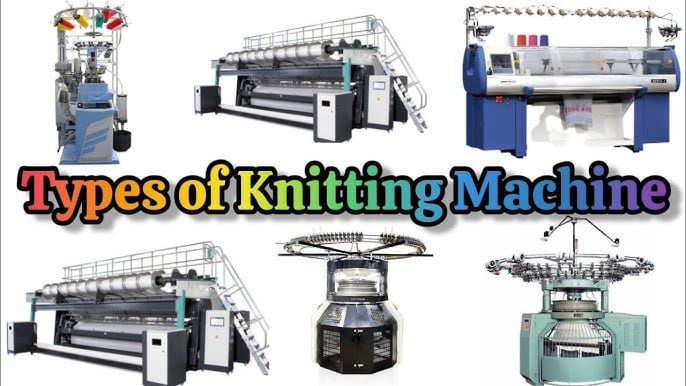
Knitting Machine Types Guide for Knitwear Buyers
The type of knitting machine used to produce your scarves and beanies directly affects quality, cost, and design possibilities. Understanding machine types helps you ask the right questions and select the right factory for your product.
This guide covers flat bed vs circular knitting machines, gauge ranges, machine brands, and how machine choice affects your product. For knit structure guidance, see our Knit Structures Guide. For gauge guidance, see our Knitting Gauge (GG) Guide.
1. Why Machine Type Matters for Buyers
- Product quality: Different machines produce different fabric characteristics
- Design capability: Some machines can produce complex patterns, others cannot
- Production speed: Affects lead time and cost
- Minimum order quantity: Machine setup time affects MOQ
- Fabric width: Machine type determines maximum fabric width
For buyers: A factory's machine inventory tells you what they can and cannot make. A factory with only circular knitting machines cannot produce fully fashioned flat knit scarves.
For quality standards, see our Ultimate Guide to Quality for Knitted Scarves & Beanies.
2. Flat Bed Knitting Machines
Flat bed machines have two flat needle beds (front and back) that move back and forth. Yarn is fed from a carriage that travels across the needle beds.
Characteristics
- Fabric width: Limited by machine width (typically 60-120cm)
- Shape: Can knit shaped panels (fully fashioned)
- Pattern capability: Excellent — can produce complex jacquard, cable, and intarsia
- Production speed: Slower than circular machines
- Typical products: Fully fashioned scarves, cable knits, intarsia designs, panels for assembly
Best For
- Fully fashioned scarves (no side seams)
- Cable knit patterns
- Complex jacquard designs
- Intarsia (multi-color patterns without floats)
- Premium and luxury knitwear
Major Brands
- Stoll (Germany): Industry leader, premium quality
- Shima Seiki (Japan): High precision, advanced technology
- Protti (Italy): Fine gauge specialist
- Steiger (Switzerland): High-end flat bed machines
- Ningbo Cixing (China): Affordable, widely used in China
3. Circular Knitting Machines
Circular machines have needles arranged in a cylinder (circle). Fabric is produced as a continuous tube.
Characteristics
- Fabric width: Wide (up to 200cm+ when slit open)
- Shape: Tubular fabric (cut and sew required)
- Pattern capability: Limited compared to flat bed; jacquard possible but simpler
- Production speed: Fast — high output
- Typical products: Jersey, rib, interlock, tubular scarves (infinity), cut-and-sew products
Best For
- Infinity scarves (tubular construction)
- Jersey and basic rib scarves
- High-volume, cost-effective production
- Cut-and-sew construction
- Basic beanies (cut and sewn)
Major Brands
- Mayer & Cie (Germany): Premium circular machines
- Terrot (Germany): High-quality circular machines
- Fukuhara (Japan): Precision circular machines
- Pailung (Taiwan): Good quality, cost-effective
- Santoni (Italy): Seamless circular machines
4. Gauge Ranges by Machine Type
Flat Bed Machines
- Coarse gauge (3-5gg): Chunky scarves, heavy knits
- Standard gauge (7-10gg): Most common for scarves and beanies
- Fine gauge (12-14gg): Fine knit scarves, lightweight
- Ultra-fine gauge (15-18gg): Very fine, premium lightweight
Circular Machines
- Coarse gauge (3-7gg): Chunky knits (less common on circular)
- Standard gauge (10-14gg): Most common — jersey, rib
- Fine gauge (18-22gg): Fine knits, lightweight
- Ultra-fine gauge (24-32gg): Very fine, sheer knits
For gauge guidance, see our Knitting Gauge (GG) Guide.
5. Flat Bed vs Circular: Comparison
- Fully fashioned capability: Flat bed = Yes; Circular = No (cut and sew required)
- Cable patterns: Flat bed = Excellent; Circular = Very limited
- Intarsia (color blocks): Flat bed = Excellent; Circular = Not possible
- Jacquard complexity: Flat bed = High; Circular = Medium
- Production speed: Flat bed = Slower; Circular = Fast
- Cost per unit (volume): Flat bed = Higher; Circular = Lower
- Minimum order quantity: Flat bed = Lower; Circular = Higher
- Seamless tubes (infinity scarves): Flat bed = Limited; Circular = Excellent
6. Which Machine for Which Product?
Knitted Scarves
- Fully fashioned scarf (no side seams): Flat bed machine — premium positioning
- Cable knit scarf: Flat bed machine — cable requires flat bed
- Jacquard scarf (complex pattern): Flat bed machine — better pattern definition
- Infinity scarf (tube): Circular machine — seamless tube
- Jersey scarf (basic): Circular or flat bed — circular is more cost-effective
- Rib scarf (2×2, 4×4): Both possible — flat bed for fully fashioned, circular for cut and sew
Knitted Beanies
- Fully fashioned beanie: Flat bed machine — premium, no seams
- Cut-and-sew beanie: Circular machine — cost-effective, standard
- Cable beanie: Flat bed machine — cable requires flat bed
- Jacquard beanie (logo): Both possible — flat bed for fully fashioned
- Ribbed beanie: Both possible
For product specifications, see our Ultimate Guide to Quality for Knitted Scarves & Beanies.
7. Machine Age and Condition
What to Check
- Machine age (older machines may have higher defect rates)
- Maintenance records
- Electronic vs mechanical controls (electronic is more precise)
- Spare parts availability
- Operator training level
Questions to Ask
- How old are your knitting machines?
- Do you have electronic jacquard capability?
- What is your machine maintenance schedule?
- Do you have spare parts available?
- How many machines do you have in each gauge?
8. Computerized vs Mechanical Machines
Computerized (Electronic) Machines
- Precise pattern control
- Faster pattern changes
- Lower defect rates
- Higher machine cost
- Requires skilled programmers
- Recommendation: Preferred for complex designs and premium products
Mechanical Machines
- Lower machine cost
- Simpler operation
- Limited pattern capability
- Slower pattern changes
- Higher defect rates possible
- Recommendation: Acceptable for simple designs, lower cost products
9. Buyer's Machine Assessment Checklist
- Ask factory for machine list (type, brand, gauge, age, quantity)
- Confirm factory has machines suitable for your product
- For complex designs, verify electronic jacquard capability
- For fully fashioned products, verify flat bed machines
- For high volume, verify sufficient machine capacity
- Visit or video call to see machines in operation
10. Questions to Ask Your Factory
- What types of knitting machines do you have (flat bed or circular)?
- What gauge ranges do you have?
- What brands of machines do you use?
- Do you have electronic jacquard capability?
- Can you produce fully fashioned products?
- What is the age of your machine fleet?
For supplier evaluation, see our 5 Red Flags When Evaluating a Knitting Factory.
11. Related Resources
- Knitting Basics: A Technical Guide for Buyers
- Knitting Gauge (GG) Guide
- Knit Structures Guide
- The Ultimate Guide to Quality for Knitted Scarves & Beanies
- The Complete Sourcing Guide for Knitted Scarves & Beanies
- 5 Red Flags When Evaluating a Knitting Factory
- How to Write a Tech Pack
This guide is part of our Knitting Basics series.