The Ultimate Guide to Quality for Knitted Scarves & Beanies: What Every Buyer Must Know

When sourcing knitted scarves or beanies, the difference between a good product and a bad one isn't always visible at first glance. Two scarves that look identical in a showroom can perform completely differently after three months of retail use.
This guide breaks down the key quality factors every buyer should check — from stitch structure to dimensional stability to pilling resistance. Whether you're a brand owner, procurement manager, or product developer, these are the things you need to know before placing your next order.
1. The Foundation: Stitch Structure
Knitted fabrics are made by interlocking loops of yarn. This structure gives knitted scarves and beanies their characteristic stretch and softness — but different stitch patterns create very different results.
Common Stitch Types for Scarves & Beanies
| Stitch Type | Characteristics | Best For |
|---|---|---|
| Jersey (Plain Knit) | Lightweight, smooth on one side, tends to curl at edges | Lightweight scarves, linings |
| Rib (1×1, 2×2, 4×4) | High elasticity, strong recovery, textured surface | Beanie cuffs, scarf ends, premium products |
| Cable | Thick, textured, traditional look | Chunky winter scarves, heritage styles |
| Jacquard | Pattern knitted directly into fabric, both sides show design | Branded scarves, complex patterns |
What Buyers Should Know
- Rib structure is critical for beanies — the elasticity determines whether the hat stays on or stretches out after a few wears.
- Cable knits look premium but cost more — they require slower production and more yarn.
- Jacquard patterns require higher MOQ — pattern setup costs need to be amortized.
For a detailed comparison of knitted vs woven constructions, see our guide on Knitted vs Woven Scarves.
2. The Core: Yarn Quality
Yarn is the raw material of your product. No amount of finishing can make a poor-quality yarn into a great product.
Key Yarn Parameters
| Parameter | What It Means | Impact on Quality |
|---|---|---|
| Yarn count (Nm) | Thickness of the yarn | Affects weight, softness, cost |
| Twist level | How tightly the yarn is spun | Low twist = softer but pills more; high twist = firmer, more durable |
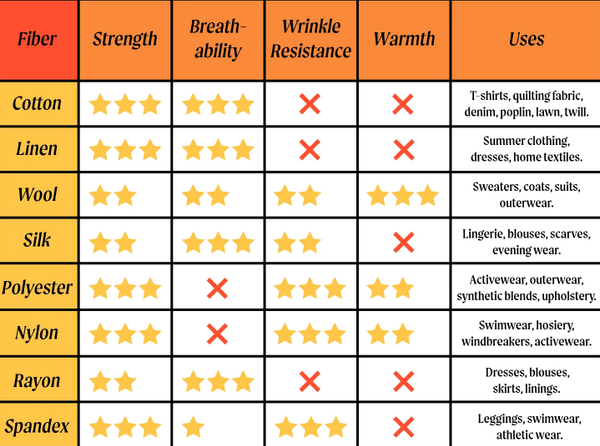
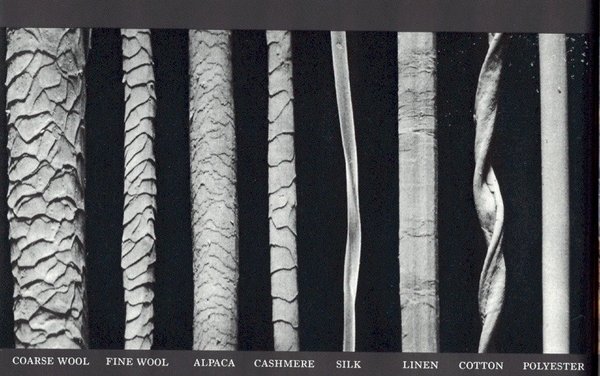
| Fiber composition | What the yarn is made of | Cashmere, wool, acrylic, cotton, blends |
What Buyers Should Ask Their Supplier
- What is the yarn count (Nm) and twist level?
- Can you provide fiber composition test reports?
- Is the yarn sourced directly from a mill or through traders?
For an in-depth explanation of yarn count and ply, read our Yarn Count (Nm) Explained guide.
3. The Details: Ribbing, Edges, and Finishing
The difference between a premium product and a mediocre one is often in the details.
Ribbing (For Beanies and Scarf Ends)
Ribbing is the elastic structure at the bottom of a beanie or the ends of a scarf. It's what keeps a beanie on your head and a scarf wrapped around your neck.
Quality indicators for ribbing:
- Should stretch to at least 1.5× its relaxed width
- Must return to original shape within 2-3 seconds
- No visible distortion after stretching
Edge Finishing
| Edge Type | Application | Quality Check |
|---|---|---|
| Ribbed edge (self-finish) | Knitted scarves, beanie cuffs | Even tension, no curling |
| Hemmed edge | Lightweight scarves | Consistent width, flat |
| Overlocked edge | Volume production | No skipped stitches |
| Fringe | Woven scarves (not knitted) | Even length, secure knots |
Crown Shaping (For Beanies)
The top of a beanie is where the knitting decreases to close the tube. Poor crown shaping creates a visible "nipple" or puckering.
Quality indicators for crown shaping:
- Smooth, flat top (for standard beanies)
- Even decreases (no visible bunching)
- Consistent across all pieces in the batch
4. The Risks: Common Quality Issues
Here are the most common quality problems buyers face with knitted scarves and beanies — and how to prevent them.
| Problem | Root Cause | Prevention |
|---|---|---|
| Pilling | Short fiber length, low twist, insufficient anti-pilling finish | Request pilling test (ISO 12945-2, Grade ≥3) |
| Dimensional deviation | Inconsistent tension, improper finishing | Specify tolerance (±2cm length, ±1cm width), approve first sample |
| Color variation | Dye lot differences, metamerism | Require lab dip approval, head-to-head confirmation |
| Ribbing loses elasticity | Poor yarn quality, incorrect tension | Test elasticity before bulk production |
| Crown puckering | Improper decrease calculation | Inspect first piece before full run |
| Skipped stitches | Machine tension issues, operator error | In-process inspection |
For a deeper dive into pilling causes and prevention, read our Knitted Scarf Pilling Guide.
5. The Checklist: What to Verify Before Ordering
Sampling Phase
- [ ] Confirm hand feel against your target
- [ ] Measure dimensions against spec sheet
- [ ] Test ribbing elasticity
- [ ] Approve color under standard light source (D65)
- [ ] Document all parameters for bulk reference
Bulk Production Phase
- [ ] Head-to-head color confirmation on first dye lot
- [ ] In-process dimensional checks (every 50-100 pieces)
- [ ] Random pilling test (if applicable)
- [ ] Final inspection before packing
Acceptance Standards (Reference)
| Parameter | Standard Tolerance |
|---|---|
| Length | ±2 cm |
| Width | ±1 cm |
| Pilling (ISO 12945-2) | Grade ≥3 (acceptable), Grade ≥4 (premium) |
| Color fastness - dry rubbing | Grade ≥4 |
| Color fastness - wet rubbing | Grade ≥3 |
| Shrinkage (after washing) | ≤5% (wool), ≤3% (cotton/synthetic) |
6. How to Evaluate a Knitted Product Factory
Before placing an order, assess your supplier on these five dimensions:
Technical Capability
- What knitting machine gauges do they have? (Finer gauge = finer products)
- Do they have in-house finishing? (Better quality control)
- Can they develop from a sketch or do they need a physical sample?
Quality System
- Do they have incoming yarn inspection?
- Do they perform first-piece approval?
- Are inspection records available for previous orders?
Compliance
- OEKO-TEX Standard 100? (Class II for adult scarves/beanies)
- BSCI or SMETA audit? (For European retailers)
- Can they provide test reports from accredited labs?
Commercial Reliability
- On-time delivery rate (ask for reference)
- Responsiveness during inquiry phase
- Willingness to provide trade references
Communication
- Clear technical English
- Proactive problem identification
- Realistic timeline commitments
For a complete list of warning signs, read our guide on 5 Red Flags When Evaluating a Knitting Factory.
7. Related Resources
- Yarn Count (Nm) Explained — How yarn specifications affect product performance
- Knitted Scarf Pilling Guide — Causes, grades, and prevention
- Knitted vs Woven Scarves — Understanding construction differences
- 5 Red Flags When Evaluating a Knitting Factory — How to choose reliable suppliers
- OEKO-TEX Standard 100 Guide — Certification requirements for EU and US markets
- Knitted Scarf & Beanie FAQ — Answers to common sourcing questions
8. Next Steps
Sourcing knitted products doesn't have to be risky. With the right quality framework and a reliable manufacturing partner, you can consistently deliver products that meet your brand standards.
This guide is part of our Quality Guide series.
We work with brands and buyers to produce quality knitted products — from first sample to bulk production. Contact us to discuss your next project →