Lab-Grade vs. Consumer-Grade Cashmere Authentication: What Actually Works

Lab-Grade vs. Consumer-Grade Cashmere Authentication: What Actually Works
Introduction
Not all cashmere authentication methods are created equal. A textile laboratory equipped with scanning electron microscopy and DNA sequencing can identify cashmere with near-certainty. A consumer armed with a smartphone and a lighter faces a significantly wider margin of error. The question is not which method works, but which method works at what level of confidence, and at what cost.
This article maps the full spectrum of cashmere authentication techniques, from the forensic-grade down to the folklore. It separates methods with published accuracy rates from those that circulate on forums without evidence. If you are sourcing cashmere scarves and need to verify supplier claims, our Sourcing Guide provides the procurement framework that complements the technical verification methods covered here.
The Authentication Spectrum
Cashmere authentication methods fall into four tiers based on equipment requirements, operator skill, accuracy, and what question they answer:
| Tier | Method | Accuracy | Cost per Test | Distinguishes |
|---|---|---|---|---|
| 1 — Forensic | DNA sequencing, SEM | >99% | $200–$800 | Species-level ID |
| 2 — Analytical Lab | Light microscopy + diameter | 93–97% | $50–$150 | Cashmere vs. wool |
| 3 — Consumer Tools | Digital microscope + burn test | 85–95% | $0–$50 | Animal vs. synthetic; cashmere vs. wool |
| 4 — Heuristic | Hand feel, label, price, brand | 50–70% | $0 | Rough screening only |
Tier 1: Forensic Methods
Scanning Electron Microscopy (SEM)
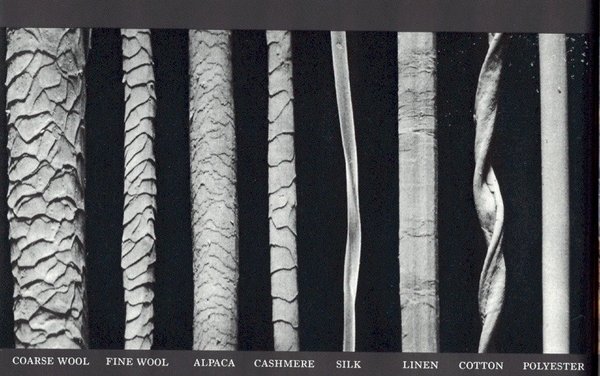
SEM produces high-resolution images of fiber surfaces at magnifications exceeding 10,000x. At this scale, the scale structure of cashmere versus wool becomes unambiguous. SEM also measures fiber diameter with sub-micron precision, adding a second diagnostic dimension. The combined image-plus-diameter analysis is the gold standard against which all other methods are benchmarked.
The drawback is practical, not technical. SEM equipment costs hundreds of thousands of dollars and requires trained operators. A single sample analysis runs $200–$400 at commercial textile labs. For a buyer evaluating a one-time bulk purchase of 1,000 scarves, this is a trivial insurance cost. For a consumer verifying a single $80 scarf, it is economically irrational.
DNA Sequencing
DNA-based fiber identification extracts genetic material from the fiber sample and amplifies species-specific markers through PCR. The result identifies the species of origin: Capra hircus (cashmere goat), Ovis aries (sheep), Vicugna pacos (alpaca), and so on. A 2023 study published in MDPI Fibers reported 99.85% accuracy for cashmere identification using NIR spectroscopy combined with DNA validation.
DNA sequencing is the only method that can definitively identify chemically treated fibers where scale structure has been destroyed. It is also the most expensive and slowest option, with turnaround times of 5–10 business days at commercial labs.
Tier 2: Analytical Laboratory Methods
Light Microscopy with Fiber Diameter Measurement
This is the workhorse of textile testing laboratories and the method specified by ISO 17751-1:2023. A trained analyst examines fiber samples under a light microscope at 200–500x magnification, identifying cashmere by scale morphology. Fiber diameter is measured using image analysis software or a projection microscope.
Published accuracy for this method ranges from 93.33% for pure cashmere textiles to 96.60% for cashmere-wool blends. The primary failure mode occurs with superfine merino wool under 17 microns, where scale structure overlaps with lower-grade cashmere. In these cases, the analyst must rely heavily on diameter data, which introduces judgment calls that reduce accuracy.
Most commercial textile testing labs offer this service at $80–$150 per sample with a 3–5 day turnaround. For importers verifying shipment quality, this is the standard approach. Our Quality Guide covers how to integrate lab testing into a broader quality assurance workflow.
Chemical Dissolution
Chemical dissolution exploits the different solubility profiles of animal fibers in specific reagents. Cashmere and wool both dissolve in sodium hydroxide, but at different rates and concentrations. The method is specified in parts of the Chinese national standard GB/T 18132. While less common than microscopy in Western labs, it remains widely used in Chinese textile testing facilities due to lower equipment costs.
Accuracy is comparable to light microscopy when performed by experienced technicians, but the method destroys the sample and cannot be cross-checked with microscopy afterward. Chemical dissolution also cannot distinguish between chemically treated and untreated fibers, as aggressive finishing processes alter solubility behavior.
Tier 3: Consumer-Accessible Methods
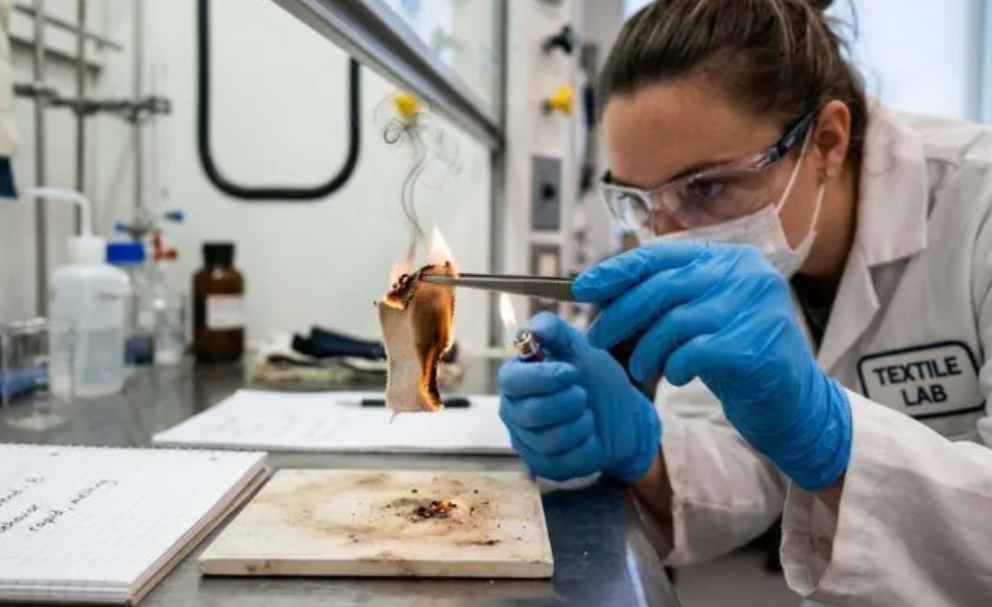
These are the methods covered in detail in our companion article on cashmere fiber identification. The burn test reliably distinguishes protein fiber from synthetic. A consumer digital microscope at 200x can distinguish cashmere from wool in most cases, with the superfine merino edge case as the known exception. When combined in sequence—burn test first, then microscopy—consumer methods can achieve estimated accuracy in the 85–95% range against common counterfeits.
The consumer approach fails when facing sophisticated fraud: chemically stripped wool, high-ratio cashmere-wool blends where wool fibers are selected for fine diameter, or fabric where only the surface layer contains cashmere and the core is acrylic. These are deliberate, high-effort counterfeits that target knowledgeable buyers who perform basic checks. For coverage of how surface treatments can deceive even experienced buyers, see our Knitwear Finishing Guide.
Tier 4: Heuristics — What Does Not Work
Several commonly cited authentication methods have no scientific basis and produce results no better than random chance:
The water absorption test. The claim: real cashmere absorbs water faster than synthetics. Reality: any hydrophilic fiber absorbs water. Cotton absorbs water faster than cashmere. This test tells you nothing about fiber type.
The static electricity test. The claim: rubbing cashmere produces less static than synthetics. Reality: ambient humidity is the dominant variable. On a dry winter day, cashmere produces significant static. On a humid summer day, polyester produces none. The test measures the weather, not the fiber.
Price alone. High price does not guarantee authenticity. Low price makes authenticity unlikely but not impossible (liquidation stock, secondhand markets). Entrupy's 2026 data shows counterfeits at every price tier, though concentration increases below $150 for cashmere scarves.
"The brand wouldn't lie." Brands mislabel fibers regularly, sometimes knowingly, sometimes because their own supply chain was compromised. The U.S. Federal Trade Commission issues multiple textile labeling violation settlements every year, including against established brands. Trust the fiber, not the logo.

Choosing Your Authentication Level
The right method depends on what is at stake:
Bulk importer, $20,000+ order: Tier 1 or Tier 2. Commission DNA or SEM analysis on a random sample before accepting shipment. The $200–$400 lab fee is less than 2% of order value and protects against a 100% loss if the fiber is fake.
Small brand, first order with a new supplier: Tier 2 minimum. Light microscopy with diameter measurement at a commercial lab. Request the full ISO 17751-1 report, not just a pass/fail certificate. A "pass" with high-diameter cashmere at the upper end of the specification is genuine but low-grade, which affects your product quality.
Individual buyer, assessing a purchase: Tier 3. Burn test plus microscopy gives you strong protection against common fraud. Accept that sophisticated counterfeits will defeat consumer methods and factor that risk into what you are willing to pay.
If you are working with a new factory and need to evaluate production capability in addition to fiber quality, our Factory Audit Checklist provides the on-the-ground verification framework.

The Counterfeit Landscape in Context
Entrupy's 2026 State of the Fake report, analyzing $3.7 billion in authenticated luxury goods, establishes the scale of the problem: 91.9% of items overall were authentic, but apparel diverged sharply with counterfeit rates reaching 35% in the highest-risk categories. For cashmere specifically, independent researchers estimate that 30–60% of products sold as "100% cashmere" on major online marketplaces contain significant quantities of non-cashmere fiber.
The fraud follows a hierarchy: pure acrylic sold as cashmere is the most common and crudest form. Wool sold as cashmere is the second tier, harder to detect but equally fraudulent. Cashmere-wool blends sold as pure cashmere represent the third tier, often involving just enough real cashmere to confuse consumer testing while padding margins with cheaper wool. The highest tier, rare but exists, is low-grade cashmere sold as premium grade, genuine in species but deceptive in quality.
Each tier requires a different level of testing sophistication to detect, which is why the authentication spectrum exists. If you understand what each method can and cannot catch, you can match your testing approach to the level of fraud you are most likely to encounter at your price point and sourcing channel.
Technical references: ISO 17751-1:2023; MDPI Fibers (2023) "Analytical Methods for the Identification and Quantitative Analysis of Animal Fibers"; Entrupy State of the Fake Report 2026; GB/T 18132 (Chinese National Standard for Cashmere); U.S. FTC Textile Labeling Rules.
Looking for verified cashmere scarf suppliers? Source scarves directly from Weave Essence.
Want to see more? Explore the online showroom.
Read more
Cashmere Scarf Origin Tariffs: China vs. Mongolia vs. Italy — HS Codes and Duty Rates Compared
Cashmere Scarf Origin Tariffs: China vs. Mongolia vs. Italy Compared Introduction Two identical cashmere scarves, same fiber grade, same weight, same construction. One lands from China. One lands from Mongolia. The duty bill differs by thousands of dollars per shipment. The origin label on the box, not the fiber inside
2026 Section 301 Scarf Tariffs: Current Rates, Hearing Updates, and Supply Chain Impact
2026 Section 301 Scarf Tariffs: Current Rates, Hearing Updates, and Supply Chain Impact Introduction A scarf landed from China into the United States in May 2026 does not pay a single tariff rate. It pays three. A baseline most-favored-nation (MFN) rate, a Section 301 surcharge from the original Trump-era trade
Scarf Fiber Warmth-to-Weight Ratio: Cashmere vs. Merino vs. Alpaca vs. Acrylic
Scarf Fiber Warmth-to-Weight Ratio: Cashmere, Merino, Alpaca, and Acrylic Compared Introduction Warmth is the primary functional promise of any winter scarf. Yet "warmth" is rarely defined in measurable terms when fibers are compared. A scarf is not warm in the abstract. It is warm at a given weight,
Why "100% Cashmere" Labels Lie: Blend Ratio Detection Explained
Why "100% Cashmere" Labels Lie: Blend Ratio Detection Explained Introduction A label that reads "100% Cashmere" is not a certificate. It is a claim, and claims in the cashmere supply chain are routinely false. Independent market surveys estimate that 30-60% of products sold as "100%