Knitted vs Woven Scarves: What Every Buyer Must Know

Knitted vs Woven Scarves: What Every Buyer Must Know
When sourcing scarves, one of the first decisions you will face is choosing between knitted and woven construction. The choice affects not only the look and feel of your product but also its performance, durability, care requirements, and cost.
This guide explains the fundamental differences between knitted and woven scarves and helps you decide which is right for your brand. For a complete quality framework, see our Ultimate Guide to Quality for Knitted Scarves & Beanies. For knitting basics, see our Knitting Basics: A Technical Guide for Buyers.
1. The Fundamental Difference
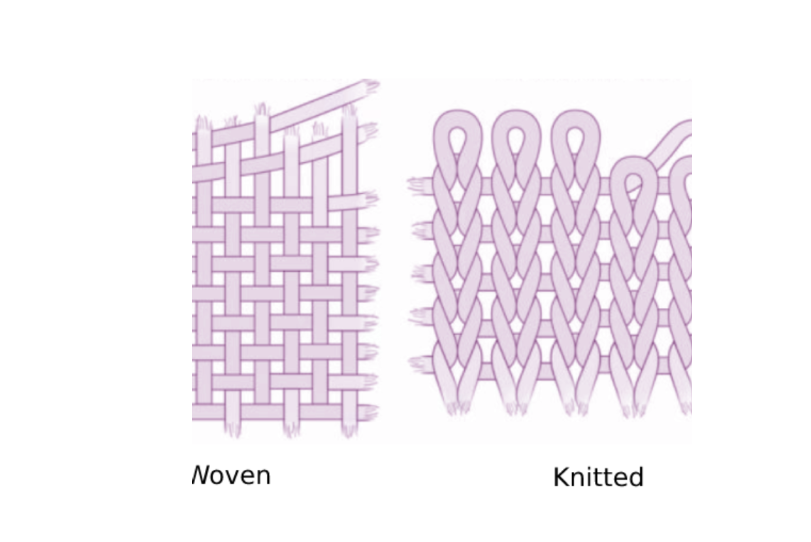
Knitted fabric: Made by interlocking loops of yarn. This looped structure gives knitted fabrics their characteristic stretch, softness, and comfort. Think of: a hand-knitted sweater, a cozy winter scarf, a beanie.
Woven fabric: Made by interlacing two sets of yarns at right angles — warp (lengthwise) and weft (crosswise). This crisscross structure creates a stable, flat fabric. Think of: a dress shirt, a silk scarf, a tablecloth.
2. Side-by-Side Comparison
Structure: Knitted = interlocking loops. Woven = warp and weft interlaced.
Stretch: Knitted = high (especially widthwise). Woven = very low (slight on bias).
Drape: Knitted = soft, body-hugging. Woven = variable, can be stiff or fluid.
Warmth: Knitted = excellent (traps air in loops). Woven = moderate (depends on fiber and weight).
Durability: Knitted = moderate (can snag). Woven = high (resists snagging).
Wrinkle resistance: Knitted = excellent. Woven = poor to moderate.
Edge curling: Knitted = tends to curl. Woven = does not curl.
Production speed: Knitted = slower. Woven = faster (for simple weaves).
Typical fibers: Knitted = wool, cashmere, acrylic, cotton. Woven = cotton, silk, polyester, linen.
For stitch structure details, see our Knit Structures Guide.
3. How to Identify Knitted vs Woven
Visual inspection — knitted: Look like tiny "V" shapes stacked vertically. Same pattern on both sides (may look different). Stretches easily in at least one direction.
Visual inspection — woven: Look like a checkerboard or basket weave. Distinct front and back (may look similar). Little to no stretch.
The stretch test: Gently pull the scarf widthwise. Knitted stretches noticeably — a 2×2 rib knit can stretch to 1.5x its relaxed width. Woven has very little stretch — may have slight give on the bias (diagonal).
The edge test: Knitted edges tend to curl inward (unless finished with ribbing). Woven edges lie flat or may fray (unless hemmed or finished).
The snag test: Lightly run your fingernail across the surface. Knitted yarn loops can be pulled, creating a snag. Woven surface is tight; snagging is rare.
For quality expectations, see our Ultimate Guide to Quality for Knitted Scarves & Beanies.
4. When to Choose Knitted Scarves
Best applications: Winter scarves (traps air for warmth). Casual, everyday wear (soft, comfortable, relaxed look). Chunky, textured designs (cable knits, rib stitches, surface interest). Beanies and accessories (stretch provides fit and comfort). Travel scarves (wrinkle-resistant, packs well).
Knitted scarf examples: Cashmere rib knit scarf (2×2 or 4×4 rib). Merino wool jersey scarf. Chunky cable knit scarf. Infinity scarf (tubular knit). Ribbed beanie (matching set).
Buyer considerations for knitted: Pilling risk higher than woven; specify anti-pilling finish. Dimensional stability can stretch or shrink; specify tolerances. Edge finishing requires ribbing or linking to prevent curl. Printing limited to jacquard (knitted-in pattern) or garment dye. Cost drivers: yarn quality, gauge (finer = more expensive), pattern complexity.
For pilling guidance, see our Knitted Scarf Pilling Guide.
5. When to Choose Woven Scarves
Best applications: Lightweight summer scarves (breathable, fluid drape). Printed designs (excellent print clarity). Formal or business wear (crisp, structured appearance). Silk scarves (smooth surface, high sheen). Promotional scarves (cost-effective for simple designs).
Woven scarf examples: Silk twill square (90×90cm). Cotton voile summer scarf. Printed polyester fashion scarf. Linen wrap. Cashmere woven blanket scarf.
Buyer considerations for woven: Fraying edges require hemming, overlocking, or fringe. Wrinkling — natural fibers (cotton, linen) wrinkle easily. Print cost — screen printing requires setup; digital printing has higher unit cost. Stretch very limited; fit must be precise. Cost drivers: weave complexity (jacquard > twill > plain), yarn count, printing method.
For color fastness, see our Color Fastness Guide.
6. Construction Characteristics Deep Dive
Knitted construction types: Jersey (plain knit) — single-sided, curls at edges — lightweight scarves, linings. Rib (1×1, 2×2, 4×4) — vertical stripes, high stretch — beanie cuffs, scarf ends, premium products. Interlock — double-knit, stable, no curl — mid-weight scarves. Cable — twisted stitches, thick texture — chunky winter scarves. Jacquard — pattern knitted in, both sides visible — branded scarves, complex designs.
Woven construction types: Plain weave — simplest, checkerboard — cotton scarves, lightweight basics. Twill — diagonal lines, drapes well — silk scarves, wool scarves. Satin — smooth, shiny surface — luxury silk scarves. Jacquard — complex patterns woven in — premium woven scarves, tartans. Dobby — small geometric patterns — textured cotton scarves.
For knit structures, see our Knit Structures Guide.
7. Care Requirements Comparison
Washing: Knitted — hand wash or dry clean recommended (unless treated). Woven — machine washable for cotton/polyester.
Drying: Knitted — lay flat to dry (do not hang). Woven — can hang or tumble dry low.
Ironing: Knitted — do not iron directly (use steam or press cloth). Woven — iron as needed.
Storage: Knitted — fold (do not hang, will stretch). Woven — fold or hang.
Pilling maintenance: Knitted — use fabric shaver or cashmere comb. Woven — rarely needed.
8. Cost Factors
Raw material: Similar (depends on fiber).
Production time: Knitted slower (especially for fine gauge). Woven faster (rapier looms).
Setup cost: Knitted — machine programming, gauge change. Woven — loom setup, pattern preparation.
Complexity premium: Knitted — jacquard, fine gauge, cable. Woven — jacquard, high thread count.
MOQ: Knitted — lower possible (50-200 pcs). Woven — higher typical (200-500 pcs).
For MOQ guidance, see our MOQ Guide for Knitted Scarves & Beanies.
9. Decision Matrix: Knitted or Woven?
If you need warmth for cold weather → choose knitted.
If you need a lightweight summer accessory → choose woven.
If you need a scarf that stretches for comfort → choose knitted.
If you need a scarf with a printed photograph or complex artwork → choose woven.
If you need a chunky, textured look → choose knitted.
If you need a crisp, professional appearance → choose woven.
If you need a beanie to match → choose knitted.
If you need a promotional scarf with simple logo → either (depends on quantity).
If you need a cashmere product → both possible (different hand feel).
10. Buyer's Action Summary
For knitted scarves: Specify yarn count (Nm) and ply. Request pilling test (ISO 12945-2, Grade ≥3). Confirm ribbing elasticity for ends/cuffs. Specify anti-pilling finish if needed. Agree on dimensional tolerances (length ±2cm, width ±1cm).
For woven scarves: Specify weave type (plain, twill, satin, jacquard). Confirm thread count (EPI and PPI). Request color fastness test (dry and wet rubbing). Specify edge finish (hem, overlock, fringe, hand-rolled). Confirm printing method and color accuracy.
For tech pack guidance, see our How to Write a Tech Pack.
11. Related Resources
- The Ultimate Guide to Quality for Knitted Scarves & Beanies
- Knitting Basics: A Technical Guide for Buyers
- Knit Structures Guide
- Yarn Count (Nm) Explained
- Knitting Gauge (GG) Guide
- Knitted Scarf Pilling Guide
- MOQ Guide for Knitted Scarves & Beanies
- The Complete Sourcing Guide for Knitted Scarves & Beanies
This guide is part of our Knitting Basics series.