Knitted Scarf Pilling: Causes, Grades, and How to Prevent It

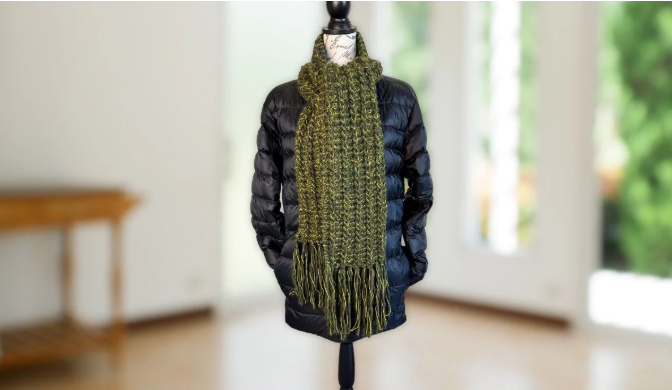
Few quality issues generate more consumer complaints than pilling. Those small, fuzzy balls that form on the surface of a knitted scarf or beanie can turn a premium product into a disappointment — even when the fiber quality is excellent.
This guide explains what causes pilling, how to read professional pilling test grades, and — most importantly — what buyers can specify to prevent pilling before bulk production begins. For a complete overview of all quality factors, see our Ultimate Guide to Quality for Knitted Scarves & Beanies.
1. What Is Pilling?
Pilling is the formation of small, dense balls of tangled fiber on the surface of a fabric. These pills are anchored to the fabric by stronger fibers that have not broken.
Key insight: Pilling is not always a sign of poor quality. Even high-grade cashmere pills. What matters is how much it pills and how soon.
2. What Causes Pilling in Knitted Products?
Pilling occurs through a four-stage process:
| Stage | Description |
|---|---|
| 1. Fiber migration | Loose fiber ends work their way to the fabric surface through wear and friction |
| 2. Tangling | Surface fibers entangle with neighboring fibers |
| 3. Ball formation | Tangled fibers compact into dense pills |
| 4. Retention | Pills remain anchored by strong fibers that do not break |
Factors That Increase Pilling Risk
| Factor | Why It Matters |
|---|---|
| Short fiber length | Short fibers migrate to the surface more easily |
| Low yarn twist | Loosely spun yarns release more fiber ends |
| Loose knit structure | More fiber mobility = more pilling |
| Soft finishing | Softeners can increase fiber mobility |
| High abrasion use | Scarves worn under coats face constant friction |
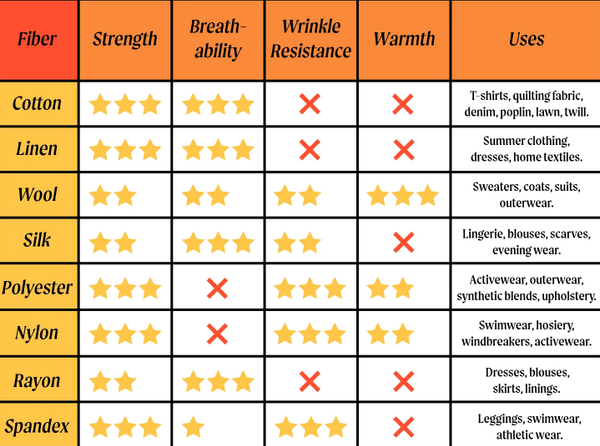
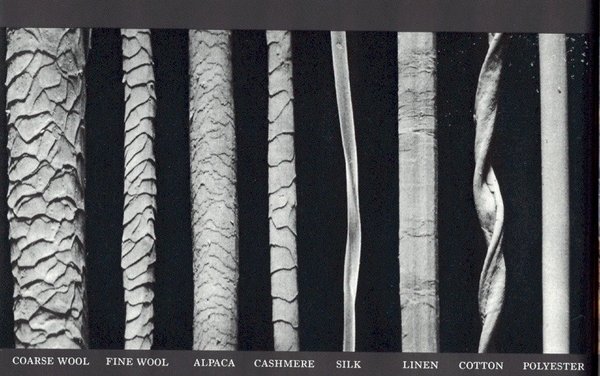
Fiber Comparison: Pilling Tendency
| Fiber | Pilling Tendency | Why |
|---|---|---|
| Cashmere | Moderate-High | Short, fine fibers |
| Merino wool | Moderate | Longer fibers, natural crimp |
| Standard wool | Moderate | Medium fiber length |
| Acrylic | High | Synthetic fibers tangle easily |
| Cotton | Low | Strong fibers break rather than tangle |
| Polyester | Low-Moderate | Strong, but can pill with low twist |
As explained in our Yarn Count guide, fiber diameter and yarn construction directly influence pilling performance.
3. How Pilling Is Measured: ISO 12945-2
The industry standard for pilling testing is ISO 12945-2: Modified Martindale Method.
How the Test Works
- A fabric sample is rubbed against a standard abrasive fabric
- Test runs for a set number of cycles (typically 2,000 or 5,000)
- The sample is compared against a standard rating scale
Pilling Grade Scale
| Grade | Description | What It Means for Your Product |
|---|---|---|
| 5 | No pilling | Excellent — no visible change |
| 4 | Slight pilling | Premium — very light surface fuzz |
| 3 | Moderate pilling | Acceptable — visible pills but not severe |
| 2 | Severe pilling | Unacceptable — dense pill coverage |
| 1 | Very severe pilling | Failure — completely covered |
What Buyers Should Specify
| Product Tier | Minimum Grade (2,000 cycles) | Minimum Grade (5,000 cycles) |
|---|---|---|
| Entry-level | Grade 3 | Not required |
| Mid-premium | Grade 3.5 | Grade 3 |
| Premium | Grade 4 | Grade 3.5 |
| Ultra-premium | Grade 4.5 | Grade 4 |
Note: Higher test cycles simulate longer wear. Premium products should pass at 5,000 cycles.
4. How to Prevent Pilling: A Buyer's Checklist
At the Yarn Stage
| Action | Why It Helps |
|---|---|
| Specify longer staple length | Longer fibers stay in the yarn |
| Choose higher twist yarn | Tighter twist locks fibers in place |
| Request two-ply yarn | Ply adds stability |
| Avoid low-twist (soft-spun) yarn for high-wear areas | Soft yarn sheds more fibers |
At the Knitting Stage
| Action | Why It Helps |
|---|---|
| Choose tighter knit structure | Less fiber mobility |
| Consider higher gauge (finer knit) | Denser fabric, fewer surface fibers |
| Avoid overly loose stitches | Loose structures release more fibers |
At the Finishing Stage
| Action | Why It Helps |
|---|---|
| Request anti-pilling finish | Chemical or mechanical treatment reduces pilling |
| Specify singeing (burning off surface fibers) | Removes loose fiber ends before they can pill |
| Avoid excessive softener | Softeners increase fiber mobility |
Anti-Pilling Finishing Methods
| Method | How It Works | Durability |
|---|---|---|
| Shearing/singeing (mechanical) | Physically removes surface fiber ends | Permanent |
| Bio-polishing (enzymatic) | Enzymes remove weak surface fibers | Permanent |
| Polymer coating (chemical) | Coating locks fibers in place | Degrades with washing |
Buyer beware: Polymer coatings pass initial testing but fail after 5-10 washes. Request test results before and after washing.
5. Questions to Ask Your Supplier
Before placing an order, ask these questions:
- "What is the fiber length (staple length) of your yarn?"
- Premium: >38mm
- Standard: 32-38mm
- Below 32mm: Higher pilling risk
- "What is the twist level (TPM) of your yarn?"
- Low twist: Softer but pills more
- Standard twist: Balanced
- High twist: Firmer, less pilling
- "Can you provide ISO 12945-2 test reports at 2,000 and 5,000 cycles?"
- Request reports for the actual production yarn, not standard samples
- "Do you apply anti-pilling finish? Which method?"
- Mechanical/enzymatic: Permanent
- Polymer coating: Temporary (degrades with washing)
- "Can you test pilling before and after 5 wash cycles?"
- This reveals whether the anti-pilling treatment is permanent
For a complete list of red flags when evaluating factories, see our guide on 5 Red Flags When Evaluating a Knitting Factory.
6. How to Read a Pilling Test Report
A professional test report should include:
| Information | What to Look For |
|---|---|
| Test standard | ISO 12945-2 (not ASTM or other) |
| Cycles | 2,000 and 5,000 cycles |
| Rating | Grade 3+ acceptable, Grade 4+ premium |
| Sample description | Matches your product specifications |
| Lab accreditation | ISO 17025 accredited lab preferred |
Red flags:
- No test report available
- Only 2,000 cycles tested (hides performance at 5,000)
- Tested on a different fabric (not your production fabric)
- Lab not accredited
7. Buyer's Action Summary
| Phase | Action |
|---|---|
| Specification | Specify minimum pilling grade (e.g., Grade ≥3.5 at 2,000 cycles) |
| Yarn selection | Choose longer staple, higher twist, two-ply yarn |
| Sample approval | Test pilling on production-representative sample |
| Bulk production | Request test report from production batch |
| Verification | Consider independent third-party testing for large orders |
8. Related Resources
- The Ultimate Guide to Quality for Knitted Scarves & Beanies — Complete quality framework for buyers
- Yarn Count (Nm) Explained — How yarn specifications affect product performance
- Knitted vs Woven Scarves — Understanding construction differences
- 5 Red Flags When Evaluating a Knitting Factory — How to choose reliable suppliers
- OEKO-TEX Standard 100 Guide — Certification requirements for EU and US markets
- Knitted Scarf & Beanie FAQ — Answers to common sourcing questions
9. Next Steps
Understanding pilling is the first step to preventing it. With the right specifications and a quality-focused manufacturing partner, you can deliver products that maintain their appearance through regular use.
This guide is part of our Quality Guide series. For more technical insights, explore our Technical resources.