Yarn Dyeing Methods Guide for Knitwear Buyers | Knitted Scarves & Beanies

Yarn Dyeing Methods Guide for Knitwear Buyers
The way yarn is dyed affects color consistency, color fastness, cost, and lead time. Different dyeing methods are suitable for different fiber types, product requirements, and order volumes.
This guide covers the most common yarn dyeing methods for knitted scarves and beanies — hank dyeing, package dyeing, space dyeing, and stock dyeing. For color fastness guidance, see our Color Fastness Guide. For sustainable materials, see our Sustainable Materials Guide.
1. Why Dyeing Method Matters for Buyers
- Color consistency: Some methods produce more uniform color
- Color fastness: Dye penetration affects rubbing and washing fastness
- Cost: Different methods have different cost structures
- Lead time: Dyeing method affects production timeline
- Minimum order quantity: Dye batch sizes vary by method
- Sustainability: Some methods use less water and energy
For buyers: The dyeing method your factory uses directly affects the final product's color quality and durability. Ask which method they use for your product.
For color standards, see our Color Fastness Guide.
2. Hank (Skein) Dyeing
Yarn is wound into loose hanks (skeins) and immersed in dye baths. The loose hanks allow dye to penetrate thoroughly between fibers.
Characteristics
- Color consistency: Excellent — most uniform dye penetration
- Color fastness: Excellent — dye penetrates fiber core
- Hand feel: Soft, no compression marks
- Cost: Higher (more labor, more water, more energy)
- Lead time: Longer (batch process)
- Minimum batch size: 10-50kg per color
Best For
- Premium cashmere and wool yarns
- Luxury scarves and beanies
- Products where hand feel is critical
- Small to medium batch sizes
- High color consistency requirements
When to Specify Hank Dyeing
- You are sourcing premium cashmere products
- Hand feel is your top priority
- You need the best possible color consistency
- You are willing to pay higher cost for better quality
3. Package (Cone) Dyeing
Yarn is wound onto perforated cones or packages. Dye liquor is circulated under pressure through the packages.
Characteristics
- Color consistency: Good (can have inner-to-outer variation)
- Color fastness: Good
- Hand feel: Slightly firmer (compression from package)
- Cost: Lower than hank dyeing
- Lead time: Shorter (more efficient process)
- Minimum batch size: 20-100kg per color
Best For
- Cotton, polyester, acrylic, and blends
- Mid-market scarves and beanies
- Larger batch sizes
- Cost-sensitive production
- Solid colors
When to Specify Package Dyeing
- You are sourcing cotton or synthetic products
- Cost is a primary consideration
- You are ordering larger quantities
- Hand feel is not the top priority
4. Space Dyeing
Yarn is dyed with multiple colors at intervals along the length, creating a variegated effect. The yarn is typically in hank form during dyeing.
Characteristics
- Color consistency: Not applicable (variegated by design)
- Color fastness: Good
- Hand feel: Soft
- Cost: Higher (specialized process)
- Lead time: Longer
- Minimum batch size: 20-50kg per color combination
Best For
- Fashion-forward, novelty scarves
- Ombre and multi-color effects
- Statement pieces
- Designer collections
When to Specify Space Dyeing
- You want a unique, variegated color effect
- Your design requires multiple colors along the yarn length
- You are willing to pay premium pricing
5. Stock (Fiber) Dyeing
Raw fiber is dyed before spinning into yarn. Different colored fibers are blended together to create melange (heather) effects.
Characteristics
- Color consistency: Good for melange effects
- Color fastness: Excellent (dye penetrates fiber before spinning)
- Hand feel: Soft, natural
- Cost: Higher (dyes fiber before spinning)
- Lead time: Longer (requires spinning after dyeing)
- Minimum batch size: 50-200kg per color blend
Best For
- Melange (heather) effects
- Wool and cashmere blends
- Premium casual wear
- Natural, tonal color effects
When to Specify Stock Dyeing
- You want a heathered or melange appearance
- You need excellent color fastness
- You are ordering larger quantities
- Hank dyeing: Color consistency = Excellent; Hand feel = Softest; Cost = Highest; Best for premium cashmere/wool
- Package dyeing: Color consistency = Good; Hand feel = Slightly firm; Cost = Lower; Best for cotton/synthetics, mid-market
- Space dyeing: Color consistency = Variegated; Hand feel = Soft; Cost = Higher; Best for fashion, novelty effects
- Stock dyeing: Color consistency = Good (melange); Hand feel = Soft; Cost = Higher; Best for heather/melange effects
7. Dyeing Method by Fiber Type
Cashmere
- Recommended: Hank dyeing (best hand feel, color consistency)
- Alternative: Stock dyeing (for melange effects)
- Avoid: Package dyeing (compression affects hand feel)
Wool
- Recommended: Hank dyeing or stock dyeing
- Alternative: Package dyeing for larger volumes
Cotton
- Recommended: Package dyeing (most cost-effective)
- Alternative: Hank dyeing for premium products
Polyester / Acrylic
- Recommended: Package dyeing (standard for synthetics)
- Alternative: Hank dyeing for small batches
Blends
- Recommended: Package dyeing (if compatible dyes exist)
- Alternative: Stock dyeing for melange blends
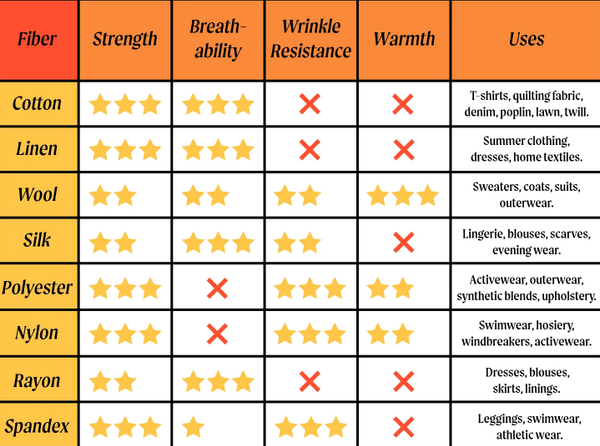
For fiber guidance, see our Sustainable Materials Guide.
8. Cost and Lead Time Comparison
Cost Ranking (Highest to Lowest)
- 1. Hank dyeing (most expensive)
- 2. Stock dyeing
- 3. Space dyeing
- 4. Package dyeing (least expensive)
Lead Time Ranking (Longest to Shortest)
- 1. Stock dyeing (requires spinning after dyeing)
- 2. Hank dyeing (batch process)
- 3. Space dyeing (specialized process)
- 4. Package dyeing (most efficient)
Minimum Batch Size (kg per color)
- Hank dyeing: 10-50kg
- Package dyeing: 20-100kg
- Space dyeing: 20-50kg
- Stock dyeing: 50-200kg
For cost analysis, see our Cost Breakdown Guide.
9. Buyer's Dyeing Method Checklist
- Confirm which dyeing method your supplier uses
- Ask for lab dip approval before bulk dyeing
- Request head-to-head confirmation on first dye lot
- Specify color tolerance (ΔE <1.5 for standard, <1.0 for premium)
- Request color fastness test reports (ISO 105)
- For premium cashmere, specify hank dyeing
10. Questions to Ask Your Supplier
- What dyeing method do you use for this fiber?
- Do you have in-house dyeing or subcontract?
- What is your minimum batch size per color?
- Can you provide lab dip samples before bulk?
- Do you perform head-to-head confirmation on first dye lot?
- What is your typical color tolerance (ΔE)?
For supplier evaluation, see our 5 Red Flags When Evaluating a Knitting Factory.
11. Related Resources
- Color Fastness Guide
- Yarn Count (Nm) Explained
- Sustainable Materials Guide
- The Ultimate Guide to Quality for Knitted Scarves & Beanies
- Compliance Guide for Knitted Scarves & Beanies
- Cost Breakdown Guide
- Sampling & Lead Time Guide
This guide is part of our Knitting Basics series.