Dimensional Tolerance Guide for Knitted Scarves & Beanies

Dimensional Tolerance Guide for Knitted Scarves & Beanies
One of the most common quality disputes between buyers and factories involves dimensions. A scarf that is 2cm shorter than specified. A beanie that is too tight or too loose. These problems are preventable — if you understand dimensional tolerances and specify them clearly.
This guide explains standard tolerances, how to specify them, and what to check during production. For a complete quality framework, see our Ultimate Guide to Quality for Knitted Scarves & Beanies. For inspection standards, see our Fabric Defect Identification Guide.
1. What Are Dimensional Tolerances?
A dimensional tolerance is the acceptable range of variation from the specified measurement. No manufacturing process is perfect — all products vary slightly. Tolerances define what variation is acceptable.
Example: A scarf specified at 180cm length with ±2cm tolerance can be 178cm to 182cm and still be accepted.
Why tolerances matter: Without tolerances, any deviation can be rejected. With tight tolerances, cost increases. With loose tolerances, product consistency suffers. Clear tolerances prevent disputes.
For quality expectations, see our Ultimate Guide to Quality for Knitted Scarves & Beanies.
2. Standard Tolerances by Product Type
Knitted scarves: Length: ±2 cm (standard), ±1 cm (premium), ±3 cm (entry-level). Width: ±1 cm (standard), ±0.5 cm (premium), ±1.5 cm (entry-level). Fringe length: ±1 cm (standard), ±0.5 cm (premium), ±1.5 cm (entry-level). Weight (GSM): ±5% (standard), ±3% (premium), ±7% (entry-level).
Knitted beanies: Height (crown to brim): ±1 cm (standard), ±0.5 cm (premium), ±1.5 cm (entry-level). Width (flat measurement): ±1 cm (standard), ±0.5 cm (premium), ±1.5 cm (entry-level). Circumference (stretched): ±2 cm (standard), ±1 cm (premium), ±3 cm (entry-level). Ribbing height: ±0.5 cm (standard), ±0.3 cm (premium), ±1 cm (entry-level).
For MOQ and cost implications, see our MOQ Guide for Knitted Scarves & Beanies.
3. Factors That Affect Dimensional Consistency
Yarn-related factors: Yarn tension variation creates length variation. Yarn count variation changes width and weight. Moisture content affects natural fibers that absorb moisture and expand. Relaxation — knitted fabrics relax after production, changing dimensions.
Production-related factors: Machine tension settings — incorrect settings cause uneven dimensions. Finishing processes — washing, milling, and drying affect size. Heat setting — critical for synthetic fibers (polyester, acrylic). Cutting method — hand cutting vs. machine cutting affects consistency.
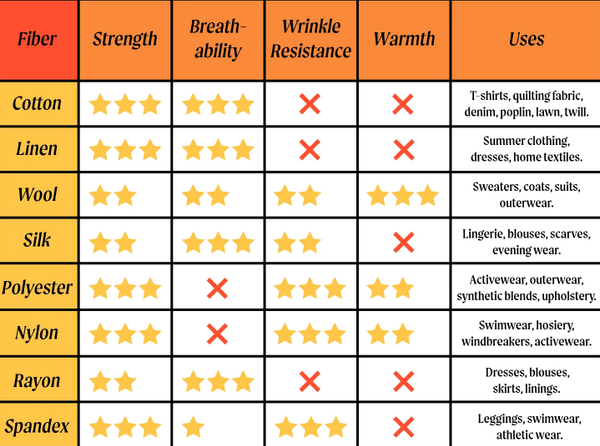
Fiber-related factors: Wool/cashmere — high shrinkage potential (up to 5-10% without treatment). Cotton — moderate shrinkage (3-5%). Synthetic (polyester, acrylic) — low shrinkage (1-2% with heat setting). Blends — variable depending on blend ratio.
For yarn selection guidance, see our Yarn Count (Nm) Explained guide.
4. Shrinkage: The Hidden Dimension Change
Shrinkage is dimensional change caused by washing or moisture. Knitted fabrics are especially prone to shrinkage because the loop structure can tighten.
Typical shrinkage rates by fiber: Wool/Cashmere: 8-15% untreated, <5% treated. Cotton: 5-8% untreated, <3% treated. Acrylic: 2-5% untreated, <2% treated. Polyester: 1-3% untreated, <1% treated.
How to specify shrinkage requirements: Test method: ISO 6330 (domestic washing) or AATCC 135. Acceptable limit: ≤5% for wool/cashmere, ≤3% for cotton/synthetic. Test cycles: 1 wash (standard), 5 washes (premium). Drying method: lay flat (standard), tumble dry (specify).
For compliance requirements, see our Compliance Guide for Knitted Scarves & Beanies.
5. How to Specify Tolerances in Your Tech Pack
DIMENSIONAL SPECIFICATION
- Length: 180 cm ±2 cm
- Width: 30 cm ±1 cm
- Fringe length: 8 cm ±1 cm
- Weight: 220 g/m² ±5%
- Shrinkage (ISO 6330, 1 wash): ≤5% length, ≤3% width
- Measurement condition: After 24hr relaxation at 65% RH, 20°C
Measurement conditions: Temperature: 20°C ±2°C. Humidity: 65% ±2% RH. Relaxation time: minimum 24 hours after production. No stretching or pulling during measurement.
For tech pack guidance, see our How to Write a Tech Pack.
6. Common Dimensional Problems and Causes
Length variation: Scarves in same batch different lengths — inconsistent knitting tension, uneven finishing. Prevention: in-process length checks, tension calibration.
Width variation: Scarves too narrow or wide — yarn count variation, tension issues. Prevention: yarn incoming inspection, regular width checks.
Beanie too tight/loose: Inconsistent fit across batch — ribbing tension variation, incorrect gauge. Prevention: first-piece approval, ribbing elasticity test.
Excessive shrinkage: Product smaller after washing — no pre-shrinking, insufficient heat setting. Prevention: pre-shrink fabric, test shrinkage before bulk.
Uneven edges: Wavy or curled edges — incorrect finishing tension. Prevention: stenter frame calibration, edge trimming.
Bow and skew: Pattern lines curved or diagonal — uneven tension across fabric width. Prevention: tension monitoring, finishing control.
For defect identification, see our Fabric Defect Identification Guide.
7. Inspection and Measurement Protocol
Sample size: Standard: measure 5-10 pieces per 100 pieces. Premium: measure 10-20 pieces per 100 pieces. First piece: measure every piece at start of production.
Measurement points: Scarf length: measure from edge to edge (excluding fringe). Scarf width: measure at three points (both ends and middle). Fringe length: measure from fabric edge to fringe end. Beanie height: measure from crown to brim. Beanie width: measure flat across (unstretched).
Accept/reject criteria: All measurements within tolerance: accept. Any measurement outside tolerance: reject or rework. Pattern of variation: investigate root cause.
For AQL standards, see our Ultimate Guide to Quality for Knitted Scarves & Beanies.
8. Buyer's Dimensional Checklist
Before production: Specify all dimensions with clear tolerances. Define measurement conditions (temperature, humidity, relaxation). Agree on shrinkage test method and acceptable limits. Approve first-piece measurement.
During production: Request in-process dimensional checks (every 50-100 pieces). Measure samples from each production batch. Check shrinkage on first finished pieces.
Before shipment: Final inspection includes dimensional check. Verify shrinkage test results. Document measurements for reference.
For supplier evaluation, see our 5 Red Flags When Evaluating a Knitting Factory.
9. Questions to Ask Your Factory
- What are your standard dimensional tolerances?
- Do you perform in-process dimensional checks?
- How do you control shrinkage?
- Can you provide shrinkage test reports?
- What is your measurement protocol?
10. Related Resources
- The Ultimate Guide to Quality for Knitted Scarves & Beanies
- Sampling & Lead Time Guide
- MOQ Guide for Knitted Scarves & Beanies
- Yarn Count (Nm) Explained
- Knitting Gauge (GG) Guide
- Fabric Defect Identification Guide
- How to Write a Tech Pack
This guide is part of our Quality Guide series.