Frequently Asked Questions About Knitted Scarves & Beanies

Here are answers to the most common questions buyers ask when sourcing knitted scarves and beanies. This page is updated regularly as new questions come up. For a complete quality framework, see our Ultimate Guide to Quality for Knitted Scarves & Beanies.
1. What is the difference between knitted and woven scarves?
Knitted scarves are made by interlocking loops of yarn, which gives them stretch, softness, and a cozy feel. Woven scarves are made by interlacing warp and weft yarns at right angles, which makes them more structured, thinner, and less elastic.
For buyers: Choose knitted for warmth and comfort. Choose woven for lightweight, printed designs.
For a detailed comparison, see our guide on Knitted vs Woven Scarves.
2. Why does my cashmere scarf pill?
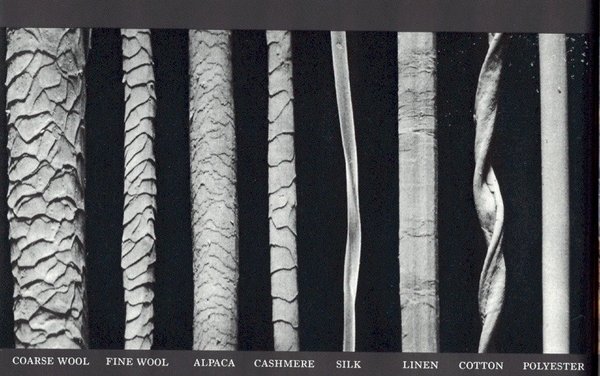
Pilling is a natural characteristic of short-staple fibers like cashmere. It occurs when loose fiber ends work their way to the surface and tangle into small balls.
What is acceptable? Grade 3-4 on the ISO 12945-2 pilling scale is considered normal for premium cashmere. Grade 4.5+ indicates special anti-pilling treatment.
Prevention: Choose longer-staple fibers, higher twist yarns, or request anti-pilling finishing.
For an in-depth explanation, read our Knitted Scarf Pilling Guide.
3. What is the typical MOQ for custom knitted beanies?
Typical MOQ ranges from 100 to 500 pieces per color, depending on the complexity of the design and yarn type.
| Factor | Impact on MOQ |
|---|---|
| Simple design (solid color, basic rib) | Lower MOQ (100-200 pcs) |
| Complex design (jacquard, multiple colors) | Higher MOQ (300-500 pcs) |
| Custom yarn color (dyed to match) | Higher MOQ (200-300 pcs) |
| Stock yarn color | Lower MOQ (100-200 pcs) |
For startups: Some factories offer low MOQ programs starting at 50 pieces per color.
4. How do I verify OEKO-TEX certification?
Ask your supplier for the certificate number and verify it directly at oeko-tex.com → Buying Guide → Certified Products.
What to check:
- The certificate covers Class II products (for adult scarves and beanies)
- The facility name matches your supplier
- The certificate is still valid (issued within the last 12 months)
For complete certification guidance, see our OEKO-TEX Standard 100 Guide.
5. What is the standard tolerance for scarf dimensions?
| Dimension | Standard Tolerance | Premium Tolerance |
|---|---|---|
| Length | ±2 cm | ±1 cm |
| Width | ±1 cm | ±0.5 cm |
| Fringe length | ±1 cm | ±0.5 cm |
Note: Always specify tolerances in your tech pack before production begins.
6. How long does sampling take?
| Sample Type | Typical Timeline |
|---|---|
| Hand-knitted sample (concept only) | 5-7 days |
| Lab dip (color only) | 3-5 days |
| Production sample (final materials) | 10-15 days |
Total development time: 3-5 weeks from initial inquiry to approved sample.
7. What do 3gg, 5gg, 7gg, and 12gg mean?
GG (gauge) refers to the number of needles per inch on a knitting machine.
| Gauge | Knit Appearance | Best For |
|---|---|---|
| 3gg | Chunky, thick, open stitch | Heavy winter scarves |
| 5gg | Medium-chunky | Standard winter scarves |
| 7gg | Medium, balanced | Everyday scarves, beanies |
| 12gg | Fine, dense, detailed | Fine gauge beanies, lightweight scarves |
| 14gg+ | Very fine, smooth | Premium lightweight knits |
Buyer tip: Finer gauge (higher number) = more knitting time = higher cost.
For guidance on yarn selection, read our Yarn Count (Nm) Explained guide.
8. How to prevent color bleeding on first wash?
For consumers:
- Wash in cold water
- Use mild detergent
- Add a color-catching sheet for dark colors
- Do not soak for extended periods
For brands:
- Specify wet rubbing fastness ≥ Grade 3 in your tech pack
- Request color fastness test reports before bulk production
- Dark colors (navy, black, burgundy) naturally have lower wet rubbing fastness
9. What is the difference between machine washable and hand wash only?
| Care Label | What It Means | Buyer Consideration |
|---|---|---|
| Machine washable | Wool has been treated to prevent felting (chlorine or polymer coating) | Higher cost, but better consumer experience |
| Hand wash only | No anti-felting treatment | Lower cost, but consumers must follow care instructions |
| Dry clean only | Delicate fibers (cashmere, silk) | Highest cost, most restrictive |
Note: GOTS-certified products cannot use chlorine-based anti-felting treatments.
10. How do I know if a factory is reliable?
Evaluate on five dimensions:
| Dimension | What to Check |
|---|---|
| Technical capability | Machine gauge range, in-house finishing, development experience |
| Quality system | Incoming inspection, first-piece approval, records |
| Compliance | OEKO-TEX, BSCI, test reports |
| Commercial reliability | On-time delivery rate, trade references |
| Communication | Responsiveness, technical English, realistic timelines |
Red flags: No quality records, unwilling to provide references, unrealistic pricing.
For a complete list of warning signs, see our guide on 5 Red Flags When Evaluating a Knitting Factory.
11. What is the typical lead time for bulk production?
| Stage | Duration |
|---|---|
| Yarn sourcing | 5-15 days |
| Yarn dyeing | 7-14 days |
| Knitting production | 15-30 days |
| Finishing | 5-10 days |
| Packing & inspection | 5-7 days |
| Total | 35-75 days (excluding shipping) |
Peak season (June-October): Add 2-4 weeks for dye house queues.
12. What certifications do I need for EU and US markets?
| Market | Recommended Certifications |
|---|---|
| EU | OEKO-TEX Standard 100 (Class II), REACH SVHC compliance |
| US | OEKO-TEX Standard 100 (voluntary), FTC labeling compliance |
| UK | OEKO-TEX Standard 100, UK REACH |
| Global brands | GOTS (organic), GRS (recycled), RWS (wool) |
For detailed certification guidance, see our OEKO-TEX Standard 100 Guide.
13. How to calculate landed cost for knitted products?
Landed cost = FOB price + ocean freight + insurance + import duties + VAT/taxes
Example for EU import:
- FOB price: $10.00
- Ocean freight: $1.50
- Insurance: $0.20
- Import duty (12%): $1.40
- VAT (20%): $2.60
- Total landed cost: $15.70
14. What is the difference between fully fashioned and cut-and-sew?
| Method | Description | Quality | Cost |
|---|---|---|---|
| Fully fashioned | Knitted to shape, no cutting | Higher (no seams, better edge) | Higher |
| Cut-and-sew | Knitted in panels, then cut and sewn | Standard (has seams) | Lower |
Buyer tip: Fully fashioned is the mark of premium knitwear.
15. Can I request a sample before placing a bulk order?
Yes. Professional factories offer sample development services.
Sample costs:
- Basic sample (stock yarn, simple design): $30-100
- Complex sample (custom yarn, jacquard): $100-300
- Sample cost is typically refundable upon bulk order
Related Resources
- The Ultimate Guide to Quality for Knitted Scarves & Beanies — Complete quality framework for buyers
- Yarn Count (Nm) Explained — How yarn specifications affect product performance
- Knitted Scarf Pilling Guide — Causes, grades, and prevention
- Knitted vs Woven Scarves — Understanding construction differences
- 5 Red Flags When Evaluating a Knitting Factory — How to choose reliable suppliers
- OEKO-TEX Standard 100 Guide — Certification requirements for EU and US markets
Have more questions?
This FAQ is updated regularly. If you have a question not answered here, feel free to reach out.
This FAQ is part of our FAQ resource.
We manufacture both knitted and woven scarves. Contact us to discuss your project →