OEKO-TEX Standard 100 for Knitted Scarves & Beanies: A Buyer's Guide

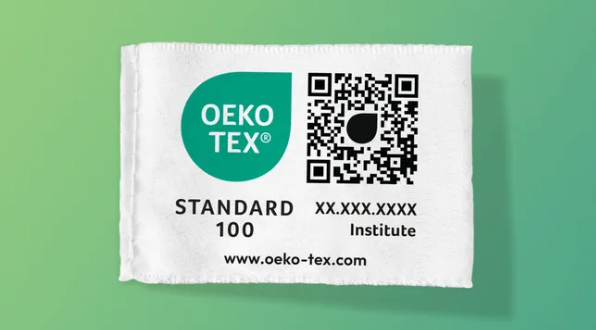
OEKO-TEX Standard 100 guide cover - certification requirements for knitted scarves and beaniesIf you have sourced textile products for European or North American markets, you have likely encountered the OEKO-TEX label. But what does it actually mean? Is it mandatory? How do you verify that your supplier's certificate is valid?
This guide answers these questions and more. For a complete quality framework, see our Ultimate Guide to Quality for Knitted Scarves & Beanies.
1. What Is OEKO-TEX Standard 100?
OEKO-TEX Standard 100 is a global certification system for textiles tested for harmful substances. It was developed by the OEKO-TEX Association, headquartered in Zurich, Switzerland, with member institutes in Europe, Asia, and North America.
Key principle: Every component of a certified product — fiber, yarn, fabric, buttons, zippers, labels, threads — must be tested and comply with OEKO-TEX limits.
What It Covers
| Substance Category | Examples |
|---|---|
| Formaldehyde | Preservatives, finishing agents |
| Heavy metals | Lead, cadmium, chromium, nickel |
| Pesticides | Chemicals used in cotton farming |
| Chlorinated phenols | PCP, TeCP (preservatives) |
| Phthalates | Plasticizers in prints, coatings |
| PFAS | Water-repellent finishes |
| Azo dyes | Dyes that can release carcinogenic amines |
| Allergenic dyes | Certain disperse dyes |
| Organotin compounds | TBT, DBT (anti-microbial agents) |
What It Does NOT Cover
- Environmental impact of production (water, energy, emissions)
- Worker social conditions (wages, hours, safety)
- Animal welfare (for wool, cashmere)
- Carbon footprint
For those aspects, other certifications exist: GOTS (environmental + social), RWS (animal welfare for wool), BSCI (social compliance).
2. Product Classes for Scarves and Beanies
OEKO-TEX Standard 100 divides products into four classes based on skin contact.
| Class | Description | Application |
|---|---|---|
| Class I | Products for babies and toddlers under 36 months | Baby scarves, infant accessories |
| Class II | Products with direct and prolonged skin contact | Adult scarves, beanies, neck warmers |
| Class III | Products without direct skin contact | Outerwear linings, decorative scarves |
| Class IV | Decoration materials | Display scarves, packaging |
For adult knitted scarves and beanies, Class II is the relevant category.
Class II limits are stricter than Class III and Class IV but less strict than Class I.
Selected Limits for Class II
| Substance | Limit (Class II) |
|---|---|
| Formaldehyde | 75 mg/kg |
| pH value | 4.0 – 7.5 |
| Lead (total content) | 90 mg/kg |
| Cadmium | 40 mg/kg |
| Nickel (release) | 0.5 mg/cm²/week |
| Chromium VI | 0.5 mg/kg |
| AZO dyes (carcinogenic amines) | Not detectable (<20 mg/kg) |
3. How to Read an OEKO-TEX Certificate
Certificate Number Format
A valid OEKO-TEX certificate number looks like this:
XXXXXX – TESTEX – 24 – 123456
- XXXXXX: Product category code
- TESTEX: Issuing institute
- 24: Year of issue (2024)
- 123456: Sequential number
What a Certificate Shows
| Information | What to Check |
|---|---|
| Certificate holder | Must match your supplier's legal name |
| Product category | Must match your product type (e.g., "knitted scarves") |
| Material composition | Must match your fiber content |
| Product class | Must be Class II (for adult scarves/beanies) |
| Issue date | Should be within last 12 months |
| Expiry date | Typically 12 months from issue |
| Testing institute | OEKO-TEX authorized (e.g., TESTEX, Hohenstein, Swissatest) |
Example Certificate Entry
Certificate Number: 12345 – TESTEX – 25 – 67890
Holder: Weave Essence Co., Ltd.
Product Category: Knitted scarves, beanies, and accessories
Material: 100% cashmere, 100% merino wool, 100% acrylic, blends
Product Class: II
Issued: 2025-01-15
Expires: 2026-01-14
4. How to Verify an OEKO-TEX Certificate
Never trust a certificate just because your supplier shows you a PDF. Always verify directly with OEKO-TEX.
Verification Steps
- Go to the OEKO-TEX website:
www.oeko-tex.com - Navigate to "Buying Guide" or "Certified Products"
- Enter the certificate number
- Compare the result with what your supplier provided
What to Verify
| Item | What to Check |
|---|---|
| Certificate holder | Does the name match your supplier? |
| Product category | Does it include your product type? |
| Material composition | Does it cover your fiber content? |
| Product class | Is it Class II (for adult products)? |
| Status | Is it active (not expired or suspended)? |
| Testing institute | Is it a recognized OEKO-TEX institute? |
Red Flags
- Certificate number not found in online database
- Certificate holder name different from supplier
- Product category does not include your product
- Certificate expired
- Certificate is for Class III or IV only (not sufficient for skin contact)
- Supplier refuses to provide certificate number for verification
For a complete list of red flags when evaluating suppliers, see our guide on 5 Red Flags When Evaluating a Knitting Factory.
5. Common Buyer Mistakes
Mistake 1: Assuming OEKO-TEX Is Mandatory
OEKO-TEX Standard 100 is voluntary. No law requires it. However, many European retailers and brands require it as a condition of doing business.
Reality: It is functionally mandatory for selling to many EU buyers, even if not legally required.
Mistake 2: Thinking One Certificate Covers Everything
An OEKO-TEX certificate is specific to the product category, material, and manufacturing site.
| This certificate... | Does NOT certify... |
|---|---|
| For 100% cashmere | A wool product from the same factory |
| For knitted scarves | Woven scarves from the same factory |
| For Factory A | Factory B (even under same company) |
Mistake 3: Not Checking the Product Class
Some suppliers hold Class III or Class IV certificates but label their products as "OEKO-TEX certified" without specifying the class. Adult skin-contact products (scarves, beanies) require Class II.
Mistake 4: Accepting Expired Certificates
OEKO-TEX certificates expire after 12 months. An expired certificate means the product has not been retested for the past year.
6. OEKO-TEX vs Other Certifications
| Certification | Focus | Relevance for Scarves & Beanies |
|---|---|---|
| OEKO-TEX Standard 100 | Harmful substances in finished product | Essential for EU market |
| OEKO-TEX LEATHER | Same for leather | Not relevant (leather is rare for scarves) |
| OEKO-TEX STeP | Sustainable production (environment + social) | Nice to have, not required |
| GOTS | Organic fibers + environmental processing + social | Required for "organic" claims |
| GRS | Recycled content + social + environmental | Required for recycled claims |
| RWS | Animal welfare for wool | Required for wool/cashmere ethical claims |
| BSCI / SMETA | Social compliance (factory audits) | Often required by European retailers |
Which Certifications Do You Need?
| Market | Recommended Certifications |
|---|---|
| EU retail | OEKO-TEX Standard 100 (Class II) minimum |
| EU premium / sustainable | OEKO-TEX + GOTS or GRS or RWS |
| US retail | OEKO-TEX (voluntary, but helpful) |
| UK retail | OEKO-TEX + possibly BSCI |
| Brand with sustainability claims | OEKO-TEX + relevant fiber certification |
7. Buyer's Action Checklist
Before Quoting
- [ ] Ask supplier for OEKO-TEX certificate number
- [ ] Verify certificate online at oeko-tex.com
- [ ] Confirm product class is Class II
- [ ] Confirm product category includes your product type
- [ ] Confirm certificate holder matches supplier name
During Sampling
- [ ] Request that samples be produced from certified materials
- [ ] Ask for certificate update if sample material differs from bulk
Before Bulk Production
- [ ] Verify certificate is still active (not expired)
- [ ] Confirm the certificate covers the specific fiber content you are ordering
- [ ] Request a copy of the certificate for your records
Upon Shipment
- [ ] Include certificate reference on commercial invoice
- [ ] Keep verification screenshot in your compliance file
8. Questions to Ask Your Supplier
- "What is your OEKO-TEX certificate number?"
- Verify it online before proceeding.
- "Which product class does your certificate cover?"
- Must be Class II for adult scarves and beanies.
- "Does your certificate cover the specific fiber content we are ordering?"
- Some certificates are limited to specific materials.
- "Can you provide a letter of confirmation that this order is produced under your OEKO-TEX certification?"
- Large buyers often require this.
- "When does your certificate expire?"
- Ensure it remains valid through your production and delivery timeline.
9. Cost Implications
OEKO-TEX certification costs the factory money. These costs include:
| Cost Item | Typical Range |
|---|---|
| Initial testing | $500 – $2,000 per product category |
| Annual renewal | $300 – $1,000 |
| Batch testing (for new materials) | $200 – $500 per material |
These costs are typically absorbed by the factory but may affect pricing for smaller orders.
10. What If Your Supplier Is Not Certified?
If your preferred supplier does not have OEKO-TEX certification, you have options:
Option 1: Request Certification
Ask if they are willing to get certified. The process takes 2-4 months. You may need to share the cost or guarantee volume.
Option 2: Use a Certified Alternative
Find another factory that already holds certification.
Option 3: Third-Party Testing
If certification is not feasible, you can contract an independent lab (SGS, Intertek, Bureau Veritas) to test your specific production for harmful substances. This is more expensive per batch but does not require factory certification.
11. Related Resources
- The Ultimate Guide to Quality for Knitted Scarves & Beanies — Complete quality framework for buyers
- Yarn Count (Nm) Explained — How yarn specifications affect product performance
- Knitted Scarf Pilling Guide — Causes, grades, and prevention
- Knitted vs Woven Scarves — Understanding construction differences
- 5 Red Flags When Evaluating a Knitting Factory — How to choose reliable suppliers
- Knitted Scarf & Beanie FAQ — Answers to common sourcing questions
12. Next Steps
OEKO-TEX Standard 100 is the entry ticket to European and many North American retail markets. Understanding how to verify certificates and what they cover protects you from counterfeit claims and ensures your products meet market requirements.
This guide is part of our Sourcing Tips series.
We maintain OEKO-TEX Standard 100 Class II certification for our knitted products. Contact us to request our certificate →