Wool Sustainability Guide for Knitted Scarves & Beanies

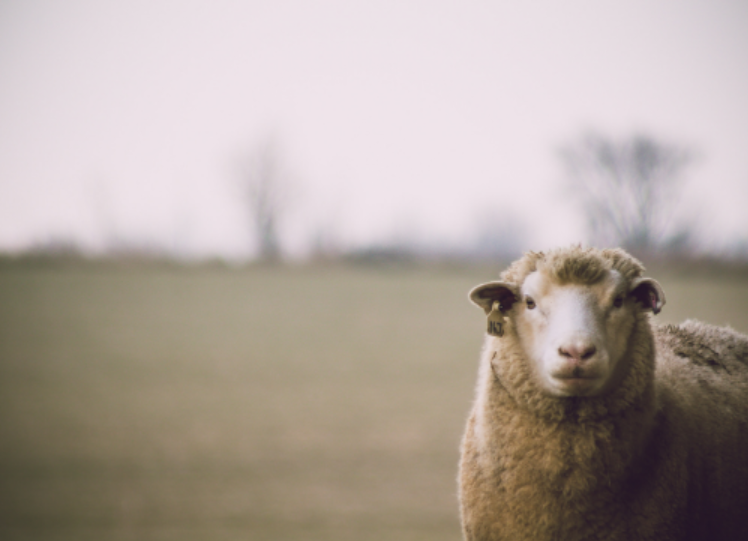
Wool Sustainability Guide for Knitted Scarves & Beanies
Wool is a natural, renewable, and biodegradable fiber — but not all wool is equally sustainable. Animal welfare, land management, chemical use in processing, and carbon footprint vary significantly by sourcing region and farming practices.
This guide explains wool sustainability certifications (RWS, ZQ, Non-mulesing), environmental impact comparisons, and how to source responsible wool for scarves and beanies. For an overview of all sustainable fiber options, see our Sustainable Materials Guide.
1. The Sustainability Paradox of Wool
Wool has inherent sustainability advantages over synthetic fibers, but also carries environmental and ethical risks that vary by source.
Advantages of Wool:
- Renewable & biodegradable — Wool grows on sheep annually and biodegrades in soil within months to years
- Durable & long-lasting — Quality wool garments last 5-10+ years with proper care (see Knitwear Care Guide)
- Naturally odor-resistant — Wool's antimicrobial properties reduce washing frequency, lowering water and energy use
- Renewable resource — No fossil fuel feedstock required, unlike polyester or acrylic
Risks & Negative Impacts:
- Mulesing — Painful surgical procedure used in Australian wool production to prevent flystrike
- Land degradation & overgrazing — Poorly managed sheep farms can cause soil erosion, desertification, and biodiversity loss
- Methane emissions — Sheep produce methane (a potent greenhouse gas) through enteric fermentation
- Chemical processing — Raw wool requires scouring (degreasing) with detergents; dyeing and finishing add environmental burden
Global wool production is approximately 1.1 million metric tons annually. Australia (25%), China (18%), and New Zealand (8%) are the largest producers. Only 3-5% of global wool is certified under responsible standards like RWS.
2. Wool Carbon Footprint: A Complex Picture
Wool's carbon footprint varies dramatically by farming system, region, and how biogenic carbon is accounted.
| Region / System | kg CO₂e per kg wool | Notes |
|---|---|---|
| Australia (conventional, sheep station) | 25-40 | High methane, land use change, transport |
| New Zealand (pasture-based) | 18-25 | Lower methane per kg wool, better grazing management |
| South Africa (non-mulesing, karoo) | 20-30 | Variable, arid region challenges |
| UK / Europe (small farm) | 15-25 | Lower intensity, but smaller scale |
| RWS-certified (mixed regions) | 18-35 | RWS does not set carbon limits; varies by farm |
Organic cotton: 3-6 kg CO₂e | Conventional cotton: 4-8 kg CO₂e | rPET: 1.5-2.5 kg CO₂e | Acrylic: 6-10 kg CO₂e. Wool's high carbon footprint is partially offset by durability and biodegradability — a longer-lasting wool garment may have lower lifetime impact than multiple synthetic replacements.
3. Wool Certification Standards
Several certification standards address different aspects of wool sustainability. For knitted scarves and beanies sold in EU, US, or UK markets, RWS is the most widely accepted standard.
Responsible Wool Standard (RWS) — Most Comprehensive
Developed by Textile Exchange, RWS is the leading certification for wool sustainability. Learn more in our GOTS, GRS & RWS Guide.
RWS Requirements:
- Animal welfare: Prohibits mulesing, requires five freedoms, limits stocking densities
- Land management: Soil conservation, water quality protection, biodiversity preservation
- Chain of custody: Transaction certificates from farm to finished product
- Social criteria: Worker safety, fair wages, no child labor
- Labeling: "Made with X% RWS-certified wool"
Other Wool Certifications:
| Certification | Scope | Key Features |
|---|---|---|
| ZQ (New Zealand) | New Zealand wool only | Animal welfare, environmental, social — comparable to RWS, NZ-specific |
| Non-Mulesing | Animal welfare only | Certifies no mulesing performed; no land or carbon criteria |
| KRAF (South Africa) | South Africa wool only | Non-mulesing certification for Karoo region wool |
| Oeko-TEX (for wool) | Processing only | Tests for harmful substances in finished wool — does not cover farming |
Use RWS for wool scarves and beanies sold in EU or US markets. RWS is the most recognizable certification and covers all key sustainability dimensions. For New Zealand-sourced wool, ZQ is equally credible.
4. The Mulesing Issue Explained
Mulesing is a controversial practice in Australian wool production that has led to retail boycotts and legislation in some markets.
What is Mulesing?
Mulesing is the surgical removal of skin folds from a sheep's breech (rear end) without anesthesia, performed to prevent flystrike (cutaneous myiasis) — a painful condition where blowflies lay eggs in soiled wool, leading to maggot infestation and often death.
Key Facts:
- Approximately 70% of Australian wool comes from mulesed sheep (source: Australian Wool Innovation, 2023)
- Mulesing is banned in New Zealand, UK, Europe, South Africa, and most other wool-producing countries
- Several retailers ban mulesed wool: H&M, Zara, Patagonia, The North Face, and many luxury brands
- Pain relief (anesthesia) is not required under Australian industry standards, though some farmers use topical analgesics
The EU is considering animal welfare labeling requirements that would disclose mulesing. Some US states (California) have proposed bans on products from mulesed sheep. Sourcing non-mulesing wool reduces regulatory risk.
Sourcing Non-Mulesing Wool:
- Look for RWS (prohibits mulesing) or Non-Mulesing certification
- Source from New Zealand, South Africa (KRAF), UK, Europe, or South America — where mulesing is banned or rare
- Australian non-mulesing wool exists but is a small percentage (~10-15% of Australian clip)
- Ask your supplier for a non-mulesing declaration and supporting documentation
5. Recycled Wool vs Virgin Wool
Recycled wool (also called shoddy) is made from post-industrial or post-consumer wool garments. It offers environmental benefits but has quality trade-offs.
Recycled Wool Overview:
- Post-industrial: Cutting waste, yarn waste, defective knits from factories — clean, consistent quality
- Post-consumer: Disassembled wool garments — highly variable, requires sorting and cleaning
- Blends: Recycled wool is often blended with virgin wool or polyester to improve strength
Comparison: Recycled vs Virgin Wool
| Metric | Virgin Wool (RWS) | Recycled Wool |
|---|---|---|
| Carbon footprint (kg CO₂e/kg) | 18-35 | 2-8 (avoided farming emissions) |
| Water consumption | Moderate (sheep drinking, scouring) | Low (no farming) |
| Fiber length | Long, consistent | Shorter (fiber damage from recycling) |
| Strength & durability | High | Lower — may pill or felt more easily |
| Color options | Any color (dyeable) | Limited to existing colors (over-dyeing only) |
| Cost (USD/kg yarn) | $12-25 (depending on micron) | $8-15 |
| Certification | RWS, ZQ | GRS (recycled content) |
Recycled wool works well for scarves where softness is more important than strength. For beanies (which undergo stretching), virgin wool or blends with 30-50% recycled content are recommended to maintain durability.
6. Wool Processing: Scouring, Dyeing, Finishing
Even responsibly farmed wool can become unsustainable during processing. Chemical inputs and water consumption must be managed.
Key Processing Steps:
- Scouring (degreasing): Raw wool contains 30-60% grease (lanolin), dirt, and suint (dried sweat). Scouring uses hot water, detergents, and sometimes solvents. Modern closed-loop scouring recovers lanolin and recycles water.
- Dyeing: Wool dyeing requires acidic conditions and heat. Metal-complex dyes (containing chromium, cobalt, copper) are still used but restricted under OEKO-TEX and RWS.
- Finishing: Anti-shrink (Hercosett, chlorine-based) and anti-pilling treatments add chemicals. RWS prohibits chlorine-based anti-shrink treatments.
What to Specify:
- REACH-compliant dyes (azo-free, heavy metal-free)
- No chlorine-based anti-shrink (use peroxide or plasma treatments instead)
- Wastewater treatment at scouring and dyeing facilities
- OEKO-TEX Standard 100 certification for finished wool (tests for harmful residues)
7. Wool Cost Breakdown for Scarves & Beanies
Wool pricing varies by micron (fineness), certification, and origin. Fine merino (18-19 micron) costs significantly more than coarse wool (28+ micron).
| Wool Type | Micron | Yarn Cost (USD/kg) | Typical Applications |
|---|---|---|---|
| Coarse wool (rugs, blankets) | 32-40 | $8-12 | Not suitable for scarves/beanies (itchy) |
| Standard wool | 25-28 | $10-15 | Basic beanies, budget scarves |
| Fine merino | 19-21 | $18-25 | Quality scarves, soft beanies |
| Extra fine merino | 16-18 | $25-40 | Luxury, next-to-skin softness |
| RWS premium (add-on) | Any | +$3-8/kg | RWS-certified regardless of micron |
| Non-mulesing premium | Any | +$2-5/kg | Certified non-mulesing |
| Recycled wool | Mixed | $8-15 | Eco-friendly, lower durability |
Use merino wool for scarves (minimal abrasion) and coarser wool blends for beanies (more durable). Blend wool with 20-30% rPET or nylon to reduce cost and increase durability without sacrificing softness significantly.
8. Wool Alternatives: Plant-Based and Synthetic Options
If wool sustainability concerns (animal welfare, carbon footprint) are barriers, consider these alternatives for knitwear:
| Alternative | Pros | Cons | Best for |
|---|---|---|---|
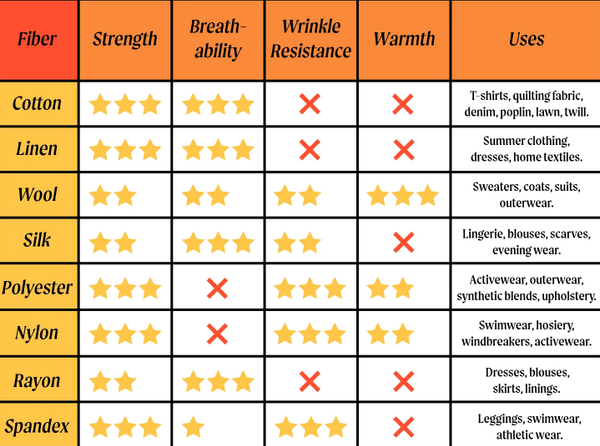
| Organic cotton | Vegan, biodegradable, low impact | Not warm, less elastic | Summer scarves, lightweight |
| rPET fleece | Warm, durable, low carbon | Sheds microplastics, fossil-based | Outdoor beanies, travel scarves |
| TENCEL™ Lyocell | Soft, biodegradable, closed-loop | Not warm, less durable | Spring/fall scarves |
| Linen | Durable, low-input farming | Stiff, wrinkles easily | Summer scarves |
| Hemp | Very durable, low-input | Coarse texture, limited colors | Rustic scarves |
9. Sourcing Responsible Wool: Step by Step
Step 1: Define Your Requirements
- Micron range (19-21 for soft scarves, 22-25 for durable beanies)
- Certification: RWS (recommended), ZQ, or non-mulesing
- Virgin vs recycled wool
- Blend percentage (e.g., 80% wool / 20% rPET)
Step 2: Vet Suppliers
- Request RWS scope certificate from wool grower, spinner, and knitter
- For non-mulesing without RWS: request farm-level non-mulesing declaration
- Ask for country of origin — avoid Australia if mulesing is a concern (unless certified non-mulesing) — New Zealand, South Africa (KRAF), UK, Europe are safer
Before committing, review our Factory Red Flags guide to avoid common wool sourcing issues.
Step 3: Specify Processing Requirements
- No chlorine-based anti-shrink treatments
- REACH-compliant, heavy metal-free dyes
- Wastewater treatment at scouring and dyeing facilities
- OEKO-TEX Standard 100 or EU Ecolabel for finished product
Step 4: Verify Before Production
- Request transaction certificates from farm to spinner to factory
- Test fiber composition to confirm wool percentage
- Request micron test report from spinner
- For RWS: confirm all supply chain nodes are RWS-certified
10. Buyer's Checklist for Wool Knitwear
- ☐ Choose RWS certification (most comprehensive and recognized)
- ☐ Specify non-mulesing (if not RWS-certified)
- ☐ Define micron range based on application (19-21μ for soft, 22-25μ for durable)
- ☐ Decide virgin vs recycled wool blend
- ☐ Specify processing: no chlorine anti-shrink, REACH-compliant dyes
- ☐ Request OEKO-TEX Standard 100 for finished product
- ☐ Verify RWS chain of custody with transaction certificates
- ☐ Budget for certification premiums (RWS: +$3-8/kg yarn)
- ☐ Consider lower-carbon alternatives (rPET, organic cotton) for warm-weather products
11. Questions to Ask Your Wool Supplier
- ✓ "Is this wool RWS-certified? Can you provide the scope certificate?"
- ✓ "What is the country of origin? Is the wool mulesing-free?"
- ✓ "What is the micron count and staple length of this wool?"
- ✓ "Can you provide transaction certificates from farm to finished yarn?"
- ✓ "Are anti-shrink treatments chlorine-free?"
- ✓ "Are dyes heavy metal-free and REACH-compliant?"
- ✓ "Does the finished wool have OEKO-TEX certification?"
- ✓ "What is the price premium for RWS vs conventional wool?"