Recycled Polyester (rPET) Guide for Knitted Scarves & Beanies

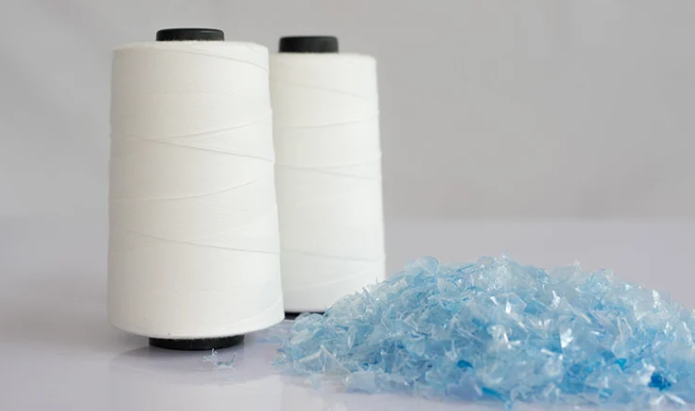
Recycled Polyester (rPET) Guide for Knitted Scarves & Beanies
Recycled polyester (rPET) is the most widely used recycled synthetic fiber in knitwear. It offers the same performance as virgin polyester — durability, quick drying, wrinkle resistance — with significantly lower environmental impact. If you're new to sustainable materials, start with our Sustainable Materials Guide for an overview of all eco-friendly fiber options.
This guide explains rPET production methods, GRS certification requirements, cost comparisons, microplastic concerns, and how to source verified recycled polyester for scarves and beanies.
1. What is Recycled Polyester (rPET)?
Recycled polyester (rPET) is polyester fiber made from post-consumer or post-industrial PET plastic — primarily plastic bottles, but also packaging and textile waste. The plastic is shredded, cleaned, melted, and extruded into new polyester filament or staple fiber.
"rPET" specifically refers to polyester from recycled PET plastic. Not all recycled polyester is rPET — some comes from recycled polyester textiles (textile-to-textile recycling), which is less common and more expensive.
Two Main Sources of rPET:
- Post-consumer bottles — PET bottles collected from recycling systems (most common, ~90% of rPET)
- Post-industrial waste — Factory scrap, cutting waste, defective products
- Textile-to-textile (emerging) — Old polyester garments and textile waste (limited commercial scale)
2. rPET vs Virgin Polyester: Key Differences
| Metric | rPET (bottle-derived) | Virgin Polyester |
|---|---|---|
| Carbon footprint (kg CO₂e/kg) | 1.5-2.5 | 5.0-6.5 |
| Energy consumption (MJ/kg) | 40-55 | 80-100 |
| Water consumption (liters/kg) | ~10 (minimal) | ~100-150 |
| Petroleum feedstock | None (uses existing plastic) | 1.5-2.0 kg crude oil/kg |
| Fiber strength (cN/tex) | 4.0-5.5 | 4.5-6.0 (slightly higher) |
| Cost (USD/kg yarn) | $3.50-5.50 | $2.50-4.00 |
| Color quality | Good (but can have batch variation) | Excellent, consistent |
Using rPET instead of virgin polyester reduces carbon emissions by approximately 60-70% and energy use by 40-50%. However, rPET does not solve the microplastic shedding problem — both release microplastics during washing.
3. Mechanical vs Chemical Recycling
Not all rPET is equal. The recycling method affects fiber quality, color options, and applications. For a deeper understanding of yarn quality testing, see our Yarn Evenness (Uster) Guide.
Mechanical Recycling (90%+ of rPET today):
- Process: Plastic bottles are shredded, washed, melted, and extruded into fiber
- Quality: Good for staple fiber, limited for filament
- Color: Typically light gray or off-white; dark colors require more dye
- Limitations: Polymer degradation reduces strength over multiple cycles; cannot be recycled infinitely
- Cost: Lower ($3.50-4.50/kg yarn)
Chemical Recycling (Emerging, limited scale):
- Process: Plastic is depolymerized to raw monomers, then re-polymerized
- Quality: Virgin-equivalent quality, can be used for filament yarns
- Color: White, can be dyed to any color
- Advantage: Infinite recycling cycles, can handle contaminated or mixed waste
- Cost: Higher ($6.00-9.00/kg yarn)
Mechanical rPET is sufficient for most applications. Chemical rPET is only necessary for high-end products requiring bright white base or filament yarns. Always ask your supplier which recycling method is used.
4. rPET Certifications for Textiles
Primary Certification: GRS (Global Recycled Standard)
GRS is the leading certification for recycled textiles. For recycled polyester scarves and beanies sold in EU, US, or UK markets, GRS is required for credible recycled content claims. For a full comparison of textile certifications, read our GOTS, GRS & RWS Guide.
GRS Requirements for rPET Products:
- Recycled content: Minimum 20% (but 50%+ for most claims)
- Chain of custody: Transaction certificates from recycler to finished product
- Environmental criteria: Wastewater treatment, chemical restrictions
- Social criteria: ILO standards, no child labor, health & safety
- Labeling: "Made with X% GRS-certified recycled polyester"
Other rPET Certifications:
| Certification | Markets | Notes |
|---|---|---|
Use GRS for recycled polyester knitwear. RCS alone is insufficient for credible sustainability claims in EU markets. OEKO-TEX certification is complementary (for harmful substances) but does not verify recycled content.
5. rPET Supply Chain for Knitwear
Complete Supply Chain (Scarf/Beanie Example):
- Collection — PET bottle collection (municipal or commercial recycling)
- Sorting & Baling — Bottles sorted by color/type, compressed into bales
- Recycler (flake producer) — Bottles washed, labels removed, shredded into flakes — GRS-certified recycler issues first Transaction Certificate
- Extruder (fiber producer) — Flakes melted, extruded into polyester fiber (staple or filament)
- Spinner — Fiber spun into yarn (GRS-certified spinner)
- Dyer — Yarn dyed (GRS-certified, wastewater treatment)
- Knitter — Knits scarf or beanie (GRS-certified facility)
- Finisher/Packager — Final processing and labeling (GRS-certified)
Understanding MOQ requirements at each supply chain stage is critical when sourcing rPET, as recyclers and spinners often have higher minimums than yarn traders.
Each facility in the supply chain must hold a valid GRS scope certificate and issue transaction certificates for material transfers. Missing TCs at any step void the recycled content claim for the final product.
6. rPET Cost Breakdown for Scarves & Beanies
rPET yarn costs 20-40% more than virgin polyester. The premium reflects collection, sorting, washing, and recycling costs. For a detailed breakdown of all cost components in knitwear production, see our Cost Breakdown Guide.
| Cost Component | Virgin Polyester | rPET (mechanical) | Premium |
|---|---|---|---|
Use rPET for dark colors only. Light-colored rPET requires more bleaching and dyeing, increasing cost and environmental impact. Dark colors (black, navy) hide the grayish base color of mechanical rPET.
7. Microplastic Shedding Problem
rPET sheds microplastics during washing — exactly like virgin polyester. Recycled polyester does not solve microplastic pollution. Proper knitwear care can help reduce shedding.
Key Facts:
- Polyester garments shed 0.1-1.0 grams of microfibers per wash
- rPET sheds similar amounts to virgin polyester (recycling does not change shedding behavior)
- Microplastics enter waterways, oceans, and food chains
- No commercial-scale solution exists for microfiber capture in washing machines
Mitigation Strategies for Knitwear:
- Use tighter knits — Looser knits shed more fibers than dense knits. Learn more in our Knit Structures Guide.
- Specify low-shed finishes — Some chemical finishes reduce shedding (but may add chemicals)
- Recommend cold, gentle washing — Higher temperatures and agitation increase shedding
- Consider blends — Blends with natural fibers (e.g., 50/50 rPET/cotton) shed less synthetic fiber
The EU is developing regulations on microplastic releases from textiles. By 2028-2030, products with high shedding rates may face restrictions or labeling requirements. rPET will not be exempt.
8. Blends: rPET with Natural Fibers
For knitted scarves and beanies, rPET is often blended with natural fibers to balance performance, cost, and sustainability. If you're considering organic cotton blends, check our dedicated guide for certification requirements.
Common rPET Blends for Knitwear:
| Blend | Properties | Applications |
|---|---|---|
GRS-certified blends require both the recycled and non-recycled components to meet GRS chemical/environmental criteria. The recycled percentage determines the label claim (e.g., "Made with 50% GRS-certified recycled polyester").
9. Sourcing Verified rPET
Step 1: Define Your Requirements
- Target recycled content percentage (20% minimum for GRS, 50%+ for credible claims)
- Mechanical vs chemical rPET (mechanical for most applications)
- Blend or 100% rPET
- Color requirements (dark colors recommended)
Step 2: Find GRS-Certified Suppliers
- GRS public database — global-standard.org
- Request scope certificates from each supplier (check validity dates and product categories)
- Ask which recycling method (mechanical or chemical) and source (bottles or textile waste)
Before committing to a supplier, review our Factory Red Flags guide to avoid common sourcing pitfalls.
Step 3: Verify Before Production
- Request transaction certificates from recycler to your factory
- Confirm that all subcontractors (dyeing, finishing) are GRS-certified
- Test fiber composition to verify recycled content (optional but recommended)
10. Buyer's Checklist for rPET Knitwear
- ☐ Choose target recycled content % (50%+ for credible claims)
- ☐ Decide on mechanical vs chemical rPET (mechanical is sufficient for most)
- ☐ Verify every supplier has valid GRS scope certificate
- ☐ Request transaction certificates for each batch
- ☐ Consider microplastic shedding — use tighter knits and cold wash recommendations
- ☐ Specify dark colors to minimize dyeing impact
- ☐ Budget for 25-35% cost premium over virgin polyester
- ☐ Include GRS logo and claim on final product labels
11. Questions to Ask Your rPET Supplier
- ✓ "Do you have GRS certification? Can you provide your current scope certificate?"
- ✓ "Is your rPET mechanically or chemically recycled?"
- ✓ "What is the source material — post-consumer bottles, post-industrial waste, or textile waste?"
- ✓ "Can you provide transaction certificates for this batch from recycler to spinning mill?"
- ✓ "What is the recycled percentage in this yarn?"
- ✓ "What is the base color of your mechanical rPET? How does it affect dyeing?"
- ✓ "Do you have data on microfiber shedding for your yarn?"