Knitwear Care Guide for Brands & Buyers | Knitted Scarves & Beanies

Knitwear Care Guide for Brands & Buyers
Poor care instructions are a leading cause of consumer complaints. A cashmere scarf that shrinks after washing. A wool beanie that loses its shape. A pilling complaint that could have been prevented with proper care labeling.
This guide covers care requirements for knitted scarves and beanies — washing methods, drying, storage, and how to specify care labels in your tech pack. For a complete quality framework, see our Ultimate Guide to Quality for Knitted Scarves & Beanies. For material guidance, see our Sustainable Materials Guide.
1. Why Care Instructions Matter for Buyers
- Consumer frustration and returns: Damaged brand reputation
- Product damage (shrinkage, felting, color bleeding): Chargebacks and refunds
- Legal liability (incorrect care claims): FTC violations (US)
- Lost customer trust: Reduced repeat purchases
For brands: The care label is the last chance to ensure your product performs as expected. A well-made scarf destroyed by incorrect washing is still a disappointed customer.
For manufacturers: Clear care specifications prevent disputes over shrinkage, color loss, and shape distortion.
For compliance requirements, see our Compliance Guide for Knitted Scarves & Beanies.
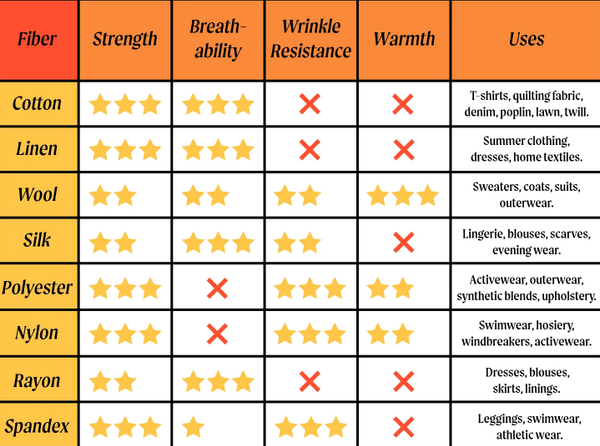
2. Care Requirements by Fiber Type
2.1 Cashmere
- Washing: Hand wash cold or dry clean
- Water temperature: ≤30°C / 86°F
- Detergent: Wool-specific or mild pH-neutral
- Drying: Lay flat, no wringing
- Ironing: Do not iron (use steam from distance)
- Dry cleaning: Any solvent except trichloroethylene
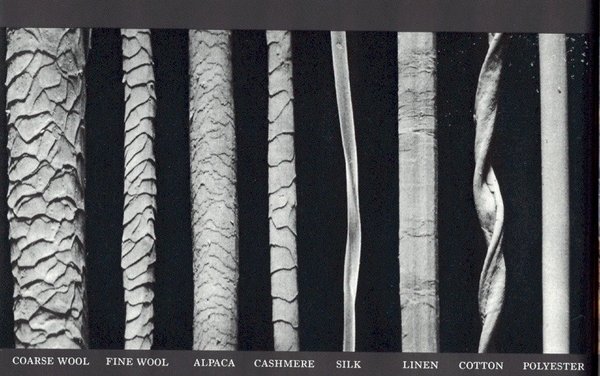
Why cashmere is delicate: Cashmere fibers are fine (14-16 microns) and have natural scales that interlock under heat, moisture, and agitation — causing felting and shrinkage.
For cashmere quality standards, see our Knitted Scarf Pilling Guide.
2.2 Merino Wool
- Washing: Machine wash gentle (if treated) or hand wash
- Water temperature: ≤30°C / 86°F
- Detergent: Wool-specific
- Drying: Lay flat
- Ironing: Low heat with press cloth
- Dry cleaning: Any solvent
Machine-washable vs non-machine-washable: Standard wool requires hand washing or dry cleaning. "Machine washable" wool has undergone anti-felting treatment (chlorine-Hercosett or polymer coating). GOTS-certified wool cannot use chlorine treatment.
For wool sourcing guidance, see our Sustainable Materials Guide.
2.3 Cotton
- Washing: Machine wash
- Water temperature: ≤40°C / 104°F
- Detergent: Standard
- Drying: Tumble dry low or line dry
- Ironing: Medium heat
- Dry cleaning: Not recommended
Cotton care advantages: Easy care, high durability, colorfast. For color fastness standards, see our Color Fastness Guide.
2.4 Linen
- Washing: Machine wash
- Water temperature: ≤40°C / 104°F
- Detergent: Standard
- Drying: Line dry (tumble dry may cause shrinkage)
- Ironing: High heat (best when damp)
- Dry cleaning: Any solvent
Linen care note: Linen wrinkles naturally — this is a feature, not a defect. For construction differences, see our Knitted vs Woven Scarves.
2.5 Silk
- Washing: Dry clean only (recommended) or hand wash cold
- Water temperature: ≤30°C / 86°F
- Detergent: Silk-specific or mild pH-neutral
- Drying: Lay flat, away from direct sunlight
- Ironing: Low heat, dry (no steam)
- Dry cleaning: Any solvent
Silk care warning: Silk is protein-based and degrades with bleach, alkaline detergents, and prolonged UV exposure.
2.6 Recycled Polyester (rPET)
- Washing: Machine wash
- Water temperature: ≤40°C / 104°F
- Detergent: Standard
- Drying: Tumble dry low
- Ironing: Low heat
- Dry cleaning: Any solvent
Microplastic consideration: Synthetic fibers release microplastics during washing. Recommend cold water, gentle cycle, and consider using a microfiber-catching laundry bag.
For recycled content certification, see our GOTS, GRS, RWS Guide.
3. Washing Symbols: A Buyer's Reference
- 🧺 Machine wash — Cotton, polyester, treated wool
- ✋ Hand wash — Cashmere, silk, untreated wool
- ⚪ Dry clean only — Silk, structured knitwear
- ❄️ Cold water (≤30°C) — Cashmere, silk, dark colors
- 🔥 Warm water (≤40°C) — Cotton, polyester
- 🚫 Do not bleach — All knitwear
- 📌 Do not wring — Cashmere, silk, wool
- 🌬️ Dry flat — Cashmere, wool, silk
- 🔄 Tumble dry low — Cotton, polyester
- 🚫🌀 Do not tumble dry — Cashmere, wool, silk
- 🔥 Low heat iron — Polyester, silk
- 🔥🔥 Medium heat iron — Cotton, linen
- 🚫🔥 Do not iron — Some textured knits
For labeling requirements, see our Textile Labeling Regulations Guide.
4. How to Specify Care Labels in Your Tech Pack
Complete Care Label Specification Example
CARE LABEL SPECIFICATION
- Washing: Hand wash cold (30°C)
- Bleach: Do not bleach
- Drying: Do not tumble dry, lay flat
- Ironing: Do not iron
- Dry cleaning: Dry clean any solvent except trichloroethylene
- Language: English (US market) / French (EU) / German (EU)
- Label material: Satin, 100% polyester
- Label placement: Inside left seam (scarves), inside back (beanies)
Care Label Templates by Product
100% Cashmere Scarf:
100% Cashmere
Hand wash cold
Do not bleach
Do not wring
Lay flat to dry
Do not iron
Dry clean
Merino Wool Beanie:
100% Merino Wool
Machine wash cold gentle cycle
Do not bleach
Do not tumble dry
Lay flat to dry
Cool iron if needed
Dry clean
Cotton Summer Scarf:
100% Cotton
Machine wash warm
Do not bleach
Tumble dry low
Medium iron
Recycled Polyester Fashion Scarf:
100% Recycled Polyester
Machine wash cold
Do not bleach
Tumble dry low
Low iron
For tech pack guidance, see our How to Write a Tech Pack.
5. Common Care Label Mistakes
- "Machine wash" on untreated wool: Felting, shrinkage, returns — test shrinkage before labeling
- "Dry clean only" on washable wool: Unnecessary cost for consumers — verify machine-washable treatment
- No temperature specification: Consumer guesswork, potential damage — specify temperature (e.g., "cold")
- "Tumble dry" on cashmere: Irreversible shrinkage — specify "lay flat to dry"
- Missing symbols on EU labels: Customs hold, non-compliance — use ISO symbols for EU market
- Wrong language for EU: Customs hold — translate care instructions
For EU labeling requirements, see our Compliance Guide for Knitted Scarves & Beanies.
6. Care Label Requirements by Market
- US: Words or symbols, English, FTC 16 CFR 423
- EU: ISO symbols, destination language, must be permanent
- UK: ISO symbols, English, post-Brexit rules apply
- Canada: Symbols recommended, English and French, bilingual required
- Japan: Symbols or Japanese, Japanese, JIS standards
For detailed labeling regulations, see our Textile Labeling Regulations Guide.
7. Testing Care Instructions
Before printing care labels, verify that the product actually performs as claimed.
Shrinkage Testing: ISO 6330 / AATCC 135 — ≤5% (wool), ≤3% (cotton/synthetic)
Color Fastness Testing: ISO 105-C06 (washing) Grade ≥3, ISO 105-D01 (dry cleaning) Grade ≥4, ISO 105-B02 (light) Grade ≥4
For color fastness details, see our Color Fastness Guide.
8. Consumer Education (Brand Perspective)
If you sell directly to consumers, consider adding care information to your product pages:
Example consumer care guide for cashmere scarf:

"To keep your cashmere scarf beautiful for years:
- Wash by hand in cold water with wool-specific detergent
- Do not wring or twist — gently press out water
- Lay flat on a clean towel to dry, away from direct heat or sunlight
- Do not hang — this will stretch the fibers
- Use a cashmere comb to remove any pills (pilling is normal for cashmere)
- Store folded, not hung, in a breathable cotton bag"
For pilling education, see our Knitted Scarf Pilling Guide.
9. Buyer's Care Label Checklist
Before Sampling: Confirm care instructions match fiber and construction, verify shrinkage test results for your product, specify language requirements for destination market.
During Sampling: Test care instructions on production-representative sample, verify symbols match words (if both used), check label durability (should not fade or detach).
Before Bulk Production: Approve care label sample, confirm label placement, verify translation for EU markets.
Upon Shipment: Include care label on every product, keep test reports for compliance.
10. Related Resources
- The Ultimate Guide to Quality for Knitted Scarves & Beanies
- Compliance Guide for Knitted Scarves & Beanies
- Textile Labeling Regulations Guide
- Color Fastness Guide
- Sustainable Materials Guide
- GOTS, GRS, RWS Guide
- How to Write a Tech Pack
This guide is part of our Quality Guide series.