Color Fastness Guide for Knitted Scarves & Beanies

Color Fastness Guide for Knitted Scarves & Beanies
A red scarf that turns pink after the first wash. A navy beanie that leaves blue marks on a white collar. A dark knit that fades after a few weeks in the sun. These are all color fastness failures — and they are among the most common quality complaints for knitted accessories.
This guide covers color fastness standards for knitted scarves and beanies, including rubbing (crocking), washing, light, and perspiration tests. You'll learn about the grey scale rating system, acceptable grades for different markets, and how to prevent color fastness issues before production.
1. What is Color Fastness?
Color fastness is the resistance of a textile's color to fading, bleeding, or transferring to other materials during use or processing. For knitted scarves and beanies, poor color fastness leads to:
- Customer returns: Stained clothing or faded products
- Brand damage: Negative reviews and lost trust
- Chargebacks: Buyers rejecting shipments
Color fastness depends on three factors: dye type (reactive, acid, disperse, pigment), fiber type (cotton, wool, acrylic, polyester, blends), and dyeing process quality (penetration, fixation, washing-off).
2. Key Color Fastness Tests
Several test methods evaluate different aspects of color fastness. The most common for knitted accessories are:
| Test | Standard Methods | What It Measures | Typical For |
|---|---|---|---|
| Rubbing (Crocking) | AATCC 8, ISO 105-X12 | Color transfer from dry or wet fabric to another surface | Dark scarves, denim-style knits, printed beanies |
| Washing | AATCC 61, ISO 105-C06 | Color change and staining after home or commercial laundering | All knitwear |
| Light | AATCC 16, ISO 105-B02 | Resistance to fading from sunlight or artificial light | Outdoor accessories, summer scarves |
| Perspiration | AATCC 15, ISO 105-E04 | Color change from acidic or alkaline sweat | Beanies, neck gaiters, scarves worn close to skin |
| Water | AATCC 107, ISO 105-E01 | Resistance to water spotting or bleeding when wet | Rain-exposed accessories |
3. The Grey Scale Rating System
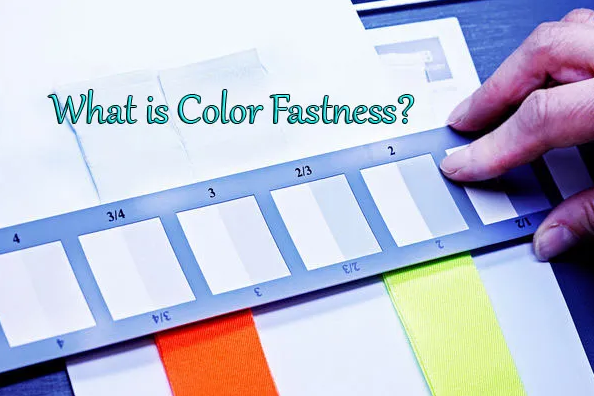
Most color fastness tests use the grey scale to rate results. The scale ranges from 1 to 5, where 5 is best (no change/staining) and 1 is worst (severe change/staining).
| Rating | Description | Commercial Interpretation |
|---|---|---|
| 5 | Excellent — no change or staining | Premium / luxury acceptable |
| 4-5 | Very good — slight change barely noticeable | High-end brand acceptable |
| 4 | Good — noticeable but acceptable change | Standard commercial acceptable |
| 3-4 | Fair to good — moderate change | Borderline / value segment |
| 3 | Fair — significant change | Typically rejected by buyers |
| 1-2 | Poor — severe change or staining | Fails all standards |
Industry benchmark: Most commercial buyers require minimum 4 (Good) for washing and rubbing fastness. Light fastness requirements vary by market (higher for Australia, lower for Northern Europe).
4. Color Fastness to Rubbing (Crocking)
Rubbing fastness measures how much color transfers when a dry or wet cloth is rubbed against the fabric. This is critical for dark-colored scarves that may stain light jackets, shirts, or sofas.
Typical Requirements
| Condition | Minimum Acceptable | Premium Target |
|---|---|---|
| Dry rubbing | 4 | 4-5 |
| Wet rubbing | 3-4 | 4 |
Note: Wet rubbing fastness is typically 0.5 to 1 grade lower than dry rubbing. This is normal and accepted by most buyers.
How to Improve Rubbing Fastness
- Use reactive dyes for cotton, acid dyes for wool, disperse dyes for polyester
- Ensure thorough washing-off after dyeing to remove unfixed dye
- Apply fixing agents for dark shades (navy, black, deep red)
- Consider anti-crocking treatments for problem colors
5. Color Fastness to Washing
Washing fastness measures both color change (fading) and color staining (bleeding onto other fabrics). This is the most commonly specified test for scarves and beanies.
Typical Requirements
| Aspect | Minimum Acceptable | Premium Target |
|---|---|---|
| Color change | 4 | 4-5 |
| Staining on multifiber fabric | 4 | 4-5 |
Fiber-Specific Performance
| Fiber | Typical Washing Fastness | Risk Factors |
|---|---|---|
| Cotton (reactive dye) | 4-5 | Low — stable |
| Wool (acid dye) | 3-4 | Moderate — requires careful dyeing |
| Acrylic (basic dye) | 4-5 | Low — stable |
| Polyester (disperse dye) | 4-5 | Low — stable |
| Cotton-Wool blends | 3-4 | Higher — different dye types required |
6. Color Fastness to Light
Light fastness is the resistance to fading from sunlight or artificial light. This is important for scarves and beanies worn outdoors, especially in sunny climates like Australia, California, or the Mediterranean.
Typical Requirements
| Market / Use | Minimum Acceptable (Blue Wool Scale) |
|---|---|
| Northern Europe, Canada, UK | 3-4 |
| USA, Germany, France | 4 |
| Australia, Southern Europe, Middle East | 4-5 |
| Outdoor / sports accessories | 5+ (special pigments) |
Note: Light fastness testing takes 20-100+ hours depending on the specified xenon arc exposure. Dark colors (black, navy) generally have better light fastness than pastels and brights.
7. Color Fastness to Perspiration
Perspiration fastness measures color change when fabric contacts sweat (acidic or alkaline). This is critical for beanies, neck gaiters, and scarves worn directly against the skin.
Many buyers now require perspiration testing alongside washing and rubbing. Minimum acceptable is typically 3-4 for color change and 3-4 for staining.
8. What Causes Color Fastness Failures?
- Incomplete dye fixation: Dye molecules not properly bonded to fibers
- Insufficient washing-off: Unfixed dye remains on fabric surface
- Wrong dye type for fiber: Using direct dyes on cotton instead of reactive dyes
- Hard water or poor water quality: Minerals interfere with dyeing and washing-off
- Over-reduction of dyes: Chemical damage during dyeing
- Poor after-treatment: Missing fixing, soaping, or neutralization steps
9. Buyer's Checklist: What to Ask Your Supplier
- ✓ What color fastness standards do you follow (AATCC or ISO)?
- ✓ Can you provide test reports for rubbing, washing, and light fastness?
- ✓ What minimum grey scale rating do you guarantee (e.g., 4 for dry rubbing, 4 for washing)?
- ✓ Do you use fixing agents for dark colors (navy, black, red)?
- ✓ Can you match specific color fastness requirements for our target market?
10. Related Guides from Weave Essence
This guide is part of the Quality Guide (L1) series. It provides in-depth coverage of color fastness for knitted scarves and beanies (L2/L3 depth).
Need help with color fastness specifications for your order? Contact our team →