Dimensional Tolerance Guide for Knitted Scarves & Beanies

Dimensional Tolerance Guide for Knitted Scarves & Beanies
A scarf that shrinks 8% after the first wash is a customer complaint waiting to happen. A beanie that's 2cm too short doesn't fit. Dimensional tolerance — how much a product's size can vary from its specification — is one of the most basic quality requirements, yet it's also one of the most common reasons for returns and chargebacks.
This guide covers dimensional tolerance standards for knitted accessories, test methods (AATCC 135, ISO 6330, ASTM D3774), acceptable tolerance ranges for different fiber types, and how to prevent size issues before production.
1. What is Dimensional Tolerance?
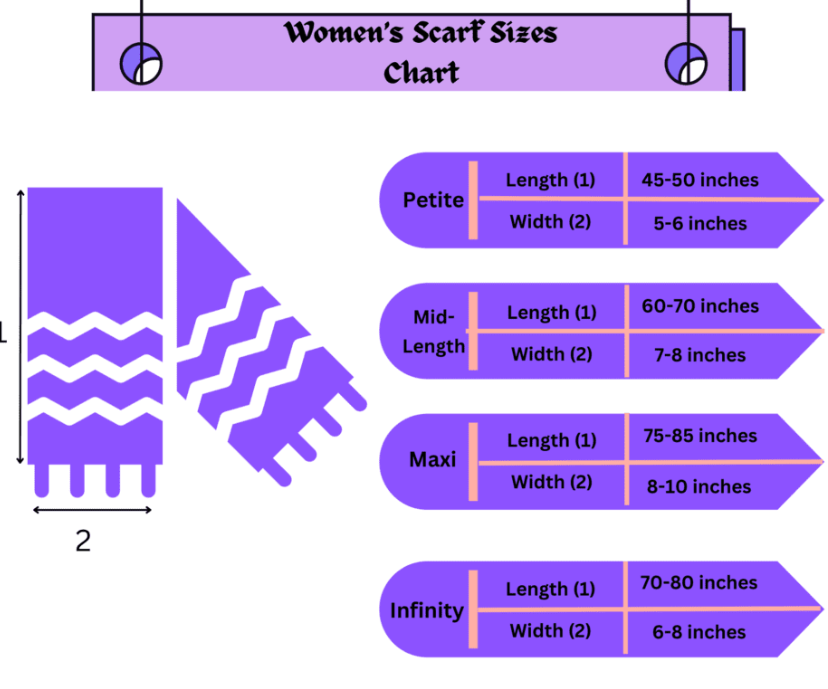
Dimensional tolerance is the allowable deviation from the specified measurements of a product. For a knitted scarf specified as 180×30cm, a tolerance of ±3% means the finished product can measure between 174.6-185.4cm in length and 29.1-30.9cm in width.
Dimensional changes happen for two reasons:
- Relaxation shrinkage: The fabric relaxes after tension is released from the knitting and finishing process.
- Consolidation shrinkage: Additional shrinkage caused by washing, heat, or mechanical action.
For knitwear, relaxation shrinkage typically occurs during the first wash. Understanding both types helps buyers set realistic expectations and suppliers control production quality.
2. Key Industry Standards
Several test methods measure dimensional stability. The most common for knitted scarves and beanies are:
| Standard | Method Name | Typical For | What It Measures |
|---|---|---|---|
| AATCC 135 | Dimensional Changes of Fabrics after Home Laundering | US market, casual knitwear | Shrinkage after machine washing and tumble drying |
| ISO 6330 | Textiles — Domestic washing and drying procedures for textile testing | EU & international markets | Dimensional change after specified wash and dry cycles |
| ASTM D3774 | Standard Test Method for Width of Textile Fabric | Fabric width measurement | Width tolerance for rolled fabric before cutting |
| ISO 5077 | Determination of dimensional change in washing and drying | General knitwear testing | Shrinkage percentage after washing and drying |
For most commercial orders of knitted scarves and beanies, AATCC 135 (for the US) or ISO 6330 (for Europe and other markets) is the specified test method.
3. Acceptable Tolerance Ranges
Acceptable tolerance varies by product type, fiber content, and buyer requirements. Below are typical ranges for knitted accessories.
3.1 Length Tolerance (Scarves)
| Specified Length | Acceptable Tolerance (±) | Example |
|---|---|---|
| Under 100cm | ±2% to ±3% | 60cm scarf → 58.8-61.2cm |
| 100-200cm | ±2% to ±3% | 180cm scarf → 174.6-185.4cm |
| Over 200cm | ±2% to ±4% | 220cm scarf → 211.2-228.8cm |
Note: Fringed scarves measure total length including fringe. Specify whether tolerance applies to the knitted body only or total length.
3.2 Width Tolerance (Scarves)
| Specified Width | Acceptable Tolerance (±) | Example |
|---|---|---|
| Under 30cm | ±0.5cm to ±1cm | 20cm scarf → 19-21cm |
| 30-50cm | ±1cm to ±1.5cm | 40cm scarf → 38.5-41.5cm |
| Over 50cm | ±2% to ±3% | 60cm blanket scarf → 58.2-61.8cm |
3.3 Shrinkage Tolerance (After Washing)
| Fiber Type | Typical Shrinkage (Length) | Acceptable Limit | Notes |
|---|---|---|---|
| 100% Cotton | 3-5% | ≤5% | Pre-washing can stabilize |
| 100% Wool | 5-8% | ≤8% (or superwash treated ≤3%) | Risk of felting if not treated |
| Cashmere / Merino | 3-5% | ≤5% | High-quality fibers shrink less |
| Acrylic / Polyester | 1-2% | ≤2% | Very stable |
| Cotton-Wool Blend | 4-6% | ≤6% | Depends on blend ratio |
For beanies, shrinkage tolerance is tighter because fit matters more. A beanie that shrinks 5% may become too tight. Many buyers specify ≤3% shrinkage for beanies regardless of fiber type.
4. Dimensional Tolerance for Beanies
Beanies have different measurement points than scarves. Critical dimensions include:
- Circumference (unstretched): Measured flat, then doubled. Tolerance typically ±1cm.
- Height (crown to brim): Tolerance typically ±1cm to ±1.5cm.
- Stretched circumference: Some buyers test maximum stretch.
Example Beanie Specification
| Circumference (flat, doubled) | 48cm | Tolerance ±1cm |
| Height | 22cm | Tolerance ±1cm |
| Shrinkage after wash (length) | ≤3% | Based on ISO 6330 |
5. What Causes Dimensional Variation?
Understanding the root causes helps you prevent problems before production starts.
- Yarn tension during knitting: Inconsistent tension causes uneven length and width. Higher tension produces narrower, longer fabric; lower tension produces wider, shorter fabric.
- Finishing processes: Dyeing, washing, and heat-setting all affect dimensions. Over-stretching during finishing can create temporary dimensions that relax after the first wash.
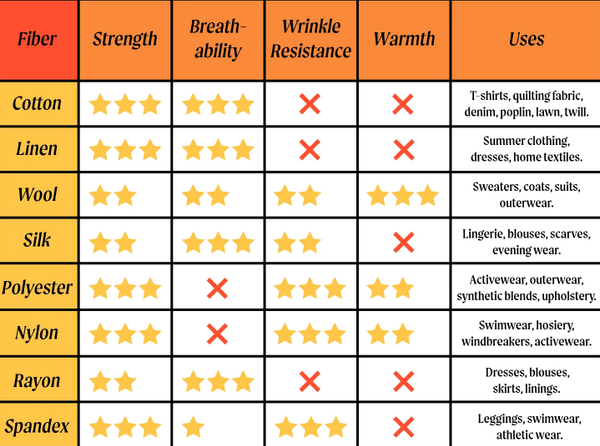
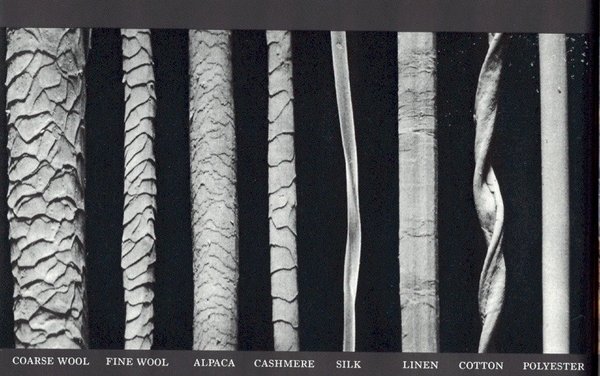
- Fiber relaxation: All fibers have natural relaxation. Wool relaxes more than acrylic. Cotton relaxes more than polyester.
- Moisture content: Humidity affects fiber dimensions. A scarf measured at 30% humidity may be different at 60% humidity.
- Measurement technique: Variations in how operators measure (tension, positioning, tools) can introduce error.
6. How to Test Dimensional Tolerance
The testing process generally follows these steps:
- Conditioning: Samples are conditioned at standard atmosphere (20±2°C, 65±4% RH) for at least 4 hours.
- Initial measurement: Mark reference points on the fabric and measure dimensions.
- Washing/drying: Run specified wash and dry cycles (e.g., AATCC 135: 60°C wash, tumble dry medium).
- Final measurement: Re-condition and re-measure at the same reference points.
- Calculation: Dimensional change (%) = (Final - Initial) / Initial × 100.
For production monitoring, many suppliers use inline measurement: checking width at the knitting machine and length during finishing.
7. Buyer's Checklist: What to Ask Your Supplier
Before placing an order, get these answers in writing:
- ✓ What dimensional tolerance do you guarantee for length and width? (e.g., ±2%)
- ✓ What shrinkage percentage do you guarantee after home laundering? Specify test method.
- ✓ Can you provide test reports (AATCC 135 or ISO 6330) for similar products?
- ✓ Do you perform inline measurement during production or only final inspection?
- ✓ How do you handle relaxation shrinkage before cutting?
8. Related Guides from Weave Essence
This guide is part of the Quality Guide (L1) series. It provides in-depth coverage of dimensional tolerance for knitted scarves and beanies (L2/L3 depth).
Need help with quality specifications for your order? Contact our team →