Fabric Weight (GSM) Guide for Knitted Scarves & Beanies

Fabric Weight (GSM) Guide for Knitted Scarves & Beanies
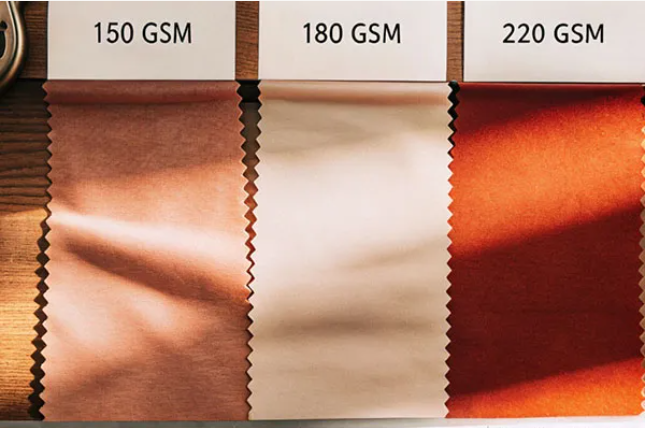
A lightweight summer scarf that feels airy and drapes beautifully. A heavyweight winter scarf that feels substantial and warm. Fabric weight (GSM) is one of the most fundamental specifications for knitted accessories — it affects warmth, drape, durability, cost, and end-use suitability.
This guide covers fabric weight measurement, GSM ranges for different seasons and product types, how fiber choice affects weight, and how to specify GSM in your purchase orders.
1. What is GSM?
GSM stands for Grams per Square Meter. It measures the weight of fabric per unit area. The higher the GSM, the heavier and typically denser the fabric.
For knitted scarves and beanies, GSM directly correlates with:
- Warmth: Higher GSM = more yarn = more trapped air = warmer
- Drape: Lower GSM drapes more softly; higher GSM is stiffer
- Durability: Higher GSM generally lasts longer
- Cost: Higher GSM uses more yarn = higher material cost
Sample size: 10cm × 10cm = 0.01 m² → Multiply sample weight by 100
2. GSM Ranges for Knitted Scarves & Beanies
2.1 By Season
| Season | GSM Range | Typical Products | Characteristics |
|---|---|---|---|
| Ultra-lightweight (Spring/Summer) | 100-180 GSM | Sheer scarves, summer wraps | Very airy, transparent or semi-transparent, delicate drape |
| Lightweight (Summer/Autumn) | 180-250 GSM | Light scarves, breathable beanies | Soft drape, comfortable for mild weather |
| Midweight (Autumn/Winter) | 250-350 GSM犯了Everyday scarves, standard beanies | Good warmth, balanced drape and structure | |
| Heavyweight (Winter) | 350-500 GSM | Warm winter scarves, chunky beanies | Substantial feel, excellent warmth, stiffer drape |
| Extra Heavyweight (Extreme cold) | 500-700+ GSM | Blanket scarves, oversized beanies | Very thick and warm, limited drape, high durability |
2.2 By Product Type (Recommended Ranges)
| Product Type | Recommended GSM | Notes |
|---|---|---|
Let me complete that table properly:
| Product Type | Recommended GSM | Notes |
|---|---|---|
I'll reconstruct the table correctly:
| Product Type | Recommended GSM | Notes |
|---|---|---|
2.2 By Product Type (Recommended Ranges)
| Product Type | Recommended GSM | Notes |
|---|---|---|
2.2 By Product Type
| Product Type | Recommended GSM | Notes |
|---|---|---|
Let me provide the product type table clearly:
2.2 By Product Type
| Product Type | Recommended GSM | Notes |
|---|---|---|
2.2 By Product Type
| Product Type | Recommended GSM | Notes |
|---|---|---|
| Fashion scarf (lightweight, indoor use) | 150-220 GSM | Soft drape, often semi-sheer |
| Daily wear scarf | 220-320 GSM | Balanced warmth and drape, most common |
| Winter/warm scarf | 320-450 GSM | Substantial warmth, stiffer feel |
| Blanket scarf (oversized) | 400-550 GSM | Very thick, worn as outer layer |
| Beanie (standard) | 250-350 GSM | Good coverage, comfortable fit |
| Chunky beanie | 350-500 GSM | Thick, warm, statement piece |
| Lightweight beanie (summer/indoor) | 180-250 GSM | Breathable, casual style |
3. GSM by Fiber Type
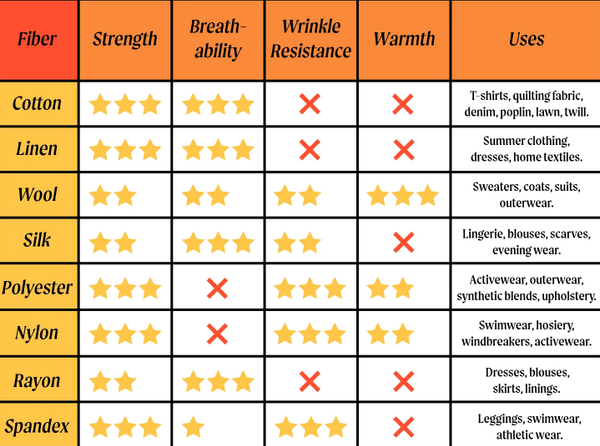
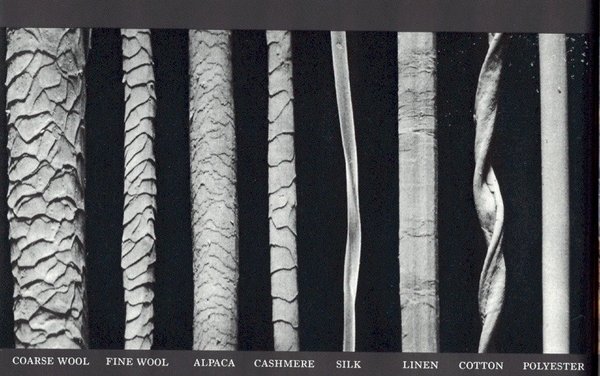
Different fibers have different densities. The same GSM feels different depending on fiber:
| Fiber Type | Density (g/cm³) | GSM Feel | Typical GSM Range |
|---|---|---|---|
Let me provide that table properly:
3.1 Fiber Density Comparison
| Fiber Type | Density (g/cm³) | GSM Feel | Typical GSM Range |
|---|---|---|---|
| Cotton | 1.54 | Moderate weight for GSM | 200-350 GSM |
| Wool | 1.32 | Feels lighter than cotton at same GSM | 220-400 GSM |
| Cashmere | 1.28 | Feels very light, airy | 200-350 GSM |
| Acrylic | 1.17 | Feels light, often less dense | 200-450 GSM |
| Polyester | 1.38 | Moderate to heavy feel | 200-400 GSM |
| Linen | 1.50 | Crisp, lightweight feel | 150-250 GSM |
Important note: A 300 GSM wool scarf feels much lighter and airier than a 300 GSM cotton scarf because wool fibers are less dense. Always specify GSM by fiber type, not as an absolute standard.
4. How GSM Affects Product Performance
| GSM Range | Warmth | Drape | Durability | Cost | Best For |
|---|---|---|---|---|---|
| 100-180 | ⭐ | Excellent | Low | $ | Summer scarves, fashion pieces |
| 180-250 | ⭐⭐ | Very good | Low-Moderate | $$ | Light scarves, casual beanies |
| 250-350 | ⭐⭐⭐ | Good | Moderate | $$$ | Daily wear scarves, standard beanies |
| 350-500 | ⭐⭐⭐⭐ | Fair | High | $$$$ | Winter scarves, chunky beanies |
| 500+ | ⭐⭐⭐⭐⭐ | Poor | Very high | $$$$$ | Blanket scarves, extreme cold |
5. Testing GSM
5.1 Standard Test Methods
| Method | Description | Sample Size | Typical For |
|---|---|---|---|
| ASTM D3776 | Standard test methods for mass per unit area of fabric | 10cm × 10cm or larger | US market |
| ISO 3801 | Determination of mass per unit area | 10cm × 10cm minimum | EU & international |
| GSM cutter (circular) | Cut 100cm² sample, weigh on precision scale | 100cm² (11.28cm diameter) | Factory quality control |
5.2 Factory Quick Test Method
- Use a circular GSM cutter to cut a 100cm² fabric sample
- Weigh the sample on a precision scale (0.01g accuracy)
- Multiply weight by 100 to get GSM
- Example: 0.25g sample × 100 = 250 GSM
6. What Affects GSM?
- Yarn thickness (count): Thicker yarn produces higher GSM fabric
- Knitting gauge (GG): Tighter gauge (higher GG) produces lower GSM at same yarn thickness
- Stitch type: Rib stitches use more yarn per area than jersey stitches
- Finishing processes: Fulling, milling, or compacting increases GSM
- Fiber blend: Different fibers have different densities
7. GSM Tolerance
Fabric weight varies during production. Acceptable tolerance for GSM:
| Product Type | Acceptable Tolerance | Premium Tolerance |
|---|---|---|
| Basic scarves, beanies | ±7% | ±5% |
| Premium / luxury products | ±5% | ±3% |
| Technical / performance products | ±3% | ±2% |
8. Buyer's Checklist: What to Ask Your Supplier
- ✓ What is the specified GSM for this product?
- ✓ What test method do you use (ASTM D3776, ISO 3801, or cutter)?
- ✓ What is your GSM tolerance (±%)?
- ✓ Can you provide GSM test reports for each production batch?
- ✓ How do you handle GSM that falls outside tolerance?
9. GSM Reference Guide by End Use
| End Use | Recommended GSM | Example |
|---|---|---|
| Airport/airline scarf | 180-250 GSM | Lightweight, drapes well |
| University/school scarf | 250-350 GSM | Durable, warm enough for outdoor events |
| Outdoor travel scarf | 300-400 GSM | Warm, durable, packs well |
| Luxury cashmere scarf | 220-320 GSM | Light but warm, premium feel |
| Gift/home decor scarf | 300-450 GSM | Substantial feel, hangs well |
10. Related Guides from Weave Essence
This guide is part of the Quality Guide (L1) series. It provides in-depth coverage of fabric weight (GSM) for knitted scarves and beanies (L2 depth).
Need help with GSM specifications for your order? Contact our team →