TENCEL™, Modal & Lyocell Guide for Knitted Scarves & Beanies

TENCEL™, Modal & Lyocell Guide for Knitted Scarves & Beanies
TENCEL™, Modal, and Lyocell are regenerated cellulosic fibers made from wood pulp. They offer exceptional softness, breathability, and moisture management — ideal for lightweight scarves and summer beanies. But not all these fibers are equally sustainable. Understanding the differences between generic Modal, standard Lyocell, and Lenzing's branded TENCEL™ is critical for credible sourcing.
This guide explains the production methods, environmental credentials, certifications, and sourcing considerations for TENCEL™, Modal, and Lyocell in knitwear applications. For an overview of all sustainable fiber options, see our Sustainable Materials Guide.
1. What Are Regenerated Cellulosic Fibers?
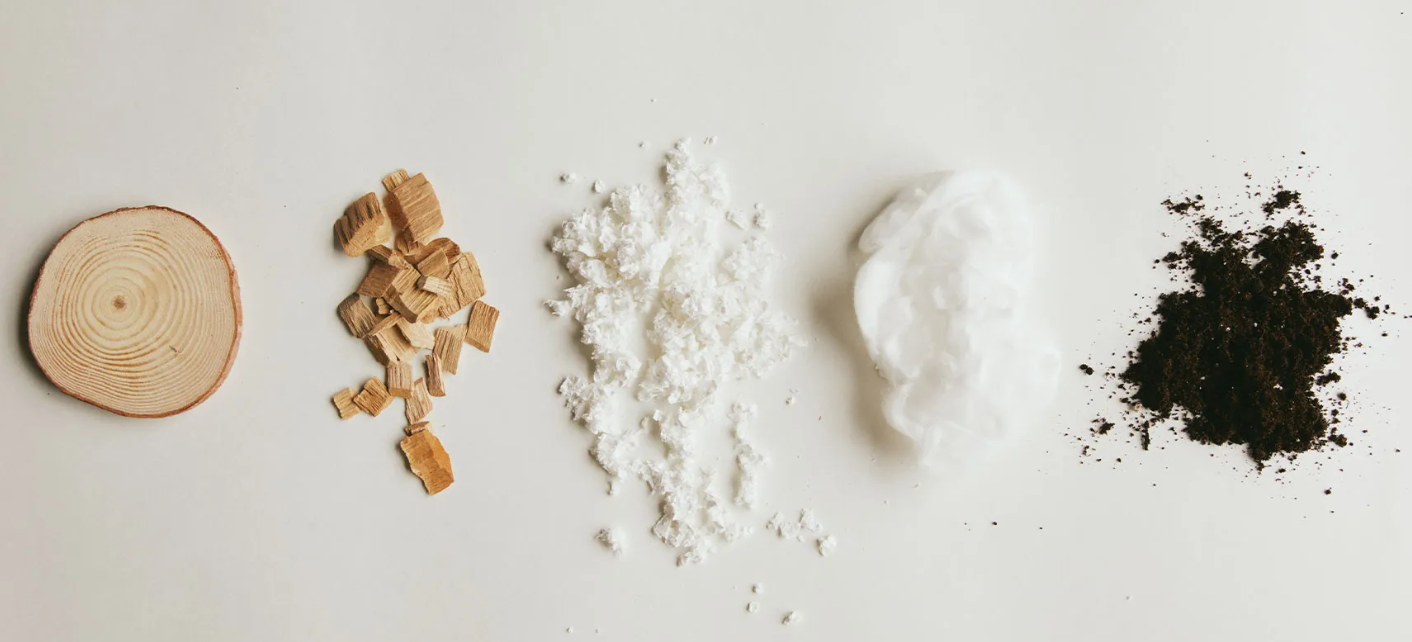
Regenerated cellulosic fibers (also called rayon fibers) are made from dissolved wood pulp that is extruded through spinnerets to form fibers. Unlike cotton (grown as fiber) or polyester (petroleum-based), these fibers are manufactured from renewable plant material.
"Lyocell" is a generic fiber type (like "cotton" or "wool"). "TENCEL™" is a branded version of Lyocell made by Lenzing AG. Not all Lyocell is TENCEL™, and not all TENCEL™ is Lyocell — Lenzing also produces TENCEL™ branded Modal. Confusing? Section 2 clarifies.
The Fiber Family Tree:
- Viscose (Rayon): First-generation regenerated cellulose. Uses carbon disulfide in production — hazardous to workers and environment if not managed properly. Still widely produced, but lowest environmental credentials.
- Modal: Second-generation. Higher wet strength than viscose, uses similar chemistry but more efficient. Can be sustainable if closed-loop and sourced from certified wood.
- Lyocell: Third-generation. Uses amine oxide solvent (NMMO) in a closed-loop system with 99%+ solvent recovery. Significantly lower environmental impact.
- TENCEL™: Lenzing's brand name for their Lyocell and Modal fibers. Lenzing operates closed-loop production with FSC/PEFC-certified wood sources.
2. TENCEL™ vs Modal vs Lyocell: Key Differences
| Property | Generic Viscose | Generic Modal | Generic Lyocell | TENCEL™ (Lenzing) |
|---|---|---|---|---|
For certified sustainability claims in EU/US markets, use TENCEL™ Lyocell or TENCEL™ Modal. Generic Modal or Lyocell may have comparable properties but lack third-party certification of wood source and closed-loop production. TENCEL™ is worth the premium for credible marketing claims.
3. Environmental Impact: Lyocell vs Cotton vs Polyester
TENCEL™ Lyocell has among the lowest environmental footprints of any mainstream textile fiber, particularly regarding water use and land use.
| Metric | TENCEL™ Lyocell | Generic Lyocell | Generic Modal | Conventional Cotton | Organic Cotton | rPET |
|---|---|---|---|---|---|---|
The environmental benefits of Lyocell depend entirely on responsible wood sourcing. Fiber produced from old-growth forests or non-certified plantations has significant biodiversity and deforestation impacts. Always require FSC or PEFC certification for wood pulp — Lenzing uses both.
4. Certifications for TENCEL™, Modal & Lyocell
For Lenzing TENCEL™ Products:
- TENCEL™ branding — Lenzing's quality and environmental guarantee. Requires use of Lenzing-certified fibers and compliance with Lenzing's supply chain standards.
- FSC or PEFC — Lenzing sources wood from certified sustainable forests. Request FSC chain of custody certification from your supplier.
- EU Ecolabel — Available for TENCEL™ Lyocell products meeting EU criteria.
For Generic Lyocell/Modal (non-Lenzing):
| Certification | What It Verifies | Limitations |
|---|---|---|
Tier 1 (best): TENCEL™ Lyocell or Modal with FSC certification and OEKO-TEX. Tier 2 (acceptable): Generic Lyocell with FSC and OEKO-TEX. Tier 3 (not recommended): Generic Modal or Viscose with OEKO-TEX only. Avoid: Uncertified Viscose or Modal from unknown sources. See our GOTS, GRS & RWS Guide for certification comparison.
5. Lyocell Production Process: Why Closed-Loop Matters
The environmental superiority of Lyocell (particularly TENCEL™) comes from the closed-loop production process. Understanding this helps you evaluate generic Lyocell claims.
The NMMO Process (Lyocell):
- Wood pulp — Dissolved in N-methylmorpholine N-oxide (NMMO), a non-toxic amine oxide solvent
- Filtration — Solution filtered to remove impurities
- Extrusion — Forced through spinnerets into a dilute NMMO solution, where fibers solidify
- Washing & drying — Fibers washed, dried, and cut to staple length
- Solvent recovery — NMMO is recovered and reused (99%+ recovery rate in Lenzing's process)
"What is your solvent recovery rate?" (Lenzing achieves 99%+). "Do you discharge any wastewater containing NMMO?" "Can you provide third-party verification of your closed-loop process?" Generic Lyocell producers may have lower recovery rates (90-95%) or no recovery at all.
Viscose/Modal Production (CS₂ Process):
Conventional viscose and Modal use carbon disulfide (CS₂) — a toxic, flammable solvent. While modern closed-loop facilities recover 90-95% of CS₂, many facilities (especially in developing countries) have minimal recovery, exposing workers and surrounding communities to health hazards. The REACH regulation restricts CS₂ exposure in the EU, but imported fabrics may come from non-compliant mills.
If sourcing generic Modal or Viscose, request certification from the CanopyStyle Audit or ZDHC (Zero Discharge of Hazardous Chemicals) to verify responsible production. Avoid suppliers who cannot provide third-party environmental audits.
6. TENCEL™, Modal & Lyocell in Knitwear Applications
Properties for Scarves & Beanies:
- Softness: TENCEL™ and Modal are exceptionally soft — comparable to fine cotton or silk. Lyocell is slightly crisper but still very soft.
- Drape: Excellent fluid drape — ideal for lightweight summer scarves and wraps. Can be too drapey for structured beanies (use blends).
- Moisture management: Superior wicking and breathability — better than cotton, similar to linen. Good for activewear and warm-weather accessories.
- Strength (wet): Lyocell and Modal have high wet strength (unlike viscose, which weakens when wet). Garments hold shape when washed.
- Elasticity: Low natural stretch — similar to cotton. For beanies requiring recovery, blend with elastane or use rib knits.
- Warmth: Not warm — these are cool-to-touch fibers. Not suitable for winter beanies unless blended with wool or acrylic.
Recommended Applications:
- Summer scarves and lightweight wraps: 100% TENCEL™ Lyocell or Modal — excellent.
- Spring/fall scarves: 50-70% TENCEL™ / 30-50% organic cotton or linen — balanced softness and structure.
- Lightweight beanies (spring/summer): 70% TENCEL™ / 30% rPET or cotton — breathable, comfortable.
- Winter beanies (not recommended alone): Blend with wool — e.g., 50% TENCEL™ / 50% wool for softness with warmth.
- Athletic/performance scarves: 100% TENCEL™ Lyocell — moisture-wicking, odor-resistant.
For more on knit structures that work well with these fibers, see our Knit Structures Guide.
7. Blends with TENCEL™, Modal & Lyocell
Pure Lyocell or Modal knitwear is soft and breathable but can be expensive and lack warmth or structure. Strategic blending improves performance and reduces cost.
Recommended Blends for Scarves & Beanies:
| Blend | Properties | Best for | Cost (USD/kg yarn) |
|---|---|---|---|
For softness + affordability: 50% TENCEL™ / 50% organic cotton. For softness + durability: 70% TENCEL™ / 30% rPET. For warm winter beanies: 50% TENCEL™ / 50% RWS wool. For lightweight summer scarves: 100% TENCEL™ Lyocell.
8. Cost Breakdown for TENCEL™, Modal & Lyocell Knitwear
Regenerated cellulosic fibers sit in the mid-to-premium price tier — less expensive than fine wool or cashmere, but more expensive than conventional cotton or polyester.
| Fiber Type | Yarn Cost (USD/kg) | Premium vs Conventional Cotton | Typical applications |
|---|---|---|---|
1 Use TENCEL™ blends rather than 100% TENCEL™ — reduces cost by 20-40% while maintaining softness.
2 Consider generic Lyocell from a reputable supplier (e.g., Aditya Birla's Livaeco) — typically 10-20% cheaper than TENCEL™.
3 For non-FSC uses, generic Modal is significantly cheaper but has lower sustainability credentials — only use with verified environmental audits.
4 Order larger volumes — MOQ for Lyocell/Modal yarns is typically 100-300kg. See MOQ Guide for more details.
9. Care Considerations for TENCEL™, Modal & Lyocell
These fibers are relatively easy to care for compared to wool or linen. Include care instructions with every product — see our Knitwear Care Guide for detailed protocols.
Key Care Points:
- Washing: Cold or warm water (30°C), gentle machine cycle or hand wash. Tumble drying is possible on low heat but air drying is preferred.
- Shrinkage: Minimal (1-3%) if pre-shrunk. Request pre-shrunk yarns or test first.
- Pilling: Low to moderate pilling potential. TENCEL™ Lyocell pills less than Modal. Use tighter knits to reduce pilling — see our Pilling Guide.
- Wrinkling: Resists wrinkles better than linen or cotton — good for travel accessories.
- Ironing: Low to medium heat if needed — but rarely necessary.
- Drying: Air dry flat or tumble dry low (if garment is OEKO-TEX certified and dyes are stable).
10. Sourcing TENCEL™, Modal & Lyocell: Step by Step
Step 1: Define Your Requirements
- Fiber type: TENCEL™ Lyocell, TENCEL™ Modal, generic Lyocell, or generic Modal
- Blend percentage (100% or blend with cotton, rPET, wool)
- Certification requirements: TENCEL™ branding, FSC/PEFC, OEKO-TEX, EU Ecolabel
- Application: Summer scarf, lightweight beanie, winter beanie (requires wool blend)
Step 2: Find Certified Suppliers
- For TENCEL™: Lenzing's authorized supplier list. All TENCEL™ products come from Lenzing-licensed mills.
- For generic Lyocell/Modal: Search for suppliers with FSC chain of custody, OEKO-TEX, and CanopyStyle audits.
- Request fiber certificates showing origin (Lenzing, Aditya Birla, Sateri, etc.)
Before finalizing, review our Factory Red Flags guide to identify issues in cellulosic supply chains (common problems: falsely claimed TENCEL™, missing FSC certification, no wastewater treatment).
Step 3: Specify Processing Requirements
- REACH-compliant, low-impact dyes (see REACH & CPSIA Guide)
- OEKO-TEX Standard 100 for finished product
- No optical brighteners or harmful softeners
- Pre-shrunk yarns for shrinkage control
- For TENCEL™: Lenzing's quality guarantee documentation
11. Buyer's Checklist for TENCEL™, Modal & Lyocell Knitwear
- ☐ Choose TENCEL™ Lyocell for highest sustainability and softness
- ☐ Choose TENCEL™ Modal for even softer, more fluid drape (but lower wet strength)
- ☐ Require FSC or PEFC certification for wood pulp — non-negotiable
- ☐ Require OEKO-TEX Standard 100 for finished product
- ☐ For TENCEL™: Verify Lenzing licensing and supply chain documentation
- ☐ For generic Lyocell/Modal: Request CanopyStyle Audit or ZDHC certification
- ☐ Specify blend percentages based on application (100% for summer, blends for winter or durability)
- ☐ Budget for 15-40% premium over conventional cotton
- ☐ Plan for MOQs of 100-300kg for specialized yarns
- ☐ Include care instructions (cold wash, air dry or low tumble)
12. Questions to Ask Your TENCEL™ / Lyocell / Modal Supplier
- ✓ "Is this TENCEL™ branded Lyocell from Lenzing? Can we see Lenzing's certificate?"
- ✓ "What is the wood pulp source? Do you have FSC or PEFC certification?"
- ✓ "Is the production process closed-loop? What is the solvent recovery rate?"
- ✓ "Do you have OEKO-TEX certification for this yarn?"
- ✓ "Can you provide test reports for shrinkage, pilling, and color fastness?" (see Color Fastness Guide)
- ✓ "What is the blend percentage and MOQ?"
- ✓ "Do you have CanopyStyle verification for responsible wood sourcing?"
- ✓ "What is the price premium for TENCEL™ vs generic Lyocell?"